Gardening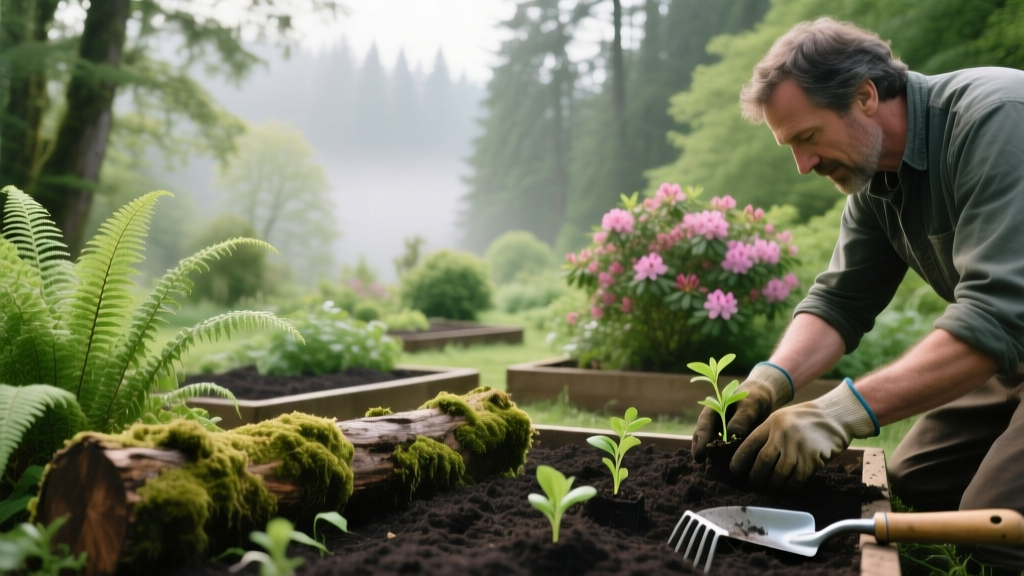
Pacific Northwest Gardening: Climate-Specific Planting Guide
James MillerPublished
Introduction to Pacific Northwest Gardening
The Pacific Northwest (PNW) is globally renowned for its lush, evergreen landscapes, towering conifers, and vibrant temperate rainforests. However, gardening in this beautiful region presents a highly unique set of challenges and rewards that differ vastly from the rest of the country. From the coastal fog belts of Oregon to the rain-shadowed valleys of Washington and the inland microclimates of Idaho, PNW gardeners must navigate heavy clay soils, naturally acidic pH levels, and a distinct Mediterranean-like precipitation pattern. This means dealing with waterlogged, cool springs followed by surprisingly dry, hot summers. Whether you are cultivating a sprawling backyard vegetable patch, establishing a perennial flower border, or managing a modest urban balcony garden, understanding these regional nuances is the absolute key to a bountiful harvest. According to the Oregon State University Extension Service, long-term success in this region relies heavily on microclimate adaptation, precise seasonal timing, and proactive soil management.
Understanding the Pacific Northwest Climate and Microclimates
While the USDA Plant Hardiness Zone Map categorizes much of the populated PNW in Zones 7 through 9, experienced local gardeners know that these broad strokes do not tell the whole story. The USDA map is based primarily on minimum winter temperatures, but it fails to account for the region's summer drought patterns, marine influences, and elevation changes. Instead, many regional experts rely on the Sunset Climate Zones, which factor in growing season length, rainfall distribution, and summer humidity. In the PNW, the most defining climatic feature is the extreme precipitation disparity: we receive the vast majority of our annual rainfall between October and May, leaving July through September bone-dry. This creates a scenario where spring planting is often delayed by cold, wet soil, while summer crops require intensive irrigation management to survive the arid stretch.
Soil Preparation: Conquering Clay and Acidity
Native PNW soils are notoriously acidic, often hovering between a pH of 5.0 and 6.0 due to the leaching effects of heavy winter rains and the continuous decomposition of coniferous needles. Furthermore, many residential areas sit on heavy, compacted glacial till or marine clay, which drains poorly and suffocates plant roots. Before planting, it is imperative to test your soil. If your pH is below 6.2 for vegetable production, you will need to amend it to unlock nutrient availability.
- Dolomitic Lime: Apply 5 to 10 pounds per 100 square feet in the fall to raise pH and add essential calcium and magnesium. It takes months for lime to break down, so fall application is crucial for spring planting.
- Organic Compost: Incorporate 2 to 3 inches of high-quality, OMRI-listed compost to improve drainage in clay soils and water retention in sandy loams. Avoid excessive tilling, which can destroy soil structure and harm beneficial mycorrhizal fungi.
- Cover Crops: Sow crimson clover or winter peas in September to fix nitrogen, suppress weeds, and prevent winter topsoil erosion.
The Raised Bed Advantage in Wet Springs
Because spring soils remain cold and waterlogged well into April, direct sowing seeds in the ground often leads to seed rot and stunted root development. Constructing raised beds is the single most effective strategy for PNW vegetable gardeners. A standard 4-foot by 8-foot cedar or composite raised bed, elevated at least 12 inches, allows soil to drain freely and warm up weeks earlier than ground soil. For those dealing with local gopher or mole populations, staple heavy-duty galvanized hardware cloth to the bottom of the bed before filling it. Fill your beds with a premium, well-draining mix: 50% high-quality topsoil, 30% organic compost, and 20% coarse horticultural pumice or perlite for aeration. This ensures that even during the heaviest spring downpours, your plant roots will have access to vital oxygen.
Seasonal Planting Calendar for the PNW
Timing is everything in the Pacific Northwest. Planting too early in the wet spring invites disease, while planting too late in the summer risks heat stress. Use the following table as a baseline for the maritime PNW climate (adjust by 2-3 weeks for inland or higher elevation zones).
| Crop | Spring Sowing (Outdoors) | Fall/Winter Sowing | Days to Harvest |
|---|---|---|---|
| Snap Peas | Mid-March to Early April | Late July (for fall harvest) | 60-70 |
| Kale | April to May | Mid-July to August | 55-75 |
| Tomatoes | Late May (Transplants only) | N/A | 70-85 |
| Carrots | April to August | N/A | 70-80 |
| Garlic | N/A | October to November | Harvest following July |
Spring: Embracing the Cool and Wet
Spring in the PNW is a race against the impending summer drought. Focus on cool-season crops that thrive in temperatures between 55°F and 65°F. Leafy greens, brassicas, and root vegetables are your best friends during this window. Utilize floating row covers to protect young seedlings from erratic late-spring frosts and the region's voracious slug population. If the soil is too wet to work, rely entirely on your raised beds or container gardens to get an early start.
Summer: Managing the Mediterranean Drought
By late June, the rains stop entirely. The Washington State University Extension emphasizes that relying on natural rainfall during the summer is a recipe for total crop failure in this region. Installing a drip irrigation system with an automated timer is non-negotiable for heat-loving crops like tomatoes, peppers, and squash. Water deeply and infrequently to encourage deep root growth, and apply a 3-inch layer of arborist wood chips or straw mulch to lock in soil moisture, regulate soil temperature, and suppress aggressive summer weeds.
Fall and Winter: Extending the Harvest
The PNW's mild, maritime winters allow for an impressive second season of gardening. Crops planted in late summer will mature slowly through the fall and can be harvested well into the winter months. Hardy vegetables like parsnips, leeks, Brussels sprouts, and winter kale actually improve in flavor after a light frost, as the cold triggers the plants to convert starches into natural sugars as an antifreeze mechanism.
Best Vegetables and Flowers for the PNW
When selecting varieties, prioritize those with shorter days to maturity to ensure they ripen during our relatively short, cool summer window. For tomatoes, choose determinate or early-maturing indeterminate varieties like Early Girl, Stupice, or Oregon Spring, which are specifically bred to set fruit in cooler temperatures. Flowers that excel in this climate include sweet peas, dahlias, rhododendrons, and hardy fuchsias. Companion planting is also highly effective here; plant nasturtiums near your brassicas to act as a trap crop for aphids, and interplant marigolds to deter soil-dwelling nematodes and attract vital pollinators during the overcast spring months.
Pest and Disease Management in Damp Climates
The damp spring conditions are a natural breeding ground for fungal diseases and mollusks. Powdery mildew and late blight can devastate tomato and squash crops if humidity remains trapped in the foliage. Ensure adequate spacing between plants to promote airflow, prune the lower leaves of your tomato plants to prevent soil splash-back, and always water at the base of the plant using drip lines rather than overhead sprinklers.
Slugs and snails are the undisputed apex predators of the PNW garden, capable of decimating a tray of seedlings overnight. Avoid traditional metaldehyde baits, which are highly toxic to local wildlife, birds, and pets. Instead, use iron phosphate-based baits, which are safe for the environment and break down into natural soil fertilizers. Hand-picking at dusk with a flashlight and dropping them into a bucket of soapy water remains one of the most effective, cost-free control methods available to the home gardener.
Conclusion
Gardening in the Pacific Northwest requires a fundamental shift in perspective compared to other growing regions. By respecting the distinct wet and dry seasons, amending the naturally acidic soil, leveraging raised beds for drainage, and capitalizing on the mild autumns, you can cultivate a vibrant, resilient garden that thrives year-round. Embrace the unique rhythms of the PNW climate, and your garden will reward you with unparalleled beauty and harvests.
