Gardening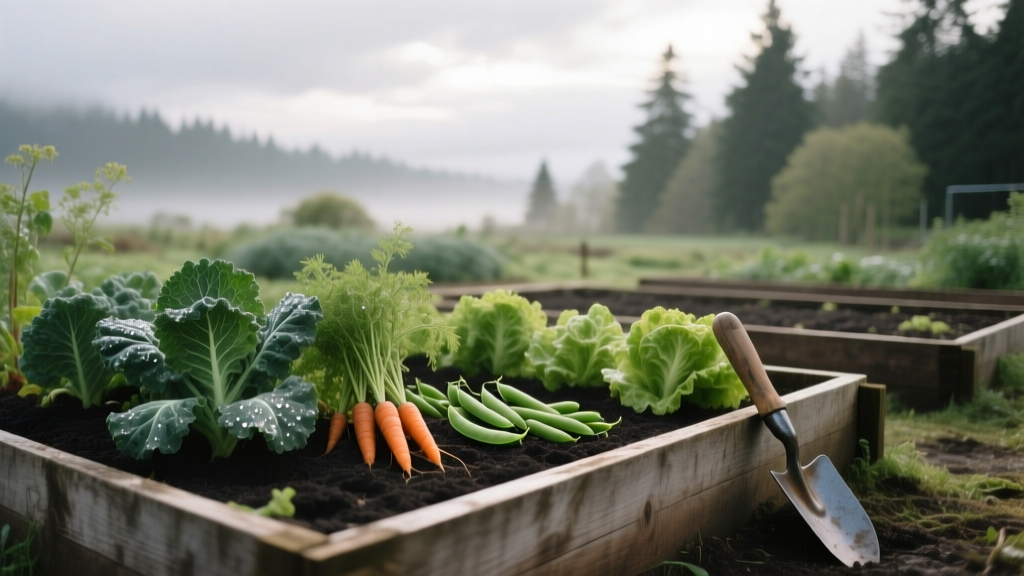
Pacific Northwest Vegetable Gardening: Climate Tips & Crop Guide
Mike RodriguezPublished
Understanding the Pacific Northwest Climate for Gardeners
Gardening in the Pacific Northwest (PNW)—encompassing western Washington, western Oregon, and parts of British Columbia—offers a unique set of challenges and rewards. Unlike the rest of the country, the PNW features a Mediterranean-like climate characterized by cool, exceptionally wet springs and warm, remarkably dry summers. According to the Old Farmer's Almanac Planting Calendar, understanding your local frost dates is critical, but in the PNW, the lingering marine layer and heavy cloud cover often matter just as much as the thermometer.
Most of the coastal and valley regions fall into USDA Hardiness Zones 7 through 9. However, the true limiting factor for PNW gardeners is not winter cold, but rather the short, cool summer season and the lack of accumulated heat units (growing degree days). Warm-season crops like tomatoes, peppers, and eggplants often struggle to ripen before the autumn rains return in October. Therefore, regional gardening requires a strategic approach focused on microclimates, soil drainage, and meticulous crop selection.
Soil Preparation: Conquering Heavy Clay and Wet Springs
The native soil in much of the Pacific Northwest is heavily influenced by glacial till and historical flooding, resulting in dense, poorly draining clay. When combined with the relentless spring downpours, this clay becomes waterlogged, suffocating plant roots and delaying planting schedules by weeks. The USDA Natural Resources Conservation Service emphasizes that improving soil structure through organic matter is the most effective way to combat compaction and enhance drainage.
To bypass the nightmare of spring mud, serious PNW gardeners rely heavily on raised bed construction. Building raised beds that are at least 18 to 24 inches tall allows the soil to warm up and drain much faster than the native ground. Fill your beds with a mix of 60% high-quality topsoil, 30% compost, and 10% pumice or perlite to ensure aeration.
Additionally, utilizing winter cover crops is a regional staple. Sowing crimson clover or winter rye in October protects the soil from heavy rain erosion. By April, you can chop and drop the cover crop, allowing it to decompose and feed the soil food web just in time for summer planting.
Best Vegetables for the Pacific Northwest
Cool-season crops are the undisputed kings of the PNW garden. Brassicas, root vegetables, and leafy greens thrive in the mild, damp conditions of May and June. However, you can still grow summer favorites if you select varieties bred for short seasons and lower heat requirements. The Oregon State University Extension Service regularly publishes trials on vegetable varieties that perform best in our specific maritime microclimates.
Below is a strategic planting guide tailored for the maritime Pacific Northwest:
| Crop | Recommended PNW Variety | Direct Sow / Transplant | Timing (Western OR/WA) | Days to Maturity |
|---|---|---|---|---|
| Tomatoes | Early Girl, Stupice, Sungold | Transplant | Late May - Early June | 55 - 65 Days |
| Bush Beans | Provider, Contender | Direct Sow | Mid May - Late June | 50 - 55 Days |
| Kale | Winterbor, Red Russian | Direct / Transplant | March & August | 30 - 60 Days |
| Carrots | Nantes, Mokum | Direct Sow | April - July | 60 - 70 Days |
| Zucchini | Cascia, Dunja | Direct / Transplant | Late May - June | 45 - 55 Days |
| Garlic | Chesnok Red, Spanish Roja | Cloves (Direct) | October - November | 240 Days |
Season Extension Techniques for Short Summers
Because the PNW summer is relatively brief and nighttime temperatures can dip into the 50s even in July, season extension is not just a luxury—it is a necessity for heat-loving crops. Utilizing microclimates against south-facing walls can provide an extra 5 to 10 degrees of ambient heat.
For tomatoes and peppers, employ Wall-O-Water plant protectors or heavy-duty polytunnel covers during the first four weeks after transplanting. These tools trap solar radiation and keep the immediate air temperature around the plant significantly warmer than the surrounding garden. Once the summer solstice passes and nighttime temperatures consistently stay above 60°F, you can remove the covers to allow for proper pollination and airflow.
Water Management During Dry PNW Summers
A common misconception about the Pacific Northwest is that it rains all year. In reality, the region experiences a pronounced summer drought. From mid-July through September, rainfall is virtually nonexistent. Relying on hand-watering is inefficient and promotes fungal diseases if foliage is wetted in the evening.
Installing a drip irrigation system with a digital timer is the most critical infrastructure investment a PNW gardener can make. Run your drip lines early in the morning to minimize evaporation. Furthermore, apply a thick 3-inch layer of straw or shredded leaf mulch over your garden beds in late June. This mulch acts as an insulator, keeping the root zones cool during the occasional 90°F heatwave and drastically reducing your water consumption.
Pest and Disease Management in a Damp Climate
The wet springs of the PNW create a paradise for slugs and snails, which can decimate young seedlings overnight. Avoid traditional metaldehyde baits, which are toxic to local wildlife and pets. Instead, use iron phosphate-based slug baits and set up physical barriers like copper tape around the legs of your raised beds.
Fungal diseases, particularly powdery mildew on squash and late blight on tomatoes, are exacerbated by the heavy morning dew and coastal fog. To combat this, practice aggressive pruning on the bottom 12 inches of tomato foliage to improve airflow and prevent soil-borne spores from splashing onto the leaves. If blight is a known issue in your neighborhood, preemptive applications of organic copper fungicide can save your harvest.
Conclusion
Gardening in the Pacific Northwest requires a departure from traditional, generic gardening advice. By respecting the heavy spring soils, preparing for the abrupt summer drought, and choosing varieties tailored to our cool-summer climate, you can cultivate a highly productive and resilient garden. Embrace the unique rhythms of the region, and your harvest will reflect the lush, green beauty of the PNW.
