Gardening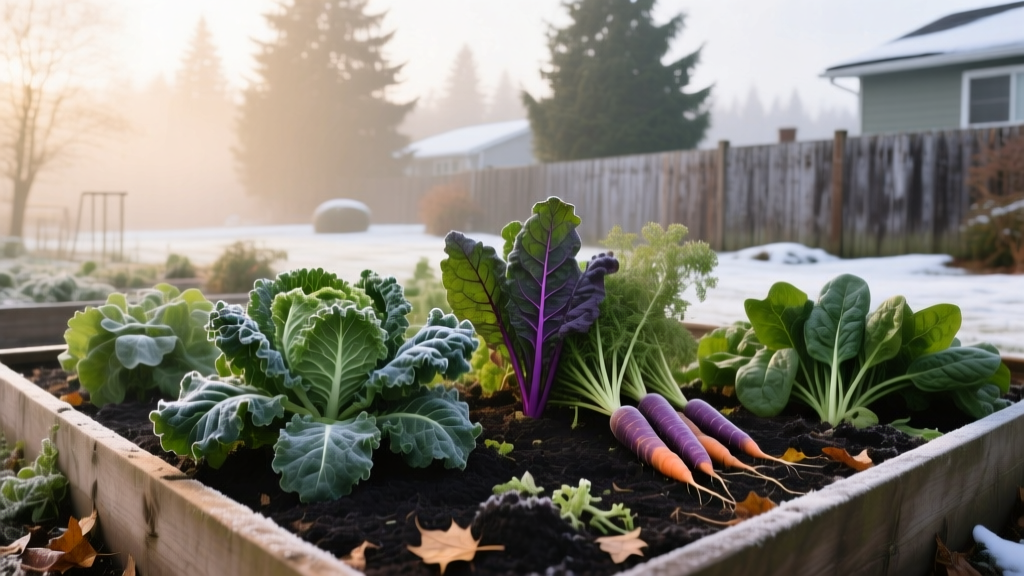
Year-Round Vegetable Gardening in the Pacific Northwest
Emily WatsonPublished
The Pacific Northwest Climate Advantage: Zones 8 and 9
The Pacific Northwest (PNW) is renowned for its lush, evergreen landscapes, but its unique maritime climate presents both incredible opportunities and distinct challenges for vegetable gardeners. Unlike regions with harsh, freezing winters or sweltering summers, the coastal and lowland areas of Washington and Oregon—primarily falling into USDA Hardiness Zones 8a through 9b—offer a mild, temperate environment that allows for year-round harvesting. This phenomenon is often referred to by local growers as the 'perpetual spring.' However, the heavy clay soils, relentless winter moisture, and specific pest pressures require a highly tailored, regional approach to gardening. This comprehensive guide will walk you through the exact strategies, soil amendments, and crop selections needed to master Pacific Northwest winter vegetable gardening.
According to the Oregon State University Extension Service, the key to PNW winter gardening is not necessarily keeping plants warm, but rather keeping them dry and ensuring they are fully mature before the daylight hours drop below 10 hours a day in late November. Once the sun angle lowers, plant growth slows to a near halt, meaning your winter garden is essentially a living root cellar that you harvest from gradually until the 'Second Spring' arrives in late February.
Overcoming Heavy Clay: Soil and Drainage Strategies
The soils of the Puget Sound and Willamette Valley are largely composed of glacial till and heavy clay. While these soils are rich in minerals, they retain water like a sponge during the wet PNW winters, leading to root rot, fungal diseases, and drowned crops. Experts at Washington State University Extension emphasize that soil drainage is the single most critical factor for winter crop survival in the maritime PNW.
Building Raised Beds for Maximum Drainage
To combat waterlogged soil, growing in raised beds is virtually mandatory for serious winter production. Construct your beds using rot-resistant cedar or composite lumber. For winter crops, the beds should be a minimum of 18 to 24 inches tall. This height not only elevates the root zone above the saturated native soil but also warms up faster in the early spring. The cost of cedar lumber varies, but expect to spend around $15 to $25 per 8-foot board. A standard 4x8 foot bed that is 18 inches tall will require approximately 1.5 cubic yards of soil.
The Ultimate PNW Winter Soil Mix
Standard potting mixes will break down and compact over the wet winter months. Instead, create a custom, highly aerated soil blend:
- 40% Screened Topsoil: Provides the mineral base and structural integrity.
- 30% Organic Compost: Locally sourced options like Cedar Grove ($35 per cubic yard) provide slow-release nutrients and beneficial microbes.
- 20% Coarse Pumice or Perlite: Pumice is highly preferred in the PNW as it does not float to the surface like perlite. It costs roughly $55 per cubic yard but is essential for permanent aeration.
- 10% Worm Castings: Adds a gentle, immediate nutrient boost and improves soil structure.
Top Cold-Hardy Crops for PNW Overwintering
Selecting the right varieties is crucial. You must choose crops bred for cold tolerance and low-light conditions rather than sheer summer vigor.
Brassicas
Brassicas are the backbone of the PNW winter garden. 'Purple Sprouting' broccoli is a regional favorite; it overwinters as a vegetative plant and produces an abundance of tender, sweet florets in March and April. 'Lacinato' (Dinosaur) kale and 'Red Russian' kale become significantly sweeter after the first few hard frosts, as the plants convert starches into sugars to act as a natural antifreeze.
Root Vegetables and Alliums
Root crops act as natural storage vessels underground. 'Shiraz' beets and 'Bolero' carrots can be left in the soil and harvested as needed throughout the winter. For alliums, plant 'Tadorna' leeks and 'Elephant' garlic in the fall. The heavy rains of November and December will help establish their root systems before the ground chills.
Leafy Greens
For continuous winter salads, rely on 'Winter Density' lettuce, 'Bloomsdale' spinach, and Mache (Corn Salad). Mache is incredibly cold-hardy and will thrive even under a light layer of snow or frost, providing tender, nutty greens in the dead of January.
PNW Fall and Winter Planting Calendar
Timing is everything. If you plant too late, the crops will not reach maturity before the winter solstice. If you plant too early, they may bolt or succumb to late-summer heat stress. Urban gardeners often look to the Seattle P-Patch Community Gardening Program for localized advice on managing communal raised beds and shared planting schedules.
| Crop | Variety Recommendation | Sowing Date (Indoors/Out) | Transplant Date | Harvest Window |
|---|---|---|---|---|
| Purple Sprouting Broccoli | Santee / Purple Sprouting | Mid-June (Indoors) | Mid-July | March - May |
| Kale | Lacinato / Winterbor | Mid-July (Outdoors) | Mid-August | October - March |
| Leeks | Tadorna / Bleu de Solaize | April (Indoors) | June | November - February |
| Carrots | Bolero / Napoli | Early August (Direct Sow) | N/A | November - February |
| Mache (Corn Salad) | Vit / Holland | September (Direct Sow) | N/A | December - March |
Season Extension and Moisture Management
While the PNW rarely experiences the sub-zero temperatures of the Midwest, the combination of 35°F temperatures and relentless horizontal rain can decimate tender greens. The goal of season extension in this region is moisture control, not just heat retention.
Low Tunnels and Hoop Houses
Construct low tunnels over your raised beds using 1/2-inch PVC pipe bent over rebar stakes. Cover the tunnels with Agribon AG-19 floating row cover. This specific weight allows 85% light transmission and provides 4 to 6 degrees of frost protection while shedding heavy rain. A 250-foot roll of Agribon AG-19 costs approximately $65 and will last multiple seasons if stored properly. Ensure the ends of the tunnel are left open or vented on sunny days to prevent the buildup of humidity, which leads to powdery mildew and botrytis.
Pest and Disease Management in a Damp Climate
The wet PNW climate is a haven for specific pests and fungal pathogens that thrive in high humidity.
The Slug Menace
The European brown garden slug (Arion rufus) is the undisputed nemesis of the Pacific Northwest gardener. They will devour seedlings overnight. Avoid traditional metaldehyde baits, which are highly toxic to local wildlife and pets. Instead, use Sluggo or any bait where the active ingredient is Iron Phosphate. It is OMRI-listed, safe for pets, and breaks down into a natural soil fertilizer. Apply at a rate of 1 teaspoon per square yard, reapplying every two weeks during the peak rainy months of October and November. Expect to spend around $15 per pound.
Cabbage Root Maggots
These flies lay eggs at the base of brassicas in the cool, damp soil of early spring and late fall. The resulting maggots tunnel into the roots, killing the plant. Prevention is the only cure. Use brassica collars made from heavy roofing felt or cardboard placed around the stem at soil level to physically block the flies from laying eggs.
Companion Planting for Airflow and Health
In a damp climate, airflow is your best defense against fungal diseases. Avoid the temptation to overcrowd your winter beds. While summer gardens benefit from intensive, dense planting to shade out weeds, winter gardens require spacing to allow the weak winter sun and drying winds to penetrate the canopy.
Plant pungent alliums like garlic and overwintering onions interspersed among your brassicas. The strong scent of the alliums helps mask the volatile compounds released by the cabbage family, confusing the cabbage root maggot flies and aphids. Additionally, under-sowing your taller crops like kale and broccoli with a living mulch of crimson clover will prevent winter soil erosion, suppress weeds, and fix nitrogen for the following spring's heavy feeders.
The 'Second Spring' Phenomenon: Do not pull your overwintered crops in January when they look stagnant. In the Pacific Northwest, late February and early March bring a rapid increase in daylight and soil temperature. Plants that appeared dormant all winter will suddenly explode with vigorous new growth, providing a massive harvest of sprouting broccoli, kale raabs, and sweet leeks long before spring-planted crops have even been sown.
Conclusion
Year-round vegetable gardening in the Pacific Northwest is a deeply rewarding endeavor that requires shifting your mindset from summer abundance to winter resilience. By investing in tall, well-draining raised beds, selecting the proper cold-hardy varieties, and utilizing low tunnels to manage the relentless moisture, you can transform your backyard into a productive, living pantry that sustains you through the darkest, wettest months of the year. Embrace the perpetual spring, and enjoy the unmatched flavor of vegetables sweetened by the coastal frost.
