Landscaping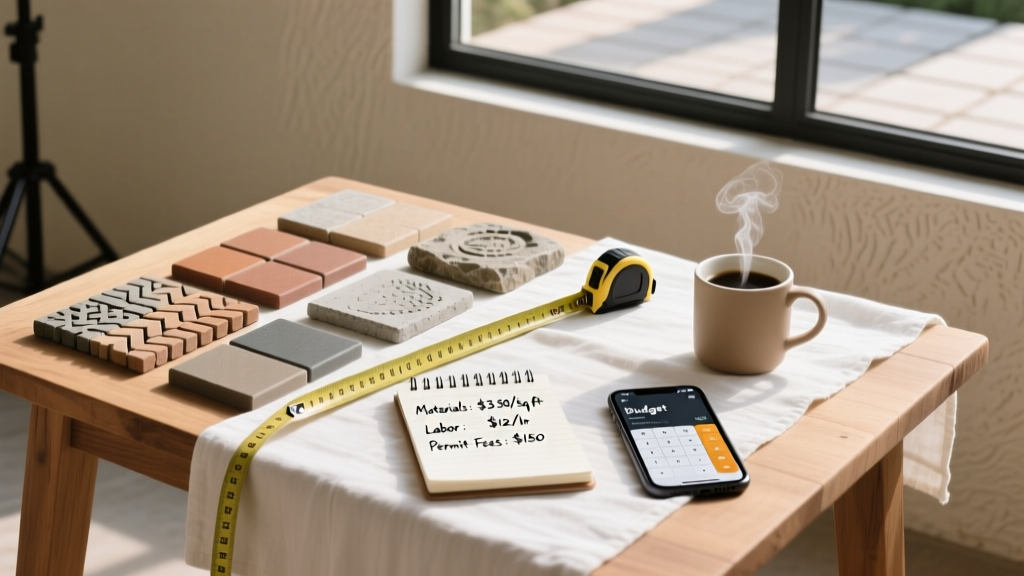
Paver Patio Cost Guide: Budgeting Materials and Labor
James MillerPublished
The True Cost of Installing a Paver Patio
Adding a paver patio is one of the most effective ways to elevate your outdoor living space, boost curb appeal, and increase your property value. However, without a clear understanding of hardscaping costs, homeowners can easily find their budgets spiraling out of control. On average, installing a paver patio costs between $8 and $20 per square foot. For a standard 300-square-foot patio, you can expect to pay anywhere from $2,400 to $6,000. But what exactly drives these numbers? This comprehensive cost and budgeting guide breaks down material prices, labor rates, site preparation requirements, and the hidden fees that often catch DIYers and first-time landscapers off guard.
Material Costs: Concrete, Brick, and Natural Stone
The surface material you choose will be the most visible part of your project and a major driver of your overall budget. Pavers generally fall into three categories, each with distinct price points, durability profiles, and aesthetic qualities.
Concrete Pavers
Concrete pavers are the most popular choice for residential patios due to their versatility, durability, and affordability. Manufactured in a wide array of shapes, colors, and textures, they can mimic the look of natural stone at a fraction of the cost. Budget for $2 to $5 per square foot for the materials alone. Premium concrete pavers with specialized finishes or permeable designs may push this cost closer to $7 per square foot.
Clay Brick Pavers
Clay bricks offer a timeless, traditional aesthetic that ages beautifully and resists fading from UV exposure. Unlike concrete, the color runs all the way through the brick. Expect to pay $4 to $8 per square foot. Keep in mind that bricks are typically smaller, which can slightly increase labor time and the amount of jointing sand required.
Natural Stone Pavers
For a high-end, luxurious finish, natural stone options like bluestone, travertine, slate, or flagstone are unmatched. However, this premium look comes with a premium price tag. Natural stone pavers typically cost between $7 and $15 per square foot, with rare or custom-cut stones exceeding $20 per square foot. Stone also requires more skill to install due to varying thicknesses, which will increase your labor costs.
Paver Material Comparison Chart
| Material Type | Cost per Sq. Ft. | Durability | Maintenance Level |
|---|---|---|---|
| Concrete Pavers | $2 - $5 | High (8,000+ PSI) | Low (Weed control, occasional sealing) |
| Clay Brick | $4 - $8 | Very High | Low (Prone to efflorescence initially) |
| Natural Stone | $7 - $15+ | Variable (Depends on stone) | Moderate (May require specific cleaners) |
The Unsung Hero: Base Preparation and Site Work
Many homeowners make the critical mistake of allocating their entire budget to the visible pavers while neglecting the base. A paver patio is only as strong as the foundation beneath it. According to guidelines published by the Penn State Extension and the Interlocking Concrete Pavement Institute (ICPI), a proper base for pedestrian paver patios requires a minimum of 4 to 6 inches of compacted crushed stone over a well-draining subgrade to prevent frost heave, settling, and water pooling.
Excavation and Grading
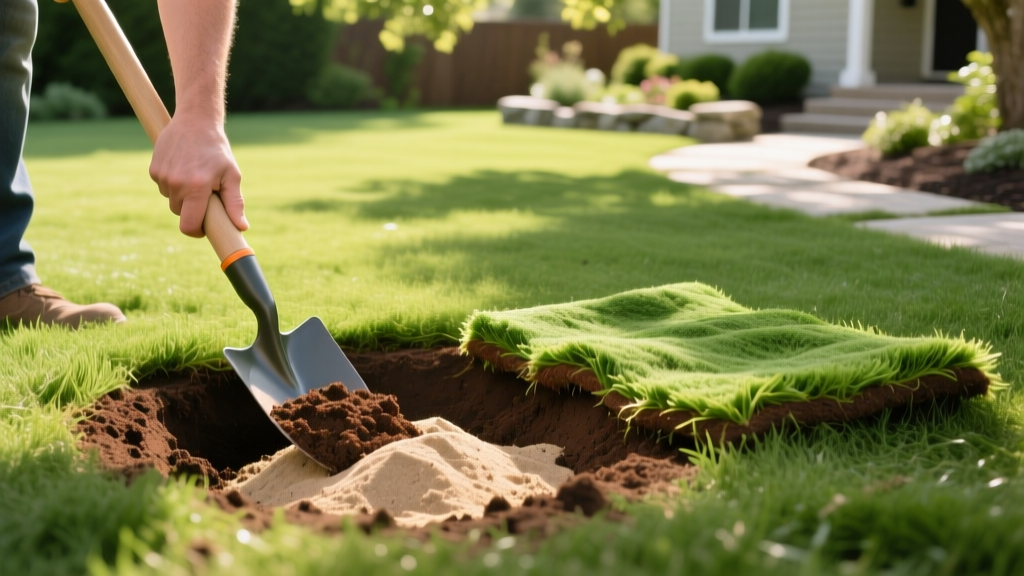
You must excavate the area to a depth of 7 to 9 inches to accommodate the base, sand, and pavers. If you hire a professional, excavation typically costs $50 to $100 per hour for a mini-excavator and operator. For a 300-square-foot area, expect to pay $300 to $600 for digging and soil removal.
Geotextile Fabric and Aggregate Base
To prevent the base stone from sinking into the native soil, a layer of non-woven geotextile fabric is highly recommended ($0.50 to $1.00 per square foot). The primary base material should be 3/4-inch crushed gravel, often referred to as crusher run or #57 stone, which contains stone dust to help it lock together when compacted. Aggregate costs roughly $50 to $80 per ton delivered. A 300-square-foot patio requiring a 6-inch base will need approximately 5 to 6 tons of gravel, adding $250 to $480 to your material budget.
Bedding Sand and Jointing Sand
A 1-inch layer of coarse, sharp concrete sand (never use soft play sand) is screeded over the compacted base to provide a leveling bed. After the pavers are laid, you will need polymeric sand to fill the joints. Polymeric sand hardens when wet, locking the pavers together and preventing weed growth and insect infiltration. Budget $20 to $30 per 50-pound bag of polymeric sand; a 300-square-foot patio typically requires 4 to 6 bags.
Labor Costs and Installation Complexity
Professional hardscape labor generally ranges from $5 to $15 per square foot. The wide variance depends on the complexity of your design. A simple square or rectangular patio laid in a basic running bond pattern will sit at the lower end of the spectrum. However, if you opt for intricate patterns like herringbone or basketweave, expect labor costs to increase by 10% to 20% due to the additional cuts and precision required.
Furthermore, integrating curves, steps, retaining walls, or built-in seating walls will drastically increase labor time. Cutting pavers to fit curves requires specialized wet saws and significant manual labor, pushing your installation costs toward the $15 to $20 per square foot mark.
Hidden Fees: Permits, Drainage, and Edge Restraints
When building your budget spreadsheet, ensure you include the following ancillary costs that are often overlooked:
- Edge Restraints: Pavers must be contained to prevent spreading and shifting over time. Heavy-duty plastic or aluminum edge restraints, secured with 10-inch landscape spikes, cost $3 to $5 per linear foot. For a 300-square-foot patio with a 70-foot perimeter, budget around $250.
- Drainage Solutions: If your patio is located in a low-lying area or near your home's foundation, you may need to install a French drain or a channel drain. Trenching and installing a basic drainage system can add $500 to $1,500 to your project.
- Permits and HOA Fees: Many municipalities require a grading or hardscape permit to ensure your project does not negatively impact neighborhood stormwater runoff. Permit fees typically range from $50 to $200. Additionally, check with your Homeowners Association, as some require architectural review fees.
- Paver Sealer: While optional, applying a high-quality paver sealer (like Techniseal or SureBond) enhances the color and protects against stains. Sealer costs $40 to $60 per gallon and covers roughly 150 square feet. Factor in $100 to $150 for materials if you plan to seal the patio yourself.
DIY vs. Professional Installation: A Budget Breakdown
Tackling a paver patio as a DIY project can save you 40% to 50% on labor costs, but it requires significant physical labor, precision, and specialized tools. If you choose the DIY route, you must factor in equipment rentals. A vibratory plate compactor is non-negotiable for properly compacting the base and setting the pavers; expect to pay $80 to $100 per day to rent one. You will also need a masonry wet saw for cutting pavers, which rents for about $75 per day.
Expert Tip: If you are attempting a DIY installation, limit your project size to under 200 square feet for your first attempt. The physical toll of moving tons of gravel and sand by wheelbarrow is often underestimated by weekend warriors, leading to abandoned projects or rushed, improper base compaction.
Your Step-by-Step Patio Budgeting Checklist
Use this checklist to ensure your landscaping budget is comprehensive and realistic before breaking ground:
- Measure the Area: Calculate the exact square footage and linear footage of the perimeter.
- Select Your Paver: Get quotes from local masonry suppliers for your chosen surface material.
- Calculate Base Materials: Use an online gravel calculator to determine the tonnage needed for a 6-inch compacted base.
- Account for Waste: Add 10% to your paver order and 5% to your base materials to account for cuts, breakage, and compaction shrinkage.
- Factor in Consumables: Budget for geotextile fabric, bedding sand, polymeric sand, and edge restraints.
- Get Labor Quotes: Obtain at least three detailed quotes from licensed and insured hardscape contractors.
- Check Local Regulations: Call your local building department to verify permit requirements and utility line markings (always call 811 before digging).
Final Thoughts on Hardscape Budgeting
A well-planned paver patio is a long-term investment in your home's outdoor functionality and aesthetic appeal. By understanding the true costs of materials, respecting the vital importance of base preparation, and accounting for the hidden fees of drainage and edge restraints, you can create a realistic budget that prevents costly mid-project surprises. Whether you choose to hire a certified landscape professional or roll up your sleeves for a DIY build, proper financial planning ensures your new outdoor oasis is built on a solid foundation.