Gardening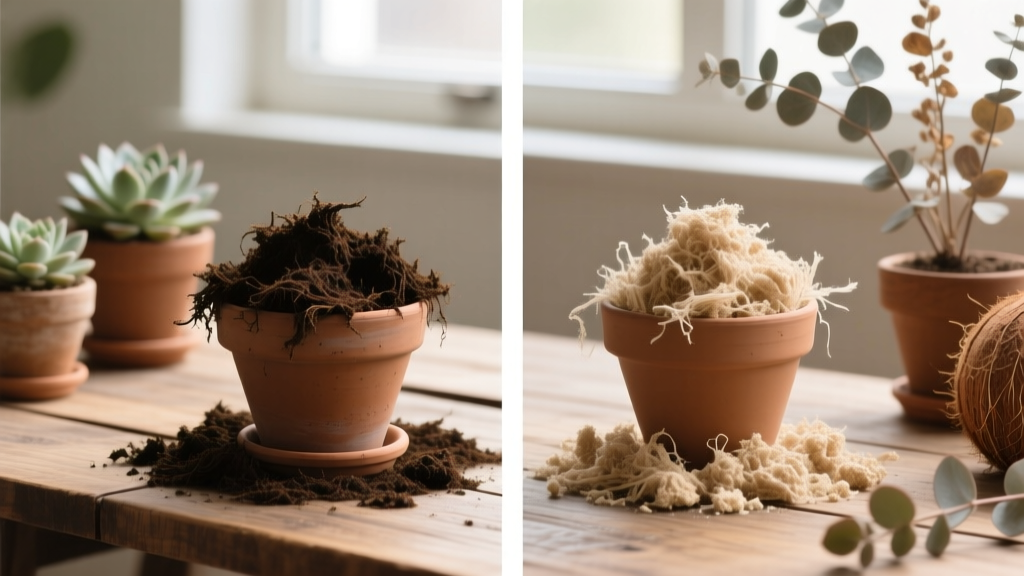
Peat Moss vs Coconut Coir: Best Soil Amendment Guide
Sarah ChenPublished
The Ultimate Soil Amendment Showdown: Peat Moss vs. Coconut Coir
When building raised beds, filling container gardens, or starting seeds indoors, the foundation of your success lies beneath the surface. For decades, sphagnum peat moss has been the undisputed champion of soil amendments. However, in recent years, coconut coir has surged in popularity, challenging peat moss for the top spot in gardeners' tool sheds. But which one is truly better for your vegetables, flowers, and the environment?
In this comprehensive guide, we will break down the science, sustainability, and practical applications of peat moss versus coconut coir. Whether you are amending heavy clay soil or crafting the perfect potting mix, understanding the distinct properties of these two organic materials will help you make an informed, cost-effective decision for your garden.
What is Peat Moss?
Peat moss is a fibrous, dead organic material that forms in peat bogs over thousands of years. It is primarily composed of decomposed sphagnum moss. Because it forms in anaerobic (oxygen-poor) conditions, the decomposition process is incredibly slow, locking away carbon and creating a highly acidic, sterile environment.
Gardeners have long favored peat moss for its exceptional ability to retain moisture and nutrients, preventing them from leaching out of the soil during heavy rains. It is a staple in commercial potting mixes and seed-starting blends due to its fine texture and low weed-seed count. However, its slow formation rate has sparked intense debate regarding its ecological footprint.
What is Coconut Coir?
Coconut coir (often simply called coir) is a byproduct of the coconut harvesting industry. It is made from the fibrous husks that surround the coconut shell. Historically considered a waste product, these husks are now processed, washed, and compressed into blocks or sold loose as a premium soil amendment.
Coir comes in three main forms: coir pith (or peat), which looks like dark soil; coir fiber, which provides aeration; and coir chips, which act like bark nuggets to improve drainage. It is highly valued for its renewable nature and its ability to transition seamlessly from wet to dry conditions without compacting.
Head-to-Head Comparison Chart
To understand how these two amendments stack up against each other, review the quick-reference table below:
| Feature | Sphagnum Peat Moss | Coconut Coir |
|---|---|---|
| pH Level | 3.5 - 4.5 (Highly Acidic) | 5.5 - 6.5 (Near Neutral) |
| Water Retention | Holds 10-20x its dry weight | Holds 8-9x its dry weight |
| Rewetting Ability | Poor (Becomes hydrophobic when dry) | Excellent (Absorbs water instantly) |
| Sustainability | Low (Takes centuries to regenerate) | High (Renewable agricultural byproduct) |
| Nutrient Content | Low (High Cation Exchange Capacity) | Low (High Potassium, sometimes high salts) |
| Decomposition Rate | Slow (Lasts years in soil) | Moderate (Breaks down faster than peat) |
Moisture Retention and Hydrophobia
Both amendments are spectacular at holding water, but they behave differently when they dry out. Peat moss can hold up to 20 times its dry weight in water. However, if peat moss is allowed to dry out completely, it becomes hydrophobic—meaning it repels water. Gardeners often experience water running straight down the sides of a dry peat-based pot, bypassing the root zone entirely. Rehydrating dry peat moss requires slow, repeated watering or bottom-soaking.
Coconut coir, on the other hand, holds slightly less water by weight but boasts superior rewetting capabilities. Even when bone dry, coir will absorb moisture almost instantly upon contact. This makes coir an incredibly forgiving medium for container gardening and raised beds in hot, arid climates where daily watering might be missed.
pH Levels and Nutrient Profiles
One of the most significant differences between the two is their natural pH. Peat moss is highly acidic, typically ranging from 3.5 to 4.5. While this is ideal for acid-loving plants like blueberries, azaleas, and rhododendrons, it requires the addition of garden lime (calcium carbonate) to raise the pH to a neutral level suitable for most vegetable gardens.
Coconut coir has a near-neutral pH of 5.5 to 6.5, making it ready to use straight out of the bag for the vast majority of flowers and vegetables without the need for pH-altering additives. However, gardeners must be cautious of the salt content in coir. Because coconuts are often grown near coastlines and processed with salt water, low-quality coir can contain high levels of sodium and potassium. Always purchase buffered or thoroughly washed coir to prevent salt toxicity in sensitive plants.
Neither peat moss nor coir provides significant macronutrients (Nitrogen, Phosphorus, Potassium). According to soil management guidelines from the United States Department of Agriculture (USDA), organic amendments like these are primarily used to improve soil structure, aeration, and moisture retention rather than to act as fertilizers. You will still need to amend your soil with compost or organic fertilizers to feed your plants.
Environmental Impact and Sustainability
The environmental debate is where coconut coir truly outshines peat moss. Peat bogs are vital global carbon sinks. Harvesting peat moss involves draining bogs and stripping the top layers, which releases centuries of stored carbon dioxide into the atmosphere. Because it takes thousands of years for peat bogs to regenerate, many environmental organizations and horticultural institutions are pushing for a transition away from peat. The Royal Horticultural Society (RHS) actively advocates for peat-free gardening, noting that sustainable alternatives like coir, composted bark, and wood fiber can deliver excellent results without destroying fragile bog ecosystems.
Coconut coir is a renewable resource. Coconuts are harvested year-round, and the husks are a continuous byproduct of the food industry. However, coir is not without its own environmental caveats. Most coir is produced in India and Sri Lanka, meaning the carbon footprint associated with shipping heavy, compressed blocks across the globe is a factor to consider. Despite the transportation emissions, the preservation of carbon-sequestering peat bogs generally makes coir the more eco-friendly choice.
Cost, Availability, and Preparation
In North America and Europe, peat moss is widely available and relatively inexpensive when purchased in large, compressed bales from local garden centers. It is ready to use immediately, though it should be moistened before mixing into garden beds to prevent dust and hydrophobia.
Coconut coir is most commonly sold in compressed bricks weighing anywhere from 11 to 22 pounds. While the upfront cost per cubic foot can be higher than peat moss, the shipping footprint is lower, and it is incredibly easy to store. To prepare a coir brick, you simply place it in a wheelbarrow or large bucket, add several gallons of warm water, and let it expand. Within 20 minutes, a single brick can yield up to 2.5 cubic feet of fluffy, ready-to-use coir pith.
Practical Applications: Which Should You Choose?
Choosing between peat moss and coconut coir ultimately depends on your specific gardening goals, budget, and local climate.
When to Choose Peat Moss
- Acid-Loving Plants: If you are cultivating a dedicated bed for blueberries, cranberries, or azaleas, the natural acidity of peat moss is highly beneficial.
- Long-Term Soil Structure: Because peat decomposes much slower than coir, a single application in a heavy clay garden bed can improve soil tilth for several years.
- Bulk Budgeting: If you are filling dozens of large raised beds and have access to cheap, locally sourced bales, peat moss remains the most economical option by volume.
When to Choose Coconut Coir
- Container Gardening and Hanging Baskets: Coir's ability to rewet instantly makes it vastly superior for pots that dry out rapidly in the summer sun.
- Seed Starting: Coir provides a sterile, well-aerated, and neutral-pH environment that encourages rapid root development without the risk of damping-off disease or pH shock.
- Sustainable Raised Bed Mixes: When creating a modified Mel's Mix for square-foot gardening, substituting peat with coir ensures your garden remains eco-friendly while providing excellent drainage and moisture retention.
- Hydroponics and Soilless Cultures: Coir's structural integrity and air-to-water ratio make it a premier medium for hydroponic vegetable production.
Integrating Amendments into Your Garden Ecosystem
Whether you choose peat or coir, it is crucial to remember that these materials are soil conditioners, not standalone soils. The USDA emphasizes the importance of combining organic amendments with high-quality compost to build a living soil food web. Compost provides the essential microbial life and slow-release nutrients that neither peat nor coir can supply on their own.
For a standard raised vegetable bed, consider a mix of 60% high-quality topsoil, 20% compost, and 20% coconut coir or peat moss. This ratio ensures adequate mineral content, biological activity, and the perfect moisture-retaining structure for robust root growth. If using peat moss, remember to add a cup of garden lime per cubic foot of mix to neutralize the acidity.
Final Verdict
While peat moss remains a reliable, cost-effective workhorse for large-scale soil amendment and acidifying garden beds, coconut coir has rightfully earned its place as the premier choice for the modern, eco-conscious gardener. Coir's neutral pH, superior rewetting ability, and renewable lifecycle make it an incredibly versatile tool for everything from seed starting to container gardening. By understanding the unique strengths of both materials, you can tailor your soil-building strategy to cultivate a thriving, resilient, and highly productive garden season after season.
