Gardening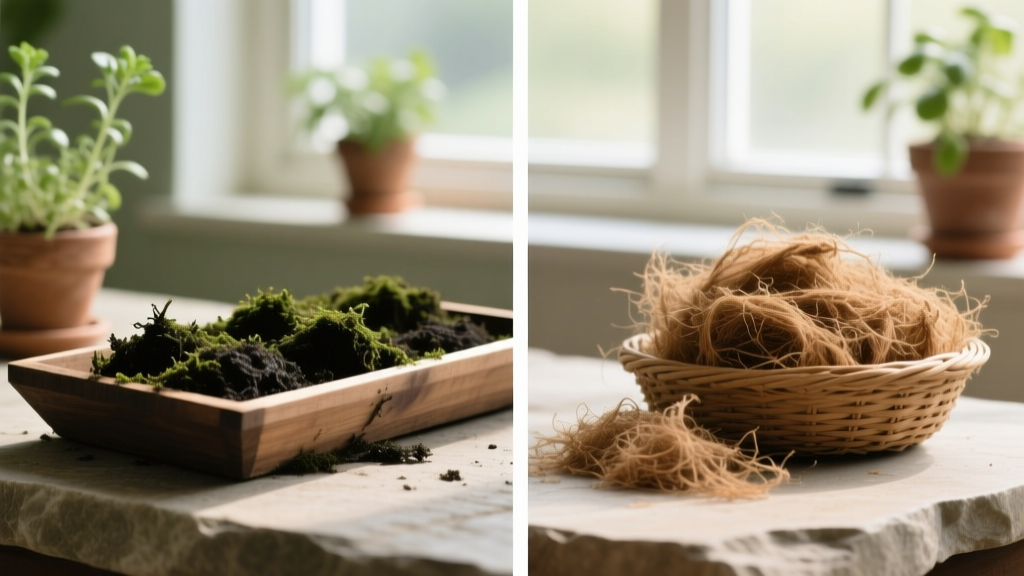
Peat Moss vs Coconut Coir: Best Soil Amendment Guide
Lisa ThompsonPublished
The Foundation of a Thriving Garden: Choosing the Right Soil Amendment
Every experienced gardener knows that the secret to a bountiful harvest and vibrant flower beds lies beneath the surface. Soil preparation is the most critical step in any gardening project, and selecting the right organic amendment can make or break your season. For decades, sphagnum peat moss has been the undisputed king of soil conditioners. However, in recent years, coconut coir has emerged as a formidable challenger, praised for its sustainability and unique physical properties. But which one is actually better for your specific gardening needs?
In this comprehensive Product A vs. Product B comparison, we will pit sphagnum peat moss against coconut coir. We will break down their water retention capabilities, pH levels, nutrient profiles, environmental impacts, and overall cost-effectiveness. By the end of this guide, you will know exactly which amendment to add to your raised beds, containers, and in-ground garden plots.
Product A: Sphagnum Peat Moss
Sphagnum peat moss is the partially decomposed remains of sphagnum moss and other organic materials that accumulate in waterlogged, acidic environments known as peat bogs. Harvested primarily from the vast bogs of Canada, Northern Europe, and Russia, peat moss has been a staple in horticulture since the 1940s. It is highly valued for its exceptional ability to loosen heavy clay soils, improve aeration, and retain moisture. Because it decomposes very slowly, a single application can benefit your soil structure for several years. However, its highly acidic nature and the environmental concerns surrounding bog harvesting have led many modern gardeners to seek alternatives.
Product B: Coconut Coir
Coconut coir, often referred to as coco peat, is a byproduct of the coconut industry. It is made from the fibrous husks of coconuts, which are soaked, shredded, and compressed into blocks or sold loose. Historically considered agricultural waste, coir was repurposed as a growing medium in the late 20th century. It is celebrated for its excellent drainage, rapid rewetting capabilities, and near-neutral pH. As a renewable resource that utilizes a waste product, it has become the darling of the eco-conscious gardening community, though it does come with its own unique preparation requirements.
Head-to-Head Comparison Chart
Before diving into the deep-dive analysis, here is a quick-reference data table comparing the core metrics of both soil amendments:
| Feature | Sphagnum Peat Moss | Coconut Coir |
|---|---|---|
| Origin | Decomposed moss from ancient bogs | Fibrous husk of coconuts (agro-waste) |
| pH Level | 3.5 to 4.5 (Highly Acidic) | 5.5 to 6.5 (Near Neutral) |
| Water Retention | Holds 10 to 12 times its dry weight | Holds 8 to 10 times its dry weight |
| Rewetting Ability | Poor (becomes hydrophobic when dry) | Excellent (absorbs water instantly) |
| Average Cost | $15 to $25 per 3.8 cubic foot bale | $20 to $35 per 5 cubic foot block |
| Sustainability | Low (Non-renewable on human timescales) | High (Renewable agricultural byproduct) |
| Lifespan in Soil | 3 to 5 years before breaking down | 2 to 4 years before breaking down |
Deep Dive: Water Retention and Drainage
Both amendments are exceptional at holding water, but they behave very differently when it comes to moisture management. Peat moss can hold up to 12 times its dry weight in water. However, its Achilles heel is its hydrophobic nature once it dries out completely. If a container or raised bed filled with peat-heavy soil dries out, the peat will shrink and pull away from the edges. When you finally water it, the liquid will often run straight down the sides and out the drainage holes without penetrating the core. To fix this, you must slowly rehydrate it or use a wetting agent.
Coconut coir, on the other hand, is a champion of rewetting. Even if a block of coir or a coir-amended pot dries out to the point of being bone-dry, it will absorb water almost instantly upon contact. Furthermore, coir provides a slightly better balance of drainage and aeration. While peat moss can sometimes become waterlogged and compacted in heavy container mixes, coir maintains a spongy, open structure that allows excess water to drain freely while keeping the root zone consistently moist. For container gardening and raised beds where overwatering is a risk, coir often holds the edge.
pH Levels and Nutrient Management
The chemical environment of your soil dictates how well your plants can access nutrients. Sphagnum peat moss is naturally acidic, with a pH ranging from 3.5 to 4.5. While this is fantastic for acid-loving plants like blueberries, azaleas, and rhododendrons, it is detrimental to most vegetable crops. If you use peat moss in your vegetable garden, you must offset the acidity by adding agricultural lime. According to soil management guidelines from the University of Massachusetts Amherst Extension, failing to buffer the pH of peat-based mixes can lead to severe nutrient lockout, particularly for calcium and magnesium.
Coconut coir boasts a much more garden-friendly pH, typically resting between 5.5 and 6.5. This near-neutral profile means you can mix it directly into your vegetable beds or seed-starting trays without worrying about burning delicate roots or locking out essential minerals. However, coir naturally contains high levels of potassium and, depending on how it was processed, can harbor high sodium salts from the ocean air or coastal processing facilities. High-quality coir is washed and buffered with calcium nitrate before sale, but cheaper, uncompressed bricks may require you to flush them thoroughly and add a calcium-magnesium supplement to prevent nutrient competition.
The Environmental Debate
The most significant dividing line between these two products is their environmental footprint. Peat bogs are vital carbon sinks, storing twice as much carbon as all the world's forests combined. Harvesting peat moss requires draining these bogs and scraping off the top layers, a process that releases stored carbon dioxide into the atmosphere and destroys unique wetland ecosystems. Because peat bogs accumulate at a rate of less than a millimeter per year, peat is effectively a non-renewable resource. The push for sustainable gardening has led organizations like the Royal Horticultural Society (RHS) to heavily advocate for peat-free gardening, and several countries are actively legislating bans on the retail sale of peat-based composts.
Coconut coir is widely considered the eco-friendly alternative. Coconuts are harvested continuously for food and water, and the husks are a waste product that would otherwise be burned or sent to landfills. Repurposing this material into a soil amendment has a very low carbon footprint. However, it is not entirely without impact. The processing of coir requires significant amounts of water, and shipping heavy, compressed blocks from tropical regions like India and Sri Lanka to North America and Europe generates transportation emissions. Despite this, the consensus among environmental horticulturists is that coir is vastly more sustainable than peat.
Actionable Advice: How to Prepare and Use Each Amendment
To get the most out of your chosen amendment, proper preparation is non-negotiable. Here is how to handle both products in the garden:
Preparing and Applying Peat Moss
- Pre-Moistening: Never add dry peat moss directly to your garden beds. Place it in a wheelbarrow, add warm water, and mix it thoroughly until it reaches the consistency of a wrung-out sponge.
- Application Rate: For in-ground garden beds, apply a 2-inch to 3-inch layer of pre-moistened peat moss over the soil surface and till it into the top 6 inches of earth.
- pH Buffering: For every 10 square feet of garden bed amended with peat moss, incorporate 1 cup of dolomitic lime to neutralize the acidity and provide essential calcium.
Preparing and Applying Coconut Coir
- Expanding the Block: If you purchase a compressed 5-pound brick, place it in a large tub or wheelbarrow and pour 4 to 5 gallons of warm water over it. Let it sit for 30 minutes, then break it apart with your hands until it is fully expanded.
- Flushing Salts: If you are unsure of the salt content, place the expanded coir in a mesh bag or burlap sack and rinse it with fresh water for several minutes to leach out excess sodium.
- Application Rate: Mix coir into your garden soil at a ratio of 1 part coir to 2 parts native soil. For container mixes, blend 1 part coir, 1 part perlite, and 1 part high-quality compost.
Senior Gardener Tip: When starting seeds indoors, a 50/50 blend of coconut coir and vermiculite provides the perfect balance of moisture retention and delicate aeration, preventing the dreaded 'damping off' disease that often plagues seedlings in heavy peat mixes.
Final Verdict: Which Should You Choose?
The choice between peat moss and coconut coir ultimately depends on your specific gardening goals, your local climate, and your environmental values. If you are cultivating a dedicated acid-loving perennial bed, growing blueberries, or need a long-lasting amendment that will slowly break down over half a decade, sphagnum peat moss remains a highly effective, albeit environmentally taxing, tool.
However, for the vast majority of modern gardeners—especially those growing vegetables, utilizing container gardens, or starting seeds indoors—coconut coir is the superior choice. Its near-neutral pH, effortless rewetting capabilities, and renewable sourcing make it an incredibly versatile and forgiving soil amendment. While it may cost a few dollars more upfront per cubic foot, the benefits to your soil structure, plant health, and the global environment make coconut coir the undisputed winner in the modern garden shed.
