
Landscaping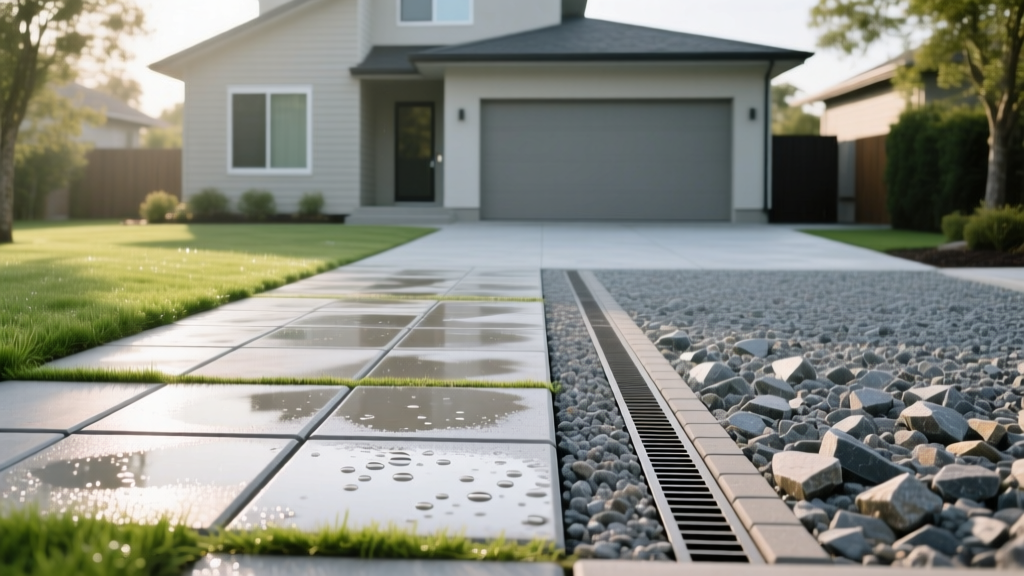
Top Rated Permeable Pavers And Gravel Grids Compared
Anna KowalskiPublished
The Rise of Permeable Hardscaping
Water management is part of modern landscape design. As cities grow and natural soil absorption drops, homeowners often deal with yard flooding, soil erosion, and overloaded municipal storm drains. Traditional concrete slabs and asphalt driveways create large impervious surfaces that force rainwater to pool or run off into streets, picking up pollutants along the way. Permeable hardscaping lets water pass through the surface and soak into the soil below.
According to the U.S. Environmental Protection Agency (EPA), permeable pavements can cut stormwater runoff volume, filter out heavy metals and hydrocarbons, and help recharge local groundwater. Whether you’re building a new eco-friendly driveway, a patio to keep basement flooding in check, or a durable overflow parking area, picking the right permeable product matters. Here’s how some top permeable pavers and gravel grids compare on cost, load capacity, and installation.
Product Review: TRUEGRID PRO LITE
Best For: DIY gravel driveways, walkways, and shed pads.
Estimated Material Cost: $3.50 to $5.00 per square foot.
TRUEGRID PRO LITE is a popular, eco-friendly gravel stabilization grid made from 100% post-consumer recycled high-density polyethylene (HDPE). Its interlocking grid system holds gravel in place, reducing rutting, potholes, and mud pits common with loose gravel driveways. Each grid is 24 inches by 24 inches and 1 inch deep—lightweight and easy for one person to handle.
Pros and Cons
- Pros: Lightweight, easy to cut with standard shears, highly permeable (up to 98% void space), and made from recycled materials.
- Pros: The 1-inch depth means less digging and less fill gravel than deeper systems, which cuts down on aggregate delivery costs.
- Cons: Empty grids are somewhat flexible, so the base layer needs to be perfectly level to avoid uneven settling under heavy vehicle loads.
Product Review: Gravelpave2 by Invisible Structures
Best For: Heavy-load applications, commercial parking lots, and steep slopes.
Estimated Material Cost: $4.00 to $6.50 per square foot.
Gravelpave2 is the heavy-duty option in the porous paving family. Also made from recycled HDPE, it has a 1-inch depth and includes a geotextile fabric permanently attached to the underside. This fabric acts as a weed barrier and keeps gravel from sinking into the base layer over time. Gravelpave2 has a compressive strength of over 15,900 psi when empty—and even more when filled with angular aggregate.
Pros and Cons
- Pros: The built-in fabric eliminates the need to buy and staple down a separate separation layer, simplifying installation.
- Pros: Its load-bearing capacity works well for fire lanes, RV pads, and areas with frequent delivery truck traffic.
- Cons: The fabric makes the rolls heavier and slightly harder to cut and move than rigid, fabric-free tiles.
Product Review: Belgard Aqua Roc Permeable Pavers
Best For: Upscale patios, pool decks, and residential driveways where appearance matters.
Estimated Material Cost: $8.00 to $14.00 per square foot (materials only); $20+ per square foot installed.
If loose gravel doesn’t match your landscape style, permeable interlocking concrete pavers (PICP) like the Belgard Aqua Roc offer a cleaner alternative. These pavers look like traditional cobblestone or brick but are laid with wider joints filled with small, permeable stone. Made to meet ASTM C936 standards for solid concrete interlocking paving units, Aqua Roc pavers are 3.125 inches (80mm) thick—sturdy enough for cars and trucks.
Pros and Cons
- Pros: Attractive color blends and patterns; durable and resistant to freeze-thaw cycles.
- Pros: Can be plowed in winter if installed correctly—unlike gravel grids, which can catch snowplow blades.
- Cons: Installation takes time and skill, and most people hire a professional hardscape contractor with plate compactors and laser levels.
Head-to-Head Comparison Chart
| Feature | TRUEGRID PRO LITE | Gravelpave2 | Belgard Aqua Roc (PICP) |
|---|---|---|---|
| Material Type | Recycled HDPE Grid | Recycled HDPE Grid + Fabric | Concrete Paver |
| Surface Depth | 1.0 inch | 1.0 inch | 3.125 inches (80mm) |
| Best Fill Material | Angular Gravel (3/8 inch) | Angular Gravel (3/8 to 1/2 inch) | ASTM No. 8 or No. 9 Stone |
| Load Capacity | Moderate to Heavy | Extreme (Commercial) | Heavy (Vehicular Rated) |
| DIY Friendliness | High | Moderate | Low (Pro Recommended) |
| Est. Material Cost | $3.50 - $5.00 / sq ft | $4.00 - $6.50 / sq ft | $8.00 - $14.00 / sq ft |
The Science of the Base Layer: Why It Matters
The most common issue in permeable landscaping isn’t the surface—it’s the base. A permeable surface only works as well as the reservoir beneath it. According to guidelines from NC State Extension, a properly designed permeable pavement system uses a “bathtub” excavation method: the subgrade is lined with non-woven geotextile fabric to stop fine soil particles from rising up and clogging the aggregate.
For both gravel grids and concrete permeable pavers, the base usually calls for 6 to 12 inches of clean, washed, open-graded aggregate—often ASTM No. 57 stone. This stone has no dust or sand, so it leaves plenty of room for rainwater to collect before slowly filtering into the native soil. On top of that, a 1-inch to 2-inch bedding layer of smaller stone (ASTM No. 8) is leveled carefully to receive the grids or pavers. Skip the geotextile fabric or use crusher run gravel—which contains stone dust—and the system will likely fail, with standing water and surface heaving appearing within a year.
Step-by-Step Installation Overview
Each product has its own manufacturer instructions, but most permeable hardscapes follow this general sequence:
- Step 1: Excavation. Dig 9 to 14 inches below the finished grade. Compact the subgrade soil, but don’t smooth it too much—water needs to flow down easily.
- Step 2: Geotextile Lining. Line the entire excavation—including the sides—with non-woven geotextile fabric. Overlap seams by at least 12 inches.
- Step 3: Base Reservoir. Fill with ASTM No. 57 washed stone in 4-inch layers. Compact each layer with a vibratory plate compactor until you reach the depth needed for your load.
- Step 4: Bedding and Placement. Add the 1-inch bedding layer (ASTM No. 8 stone). Don’t compact it—just screed it flat. Then lay your TRUEGRID, Gravelpave2, or Belgard pavers snugly side by side.
- Step 5: Joint Filling. Spread your joint-fill material—like 3/8-inch angular gravel for grids, or No. 9 stone for pavers—over the surface. Run the plate compactor over it once more to settle the stone into the joints and grid cells.
Long-Term Maintenance Requirements
Permeable hardscapes need regular care to keep working well. Over time, wind-blown dirt, fallen leaves, and organic debris can clog the gaps in gravel or paver joints.
For gravel grid systems, maintenance is straightforward. Raking the surface gravel once a year helps redistribute stones that may have shifted from snow tires or plows. If the gravel gets packed with organic matter, a power broom or shop-vac can pull out the top half-inch of dirty stone, which you replace with fresh, clean aggregate.
For permeable concrete pavers, the EPA suggests vacuum sweeping at least twice a year—especially after leaf drop in fall and snowmelt in spring. Avoid high-pressure power washers on PICP systems: the spray can blast bedding stone out of the joints and push silt deeper into the base, causing permanent clogs. If joint stone disappears over time, add more right away to keep the pavers locked together.
Final Verdict
Choosing between gravel grids and permeable concrete pavers depends on your budget, how it looks, and what you’ll use it for. For DIYers looking to fix a muddy driveway or build an eco-friendly shed pad without breaking the bank, TRUEGRID PRO LITE hits the sweet spot on price and ease. If your project needs commercial-grade strength—or sits on a steep slope where gravel might slide—the integrated fabric in Gravelpave2 justifies the extra cost. And for homeowners building luxury outdoor spaces, pool decks, or formal courtyards where classic masonry fits best, Belgard Aqua Roc pavers deliver strong performance and curb appeal.

