Pest Control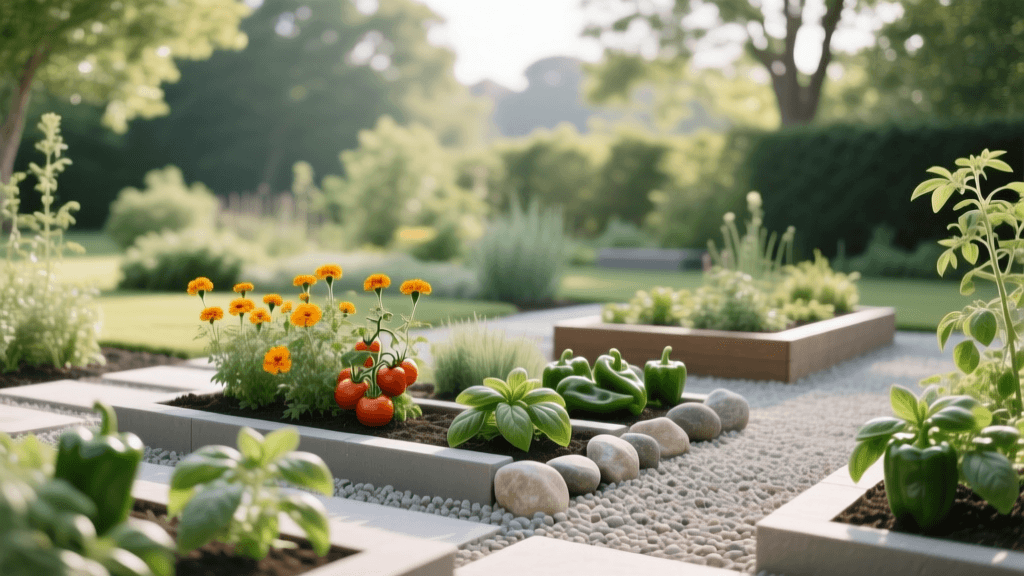
Designing a Pest-Resistant Landscape: IPM Garden Planning
Introduction to IPM Landscape Design
When most homeowners think of pest control, they imagine reactive treatments: spraying chemicals after an infestation has already taken hold. However, as a senior landscape planner, I always advise clients that the most effective pest management strategy begins long before the first seed is sown or the first shrub is planted. Designing a pest-resistant landscape using Integrated Pest Management (IPM) principles shifts the focus from reaction to prevention. By carefully considering site grading, hardscape materials, plant zoning, and beneficial insect habitats, you can create a beautiful outdoor space that naturally resists common lawn and garden pests.
According to the United States Environmental Protection Agency (EPA), 'IPM is not a single pest control method but rather a series of pest management evaluations, decisions, and controls.' When applied to landscape architecture, this means designing an ecosystem where pests struggle to thrive, and their natural predators are encouraged to flourish.
Site Analysis: The Foundation of Pest Prevention
Before drawing a single landscape bed, conduct a thorough site analysis. Pests are inherently opportunistic; they target stressed plants and exploit poor environmental conditions. Understanding your yard's microclimates, soil composition, and drainage patterns is the first step in IPM design.
- Soil Testing: Send soil samples to your local university extension office. Imbalanced pH or deficient nutrients weaken plant cell walls, making them highly susceptible to sap-sucking insects like aphids and spider mites. Amending the soil with organic compost based on test results builds robust plant immunity.
- Drainage and Grading: Standing water is a breeding ground for mosquitoes and a catalyst for root rot fungi, which attract fungus gnats. Ensure your landscape design includes a minimum 2% grade away from your home's foundation and utilize French drains or rain gardens in low-lying areas to eliminate stagnant water.
- Sunlight Mapping: Planting shade-loving hostas in full sun will cause chronic heat stress, inviting slugs and foliar nematodes. Map your yard's sun exposure over a full day and zone your plants accordingly.
Hardscaping and Structural Pest Deterrence
Hardscape elements dictate water flow, define garden rooms, and create physical barriers against pests. Strategic hardscaping is a cornerstone of preventive landscape design.
Termite and Rodent Buffers
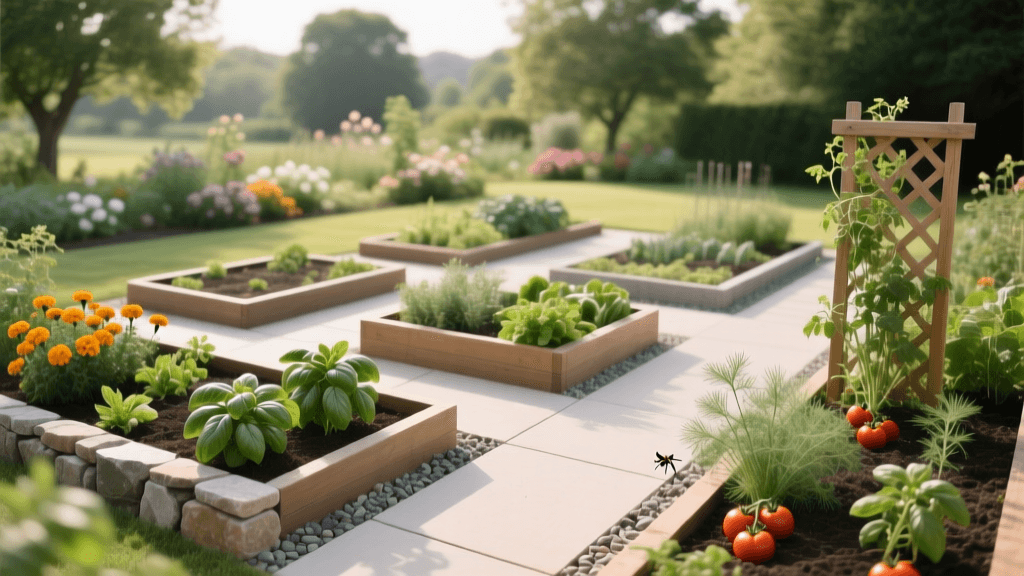
Never allow soil or mulch to touch your home's siding. Design a 12-to-18-inch hardscape buffer around the perimeter of your foundation using inorganic materials like crushed gravel or river rock. This creates a dry, exposed zone that deters subterranean termites and removes the protective cover that rodents and earwigs seek. If using wooden raised beds, opt for naturally rot-resistant woods like cedar or redwood, or use composite lumber to prevent termite attraction.
Pathway and Edging Choices
Slugs and snails thrive in the damp, dark crevices provided by traditional wooden railroad ties or stacked stone edging. Instead, design your pathways with tightly fitted pavers or poured concrete edges. If you prefer a natural look, use copper tape along the top of wooden borders; the copper reacts with the mollusks' slime, creating a mild electrical deterrent that keeps them out of your prized hosta beds.
Strategic Plant Zoning and Companion Planting
Grouping plants by water and sunlight needs (hydrozoning) reduces environmental stress. Beyond hydrozoning, IPM design heavily relies on companion planting and trap cropping to manage pest populations organically.
Trap Cropping
Trap crops are sacrificial plants designed to lure pests away from your primary ornamental or vegetable specimens. For example, planting nasturtiums (*Tropaeolum majus*) at the perimeter of your garden will attract aphids away from your roses and brassicas. Once the nasturtiums are heavily infested, you simply pull them up and dispose of them, removing the pest population without a single drop of pesticide.
Aromatic Deterrents
Many pests locate their host plants via scent. By interplanting highly aromatic herbs, you can mask the chemical signatures of vulnerable plants. Interplanting garlic, chives, and lavender among susceptible crops confuses the olfactory receptors of pests like the cabbage looper and the carrot rust fly.
Designing Insectary Borders for Beneficial Predators
An essential component of IPM design is the 'insectary border'—a dedicated planting zone designed to attract and sustain beneficial insects. Predatory insects like ladybugs, lacewings, parasitic wasps, and hoverflies require nectar and pollen to survive, especially when pest populations are low.
To design an effective insectary border, select plants with varying bloom times and flower structures:
- Umbellifers (Carrot Family): Plants like dill, fennel, and yarrow feature tiny, shallow flowers that are perfectly suited for the short mouthparts of parasitic wasps and hoverflies.
- Composites (Daisy Family): Coneflowers, sunflowers, and coreopsis provide excellent landing pads and abundant pollen for larger predators and generalist pollinators.
- Early and Late Bloomers: Include early spring bloomers like alyssum and late fall bloomers like goldenrod to ensure beneficial insects have a continuous food source throughout the growing season.
The University of California Agriculture and Natural Resources (UC ANR) emphasizes that 'conservation of natural enemies is a key IPM practice. Providing nectar, pollen, and shelter encourages predators and parasitoids to remain in the landscape.'
Pest-Resistant Plant Pairing and Deterrence Matrix
When planning your garden beds, use the following matrix to pair vulnerable plants with natural deterrents. This proactive layout strategy minimizes the need for chemical interventions later in the season.
| Target Pest | Vulnerable Plants | Deterrent Companion Plant | Mechanism of Action & Design Placement |
|---|---|---|---|
| Aphids | Roses, Milkweed, Tomatoes | Alliums (Garlic, Chives, Onions) | Sulfur compounds mask host plant scents. Interplant directly at the base of roses. |
| Japanese Beetles | Roses, Grapes, Linden Trees | Garlic, Rue, Tansy | Strong odors repel adult beetles. Plant in a dense border around susceptible shrubs. |
| Cabbage Loopers | Brassicas (Kale, Broccoli) | Thyme, Sage, Dill | Aromatic oils confuse moths; dill attracts predatory wasps. Border the vegetable patch. |
| Nematodes (Root-knot) | Tomatoes, Peppers, Carrots | French Marigolds (*Tagetes patula*) | Roots release alpha-terthienyl, which suppresses nematode eggs. Interplant densely. |
| Flea Beetles | Eggplant, Potatoes | Radishes, Catnip | Radishes act as a trap crop; Catnip repels. Sow radishes 2 weeks before main crops. |
Mulching Strategies for Moisture and Pest Control
Mulch is vital for soil moisture retention and temperature regulation, but improper application can create a haven for pests. In IPM design, the type and depth of mulch are carefully specified based on the surrounding plantings.
- Organic Wood Chips: Apply a 2-to-3-inch layer of aged cedar or cypress mulch around trees and shrubs. These woods contain natural oils that repel termites and ants. Never pile mulch against tree trunks ('volcano mulching'), as this invites bark-boring insects and rodent girdling.
- Inorganic Gravel: Use pea gravel or crushed granite around succulents, alpine plants, and foundation perimeters. Gravel drains rapidly, denying slugs, pillbugs, and earwigs the damp environment they require to breed.
- Straw (Not Hay): In vegetable gardens, use weed-free straw. Hay contains seeds that introduce weeds, which in turn harbor leafhoppers and thrips that can transmit devastating plant viruses.
Lighting Design to Minimize Nocturnal Pests
Outdoor lighting is a frequently overlooked aspect of pest management. Traditional mercury vapor and cool-white LED lights emit high levels of ultraviolet (UV) and blue light, which act as a beacon for night-flying insects like moths, beetles, and mosquitoes. These insects not only become a nuisance on your patio but also lay eggs in your nearby landscape beds.
The IPM Lighting Solution: Design your outdoor lighting plan using warm-toned LEDs (2700K or lower) or sodium vapor bulbs. These emit a yellow-orange spectrum that is significantly less attractive to insects. Furthermore, utilize directional down-lighting and motion sensors to minimize the duration and spread of light pollution, keeping nocturnal pest activity to a minimum.
Conclusion: Planning for Long-Term Success
Designing a pest-resistant landscape is an investment in the long-term health and beauty of your property. By integrating IPM principles into the initial planning phases—evaluating soil and drainage, selecting strategic hardscapes, utilizing companion planting, and designing insectary borders—you create a resilient ecosystem. This proactive approach drastically reduces the need for costly and environmentally taxing chemical treatments, allowing you to enjoy a vibrant, thriving garden that naturally keeps pests at bay.
Authoritative Sources & Further Reading
- United States Environmental Protection Agency (EPA): Integrated Pest Management (IPM) Principles and guidelines for residential landscape planning.
- University of California Agriculture and Natural Resources (UC ANR): Statewide IPM Program guidelines on biological control, insectary plants, and habitat manipulation.
- Clemson University Cooperative Extension: Fact sheets on companion planting, trap cropping, and physical barriers in home landscapes.