Pest Control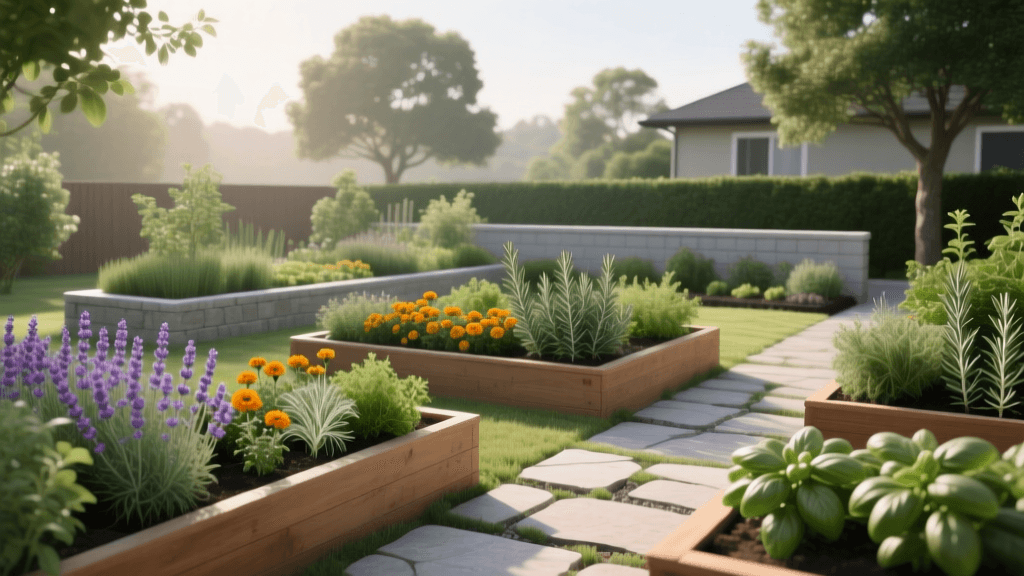
Designing a Pest-Resistant Garden Landscape for IPM
The Foundation of IPM: Designing Out Pests
When most homeowners think of pest control, they immediately picture chemical sprays, granular treatments, and reactive extermination. However, the most effective and sustainable approach to managing lawn and garden pests begins long before the first grub or aphid appears. By adopting a design-first mindset rooted in Integrated Pest Management (IPM), you can architect a landscape that naturally deters pests, reduces plant stress, and minimizes the need for costly chemical interventions.
IPM is an ecosystem-based strategy that focuses on long-term prevention of pests or their damage through a combination of techniques such as biological control, habitat manipulation, and modification of cultural practices. Designing a pest-resistant landscape involves strategic hardscaping, intelligent plant zoning, and the creation of beneficial insect habitats. This comprehensive guide will walk you through the planning and design phases of building a resilient, pest-proof outdoor space.
Strategic Hardscaping and Perimeter Defense
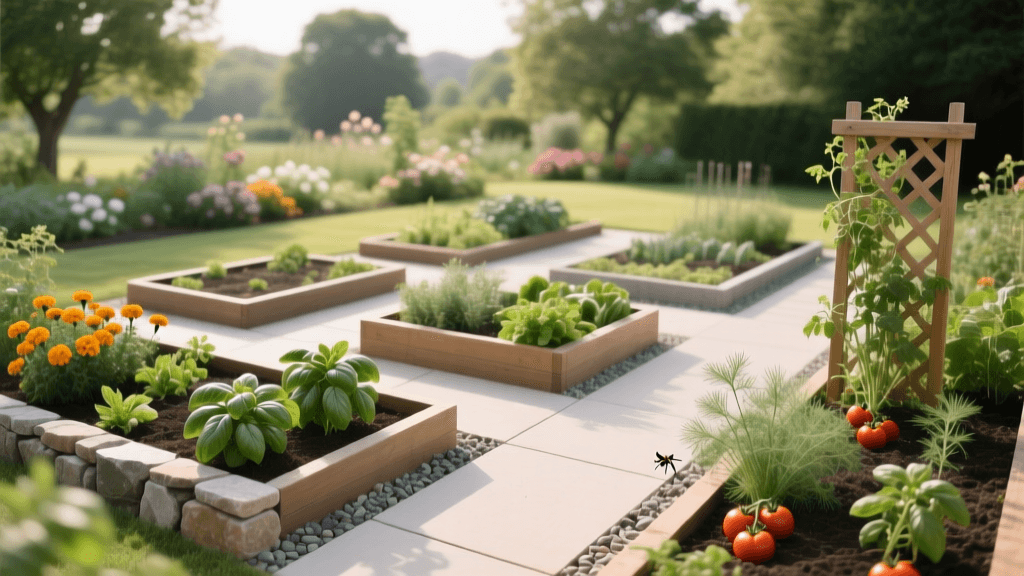
The transition zone between your home's foundation and your garden beds is a critical vulnerability for pest intrusion. Termites, carpenter ants, and rodents use dense vegetation and moisture-retaining mulches as bridges to enter your home. Proper hardscape planning creates a physical and environmental barrier.
The 18-Inch Gravel Barrier
Instead of planting shrubs directly against your foundation, design an 18-inch-wide perimeter of crushed gravel or river rock. This serves multiple purposes:
- Moisture Control: Gravel allows rapid water percolation, keeping the foundation dry and unappealing to moisture-loving pests like earwigs, silverfish, and termites.
- Physical Deterrent: The sharp edges of crushed gravel (such as 3/4-inch crushed limestone) deter burrowing rodents and slugs.
- Cost & Installation: Crushed limestone costs approximately $50 to $80 per cubic yard. For a standard 50-foot foundation perimeter, you will need roughly 1.5 cubic yards, totaling under $150 for materials.
Mulch Management and Siding Clearance
Organic mulches like hardwood or pine bark are excellent for soil health but act as pest hotels. When designing your beds, ensure that mulch is kept at least 6 inches away from wooden siding and door thresholds. Opt for cedar or cypress mulch in high-risk areas; these woods contain natural oils (thujone) that repel ants, cockroaches, and termites. Apply mulch at a depth of exactly 2 to 3 inches—any thicker, and you create a humid, anaerobic environment that attracts fungus gnats and root rot pathogens.
Garden Zoning and Airflow Optimization
Microclimates within your yard dictate pest pressure. Shady, damp corners with poor airflow are breeding grounds for fungal diseases and sap-sucking insects, while compacted, high-traffic turf areas suffer from root stress, making them prime targets for grubs and chinch bugs. Mapping your garden into distinct zones allows you to apply targeted design solutions.
| Garden Zone | Characteristics | Common Pests | Design Solution |
|---|---|---|---|
| Lowland / Wet | Poor drainage, heavy shade, standing water | Mosquitoes, fungus gnats, slugs | Install French drains, use river rock, plant moisture-loving repellents like mint or lemon balm in containers. |
| High-Traffic Turf | Compacted soil, stressed grass roots | Chinch bugs, white grubs, armyworms | Install stepping stones to redirect foot traffic. Core aerate annually and top-dress with compost. |
| Dense Canopy Beds | Poor airflow, high humidity, overlapping leaves | Aphids, spider mites, powdery mildew | Space plants 20% wider than the nursery tag recommends. Prune lower branches to elevate the canopy. |
| Sun-Baked South | High heat, drought-stressed plants | Spider mites, leafhoppers, nematodes | Install drip irrigation to maintain even soil moisture. Use drought-tolerant native species. |
Companion Planting and Polyculture Layouts
Monocultures—large swaths of a single plant species—are an open invitation for specialized pests. If you plant a massive row of hostas, slugs will find them. By designing polyculture layouts and utilizing companion planting, you can confuse pest olfactory receptors and introduce natural repellents.
Trap Cropping Strategies
Trap crops are sacrificial plants designed to lure pests away from your prized specimens. Design these into the perimeter of your garden beds rather than the center.
- Nasturtiums: Plant these trailing annuals near your vegetable garden to draw aphids away from tomatoes and brassicas.
- Blue Hubbard Squash: Highly attractive to squash vine borers and cucumber beetles. Plant them 10 to 15 feet away from your main cucurbit crops to intercept migrating pests.
- Radishes: Sow a border of radishes around your cabbage and broccoli to trap flea beetles and root maggots.
Aromatic Deterrents
Integrate strongly scented alliums and herbs throughout your ornamental beds. Interplanting garlic and ornamental onions (Allium giganteum) among rose bushes masks the scent of the roses and deters aphids and Japanese beetles. Similarly, bordering patios with lavender, rosemary, and citronella grass helps reduce mosquito populations in outdoor entertaining zones.
Designing Habitats for Beneficial Insects
A truly resilient landscape does not just repel pests; it actively recruits their natural predators. Ladybugs, lacewings, parasitic wasps, and ground beetles are the unsung heroes of IPM. To keep them in your garden, you must design specific habitats that provide overwintering shelter and continuous nectar sources.
Building a Beetle Bank
A beetle bank is a raised, vegetated mound designed to harbor predatory ground beetles and spiders that hunt slugs, caterpillars, and root maggots.
- Dimensions: Build a mound roughly 2 feet wide and 1 foot high, running parallel to your garden beds.
- Planting: Seed the bank with native bunchgrasses like switchgrass or little bluestem. These grasses provide dense, undisturbed overwintering habitat.
- Timing & Cost: Construct the bank in early fall using a mix of topsoil and compost (approx. $30 for materials). Seed immediately so roots establish before the first hard freeze.
The Insectary Border
Beneficial insects require nectar and pollen to sustain their adult stages. Design an 'insectary border' along the edges of your property featuring plants with umbel-shaped or composite flowers. Excellent choices include yarrow (Achillea millefolium), dill, fennel, sweet alyssum, and cosmos. Avoid broad-spectrum pesticides in these zones entirely, as they will decimate your beneficial populations.
Soil Topography and Drainage Planning
Pests exploit weak, stressed plants. The foundation of plant health is soil topography and drainage. Before planting, conduct a percolation test to understand your soil's drainage rate. If water pools for more than four hours after a heavy rain, you are creating a breeding ground for root-feeding pests and fungal pathogens.
Design gentle swales and berms to direct excess water away from plant crowns. When laying out a new lawn, ensure a minimum grade drop of 2% (a 2-inch drop over 8 feet) away from structures to prevent water accumulation. For heavy clay soils, amend the planting zones with expanded shale or pumice at a ratio of 20% by volume to improve aeration and prevent the anaerobic conditions that attract fungus gnats and root rot nematodes.
Expert Insights and Long-Term Maintenance
Designing a pest-resistant landscape is not a one-time event; it is a dynamic process that requires seasonal observation and adjustment. According to the University of California Statewide Integrated Pest Management Program (UC IPM), cultural and physical controls—including thoughtful landscape design and proper plant selection—form the critical first line of defense in managing pests sustainably. The UC IPM guidelines emphasize that modifying the environment to make it less hospitable to pests is vastly superior to relying on reactive chemical treatments.
'The goal of IPM is not to eradicate pests, but to manage them and their damage to an acceptable level using the most economical and environmentally sound approaches. Landscape design, including proper plant placement and irrigation management, is foundational to this strategy.' — UC Statewide Integrated Pest Management Program
To maintain your designed defenses, implement a strict seasonal calendar:
- Spring: Inspect hardscape barriers for soil buildup that bridges the gravel perimeter. Refresh cedar mulch and prune shrubs to open the canopy for spring airflow.
- Summer: Monitor trap crops. Once nasturtiums or radishes are heavily infested, pull and destroy them to break the pest life cycle.
- Fall: Clear decaying plant matter from dense beds to eliminate overwintering sites for squash bugs and stink bugs. Leave the beetle bank and insectary borders completely untouched to protect beneficial predators.
Conclusion
By shifting your perspective from reactive extermination to proactive landscape design, you can cultivate a vibrant, thriving garden that naturally keeps pests in check. Investing time and resources into strategic hardscaping, intelligent zoning, companion planting, and beneficial habitats will pay dividends for years to come. Not only will you reduce your reliance on chemical pesticides and save money on treatments, but you will also foster a balanced, biodiverse ecosystem right in your own backyard.