Pest Control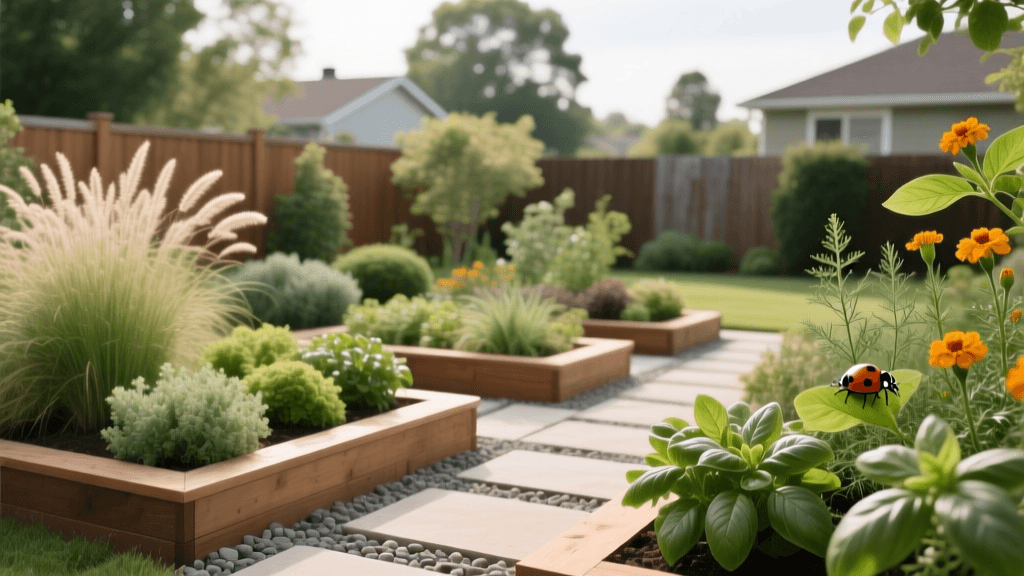
Designing A Pest-Resistant Garden: Landscape Planning
When most homeowners think of pest control, they picture spraying chemical pesticides after an infestation has already taken hold. However, the most effective, long-term strategy begins long before a single bug appears: during the landscape design and planning phase. By integrating Integrated Pest Management (IPM) principles into your garden layout, you can create a beautiful, thriving outdoor space that naturally deters destructive insects, rodents, and fungal diseases. This approach, often referred to as 'pest-resistant landscaping,' relies on strategic plant placement, hardscaping, and environmental manipulation to make your yard inhospitable to pests while welcoming beneficial predators.
Zoning Your Yard for Pest Prevention
Pests thrive in specific microclimates. Mosquitoes need standing water, slugs require damp, shaded soil, and spider mites proliferate in hot, dusty conditions. Designing your landscape with zoning in mind allows you to control these environmental factors.
Moisture Management and Drainage
Poor drainage is a primary culprit for mosquito and fungus gnat infestations. During the planning phase, grade your lawn to ensure a minimum slope of 2% (a 2-inch drop per 10 feet) away from your home's foundation and garden beds. For severe drainage issues, design a French drain system using 4-inch perforated PVC pipe wrapped in geotextile fabric, buried 12 to 18 inches deep in a gravel-filled trench. According to the University of California Statewide Integrated Pest Management Program (UC IPM), eliminating standing water and improving soil drainage are the most critical cultural controls for reducing mosquito and soil-dwelling pest populations.
Airflow and Plant Spacing
Overcrowded plants create humid, stagnant environments that attract aphids, whiteflies, and powdery mildew (which in turn attracts fungus gnats). When planning your garden beds, research the mature width of your chosen plants and space them accordingly. For example, if a shrub's mature spread is 4 feet, plant them at least 4.5 feet apart to ensure cross-breeze airflow. This simple design choice drastically reduces the humidity levels that pests rely on for reproduction.
Pre-Planting Soil Preparation and Solarization
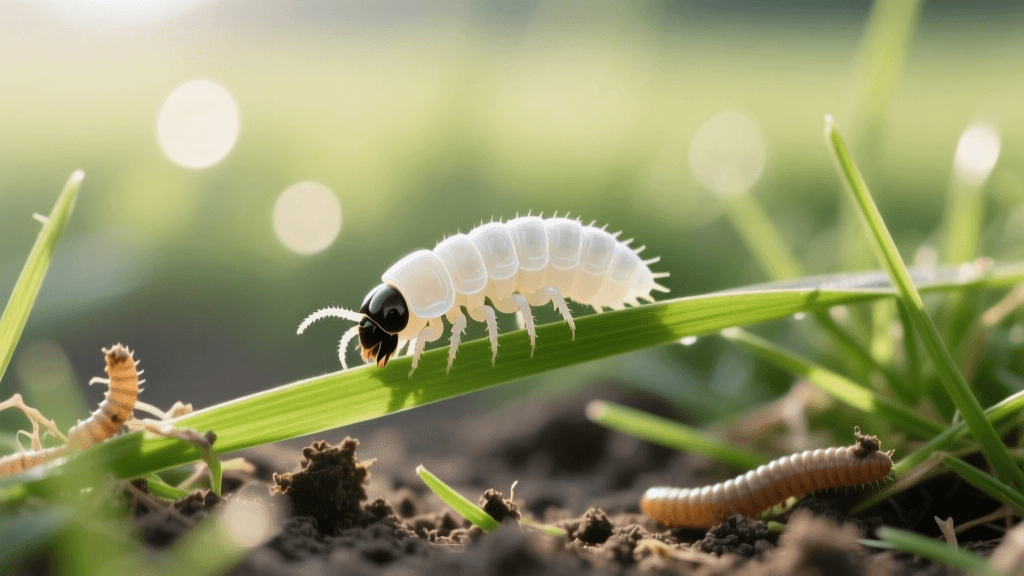
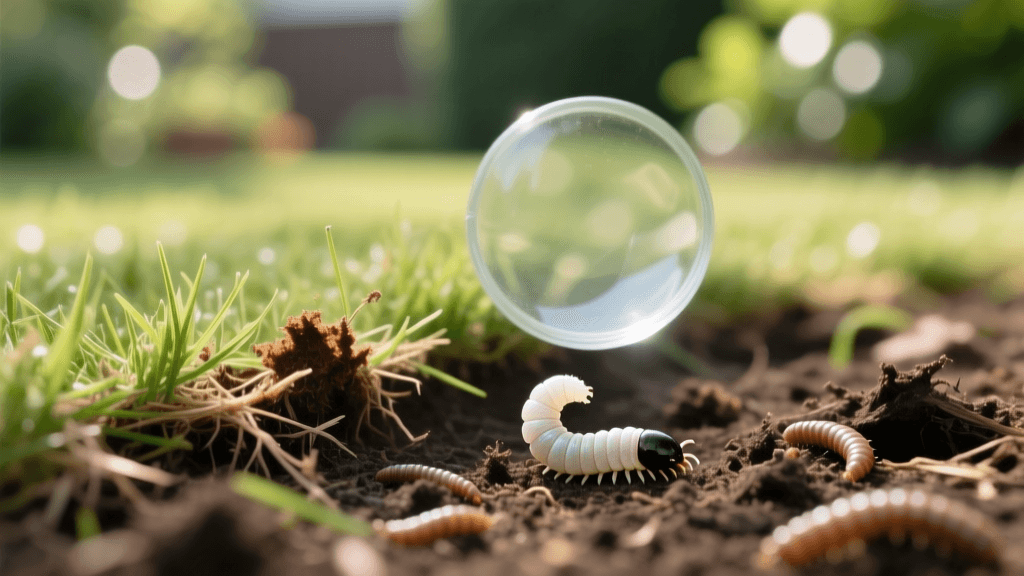
Effective pest management begins before you even break ground. Soil-borne pests, such as root-knot nematodes, grubs, and fungal pathogens, can devastate a newly designed landscape. Incorporate soil solarization into your planning timeline during the hottest months of the year (typically June through August).
To solarize, clear the designated garden area of debris, water the soil deeply to a depth of 12 inches, and cover it tightly with clear 2-mil to 4-mil polyethylene plastic sheeting. Bury the edges in a shallow trench to create an airtight seal. Leave the plastic in place for 4 to 6 weeks. The trapped solar energy raises soil temperatures to 120°F or higher in the top 6 inches, effectively cooking and eliminating nematodes, weed seeds, and soil-dwelling insect larvae without the use of harsh chemical fumigants. This crucial planning step ensures your new plantings have a clean, healthy foundation.
Strategic Plant Selection and Buffer Zones
The plants you choose serve as the first line of defense in your landscape design. Incorporating pest-repellent plants and establishing physical buffer zones can significantly reduce pest migration into your vulnerable vegetable or ornamental beds.
Perimeter Buffer Planting
Design a perimeter buffer using strongly scented, pest-deterring plants. Alliums (ornamental onions), lavender, and rosemary are excellent choices for border planting. These plants emit volatile oils that mask the scent of vulnerable host plants, confusing foraging insects like carrot rust flies and cabbage loopers. Plant these buffers 12 to 18 inches from the edges of your property lines or vegetable gardens.
Native and Resistant Cultivars
Native plants have evolved alongside local pests and developed natural defenses. When planning your landscape, consult your local university extension office for a list of native species. Additionally, look for disease-resistant cultivars (often marked with 'R' in nursery catalogs) for roses and tomatoes, as weakened, diseased plants emit stress pheromones that actively attract destructive borers and beetles.
Companion Planting for Natural Pest Deterrence
Companion planting is a cornerstone of IPM landscape design. By intercropping specific species, you can repel pests, attract beneficial predators, or use 'trap crops' to lure pests away from your prized plants. Below is a strategic planning chart for integrating companion plants into your garden design.
| Target Pest | Companion Plant | Design Placement Strategy | Mechanism of Action |
|---|---|---|---|
| Aphids & Whiteflies | Nasturtiums | Plant as a trap crop 5-10 feet away from prized roses or tomatoes. | Acts as a sacrificial trap crop, drawing aphids away from main crops. |
| Slugs & Snails | Wormwood (Artemisia) | Border plantings around hosta and lettuce beds. | Foliage texture and bitter taste deter soft-bodied mollusks. |
| Tomato Hornworms | Borage & Dill | Interplant directly within the tomato bed, spaced 18 inches apart. | Attracts parasitic wasps (Braconidae) that lay eggs on hornworms. |
| Japanese Beetles | Four O'Clocks | Plant along sunny garden borders. | Foliage is highly attractive but toxic to Japanese beetles. |
| Cabbage Loopers | Thyme & Sage | Underplant brassicas (cabbage, broccoli) as a living mulch. | Strong aromatic oils mask the scent of the host brassica plants. |
Hardscaping and Mulch: Designing Physical Barriers
Hardscaping elements and mulch choices are frequently overlooked in pest control planning, yet they dictate the physical accessibility and breeding potential of many lawn and garden pests.
Gravel and Crushed Stone Borders
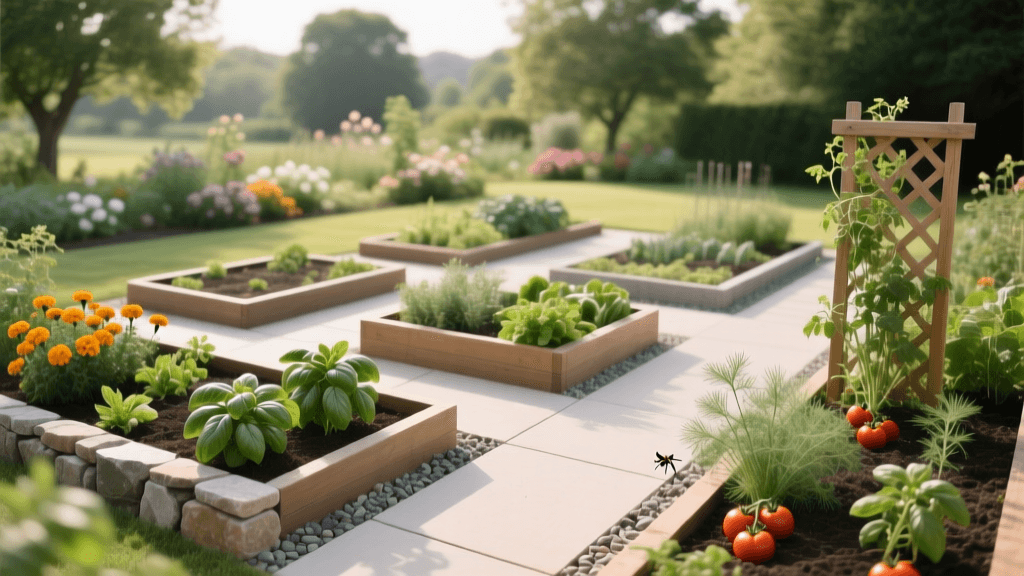
Slugs, snails, and ground-dwelling ants despise crossing dry, sharp, or abrasive surfaces. Design a 12-to-18-inch wide perimeter of crushed gravel (3/4-inch angular crushed stone works best, as the sharp edges deter soft-bodied pests) around your foundation and raised beds. Cost Estimate: Crushed gravel typically costs $50 to $80 per cubic yard. A 2-inch deep layer covering a 50-foot by 1-foot border requires roughly 0.3 cubic yards, costing about $25 in materials.
Selecting the Right Mulch
Avoid using thick layers of hardwood or bark mulch directly against your home's foundation, as it retains moisture and provides ideal harborage for termites and carpenter ants. Instead, design your beds with a 12-inch 'mulch-free zone' immediately adjacent to the house, utilizing inorganic mulch like river rock. For garden beds, utilize cedar or cypress mulch. These woods contain natural oils (thujone) that repel ants, roaches, and ticks. Keep mulch layers to a maximum depth of 2 to 3 inches to prevent creating a damp, impenetrable layer that shelters sowbugs and earwigs.
Designing Insectary Habitats
A truly pest-resistant landscape doesn't just repel bad bugs; it actively recruits good ones. Dedicate 5% to 10% of your garden design to an 'insectary'—a specialized planting zone designed to provide nectar, pollen, and overwintering shelter for beneficial predators like ladybugs, lacewings, and ground beetles.
- Umbellifers: Plants with umbrella-shaped flower clusters, such as yarrow, dill, and fennel, provide accessible nectar for tiny parasitic wasps that hunt caterpillars and aphids.
- Ground Cover: Incorporate low-growing, dense ground covers like creeping thyme or sweet alyssum. These provide daytime shade and moisture for ground beetles, which are voracious nocturnal predators of slug eggs and cutworms.
- Overwintering Sites: Leave a small, undisturbed corner of your yard with leaf litter and hollow-stemmed plants (like coneflowers and bee balm) to provide winter habitat for solitary bees and predatory insects.
Landscape Lighting and Nighttime Pest Planning
Outdoor lighting design plays a surprising role in pest management. Standard mercury vapor or incandescent bulbs emit UV and blue light spectrums that act as a beacon for night-flying insects, including June bugs, sod webworm moths, and beetles. When planning your landscape lighting, opt for warm-colored LED bulbs (2700K to 3000K) or yellow 'bug lights' (sodium vapor). Position lights to illuminate pathways from the outside in, rather than mounting them directly above doorways, to prevent drawing swarms of insects toward your home's entry points.
Final Thoughts on Landscape Planning
Designing a pest-resistant landscape requires a shift in perspective—from viewing pests as invaders to be eradicated, to understanding them as symptoms of an imbalanced environment. By thoughtfully planning your drainage, plant spacing, companion zones, and hardscaping materials, you create a resilient ecosystem. This proactive approach not only saves hundreds of dollars annually on chemical treatments but also cultivates a safer, more vibrant garden for your family and local wildlife.