Pest Control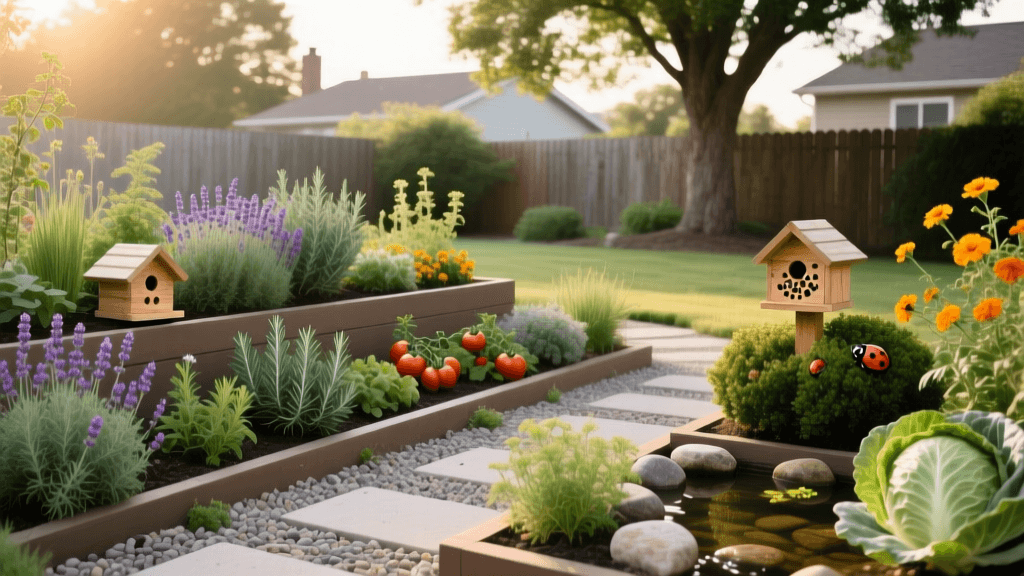
Designing A Pest-Resistant Landscape Layout Guide
The Philosophy of Preventative Landscape Design
Most homeowners approach lawn and garden pest control reactively, reaching for chemical sprays only after aphids, grubs, or rodents have already caused visible damage. However, as a core tenet of Integrated Pest Management (IPM), the most effective pest control strategy begins long before a single seed is planted or a shovel hits the dirt. By approaching your outdoor space through the lens of preventative landscape design, you can naturally deter pests, encourage beneficial predators, and create a resilient ecosystem that maintains itself. Designing a pest-resistant landscape layout involves strategic zoning, companion planting, hardscaping for physical deterrence, and the deliberate cultivation of beneficial insect habitats. This comprehensive planning guide will walk you through the exact measurements, plant selections, and budgeting required to design a yard that looks beautiful and naturally defends itself against common invaders.
Zoning Your Property for IPM Success
A well-planned pest-resistant landscape is divided into distinct management zones. This prevents the overuse of broad-spectrum pesticides near living areas while allowing for more natural, wilder pest-control mechanisms at the property's edges.
Zone 1: High-Traffic and Outdoor Living Areas
This zone includes patios, decks, and children's play areas. The goal here is strict pest exclusion. Avoid planting fruit-bearing trees or highly fragrant, nectar-heavy flowers directly adjacent to seating areas, as these attract wasps, ants, and flies. Instead, utilize potted citrus trees (which can be moved) and plant pest-repelling herbs like lavender, rosemary, and mint in raised planters. Ensure a minimum 3-foot buffer of low-growing, non-flowering ground cover between the house foundation and any dense shrubbery to eliminate hiding spots for rodents and termites.
Zone 2: Ornamental and Vegetable Production Beds
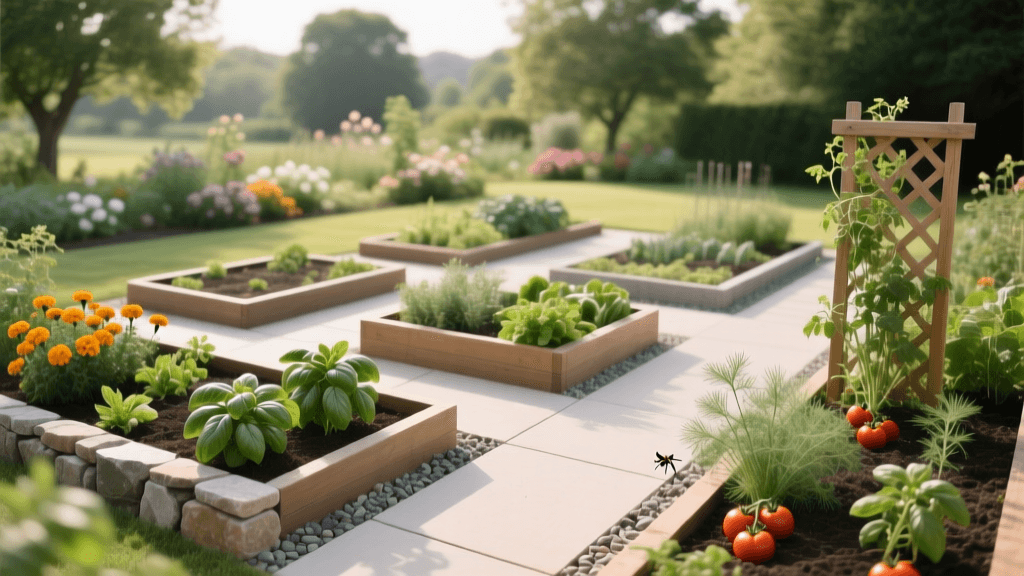
This is your primary battleground for pests like aphids, cabbage loopers, and Japanese beetles. Here, you will implement intensive companion planting, physical row covers, and targeted organic treatments. Soil health is paramount in Zone 2; incorporating 2 to 3 inches of high-quality compost annually builds robust plant immune systems that naturally resist sap-sucking insects.
Zone 3: The Perimeter and Wild Edges
The outer edges of your property should serve as a trap and a sanctuary. This zone is dedicated to native plants and insectary beds that attract predatory insects (like ladybugs, lacewings, and parasitic wasps) which will naturally patrol your Zone 2 gardens. It also serves as a buffer, utilizing sacrificial trap crops to draw pests away from your prized vegetables and ornamentals.
Hardscaping and Physical Barriers for Pest Deterrence
Hardscaping is an often-overlooked element of pest control. By integrating specific materials and measurements into your landscape design, you can physically block pests from accessing vulnerable areas.
- Gravel Perimeters for Slug and Rodent Control: Slugs, snails, and mice despise crossing sharp, dry surfaces. Install an 18-inch to 24-inch wide trench filled with 3/4-inch crushed angular gravel around the perimeter of your vegetable beds and home foundation. The sharp edges deter soft-bodied pests, while the lack of moisture and cover discourages rodents from nesting.
- Hardware Cloth for Gopher and Vole Exclusion: If you are designing raised beds in an area prone to burrowing pests, line the bottom of the beds with 1/4-inch galvanized hardware cloth. Overlap the seams by at least 6 inches and staple them securely to the inner walls. Extend the hardware cloth 12 inches deep into the soil and 6 inches above grade to prevent voles from climbing over the edges.
- Copper Flashing for Raised Beds: To protect elevated wooden planter boxes from snails and slugs, affix a 2-inch wide strip of solid copper tape around the entire outer perimeter of the bed. When a slug's slime touches the copper, it creates a mild electrical reaction that repels them without the use of toxic baits.
Companion Planting Layouts and Spatial Planning
Companion planting is the strategic placement of specific plant species near one another to enhance growth, repel pests, or attract beneficial insects. When designing your garden layout, avoid planting large monocultures (single blocks of one plant), which act as a buffet for specialized pests. Instead, use interplanting and polyculture drifts.
| Primary Crop | Companion Plant | Target Pest Deterred | Mechanism of Action |
|---|---|---|---|
| Tomatoes | French Marigold (Tagetes patula) | Root-Knot Nematodes, Hornworms | Marigold roots release alpha-terthienyl, a compound toxic to nematodes; strong scent masks tomato odor. |
| Brassicas (Cabbage, Kale) | Thyme and Nasturtiums | Cabbage Loopers, Aphids | Thyme masks the brassica scent; Nasturtiums act as a trap crop, drawing aphids away from the primary harvest. |
| Roses | Alliums (Garlic, Chives, Onions) | Aphids, Japanese Beetles, Black Spot | Sulfur compounds released by alliums deter chewing and sucking insects and possess mild fungicidal properties. |
| Squash and Zucchini | Radishes and Tansy | Squash Vine Borers, Cucumber Beetles | Radishes act as a trap crop; Tansy repels adult beetles with its strong aromatic foliage. |
When laying out your beds, space companion plants no more than 12 to 18 inches away from the primary crop to ensure the chemical and olfactory benefits overlap effectively.
Designing an Insectary Bed for Biological Control
An insectary is a dedicated garden bed designed specifically to attract, feed, and house beneficial insects. According to the University of California Statewide Integrated Pest Management Program (UC IPM), providing continuous blooming habitat is essential for sustaining populations of natural enemies like predatory beetles, lacewings, and parasitic wasps.
"Conservation biological control involves modifying the environment or existing practices to protect and enhance natural enemies. Providing nectar and pollen sources through strategic plant selection is a cornerstone of this IPM strategy." — UC Davis IPM Guidelines
To design an effective insectary bed, focus on the Umbelliferae (carrot) and Asteraceae (daisy) plant families. These plants produce shallow, clustered flowers that are perfectly shaped for the short mouthparts of beneficial insects like hoverflies and minute pirate bugs.
Top Plant Selections for Your Insectary:
- Yarrow (Achillea millefolium): A hardy perennial that provides flat landing pads for ladybugs and lacewings. Plant in drifts of 3 to 5, spaced 18 inches apart.
- Sweet Alyssum (Lobularia maritima): An excellent low-growing annual that attracts syrphid flies, whose larvae are voracious aphid predators. Use as a living mulch beneath taller crops.
- Dill and Fennel: Allow these herbs to bolt and flower in the late summer. Their umbrella-shaped blooms are magnetic for parasitic wasps, which lay their eggs inside destructive caterpillars like the tomato hornworm.
- Buckwheat (Fagopyrum esculentum): A fast-growing cover crop that blooms in just 35 days, providing an emergency nectar source for beneficials during mid-summer gaps.
Soil Health and Root Zone Planning
Pest resistance starts below the soil surface. Stressed plants emit volatile organic compounds (VOCs) that act as a beacon to pests like spider mites and bark beetles. Designing a landscape with a focus on soil biology reduces the need for synthetic fertilizers, which can cause rapid, sappy growth that attracts aphids.
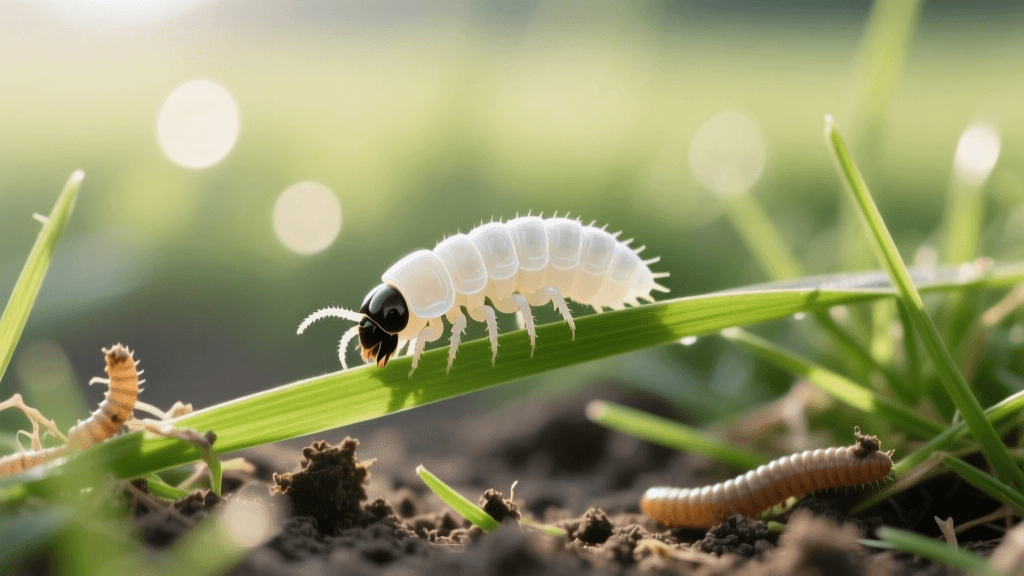
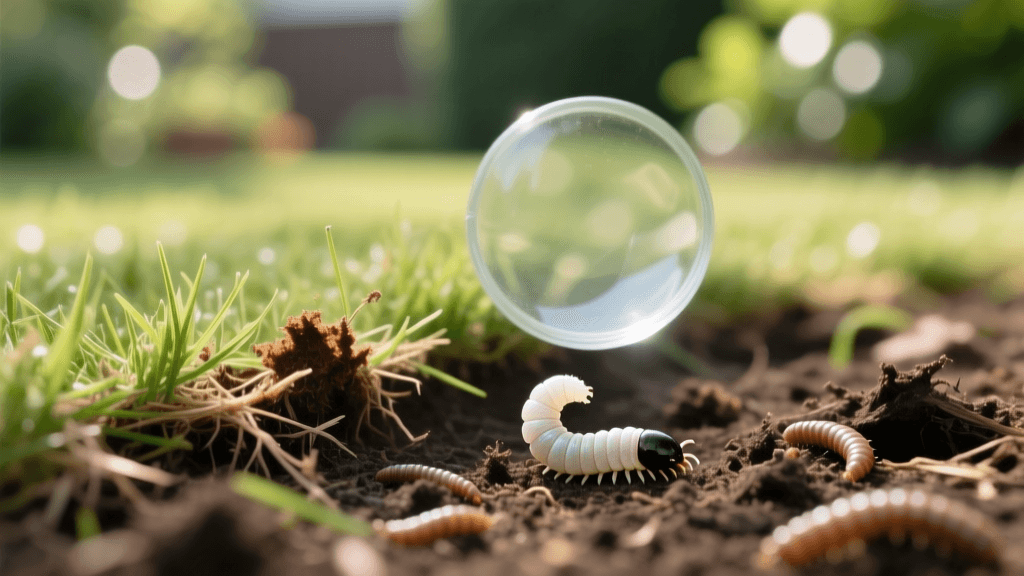
Before planting, conduct a comprehensive soil test. Amend heavy clay soils with expanded shale and compost to improve drainage, preventing root rot and fungus gnats. For grub prevention in lawn areas, integrate Heterorhabditis bacteriophora beneficial nematodes (such as NemaSeek Hb) into your late-summer landscape maintenance plan. Apply at a rate of 1 million nematodes per 2,000 square feet, watering the area immediately to wash the microscopic predators down into the root zone where white grubs feed.
Budgeting and Implementation Timeline
Transitioning to a pest-resistant landscape design requires an upfront investment in planning and materials, but it drastically reduces long-term costs associated with chemical treatments and plant replacement. Below is a sample budget and timeline for redesigning a 500-square-foot vegetable and ornamental garden.
Estimated Material Costs (500 Sq. Ft.)
- 1/4-inch Galvanized Hardware Cloth (3 rolls, 2x50 ft): $120.00
- Crushed Angular Gravel (1 ton for perimeter paths): $85.00
- Copper Tape (50 ft roll): $25.00
- Companion & Insectary Plants (40 plugs/transplants): $140.00
- Beneficial Nematodes (25 million count): $35.00
- Total Estimated Material Cost: $405.00
Seasonal Implementation Timeline
- Early Spring (March-April): Conduct soil testing, install hardscaping barriers (hardware cloth, gravel), and amend soil with compost.
- Mid-Spring (May): Transplant primary crops alongside companion plants. Sow insectary seeds like alyssum and buckwheat.
- Early Summer (June): Monitor pest populations using yellow sticky traps. Release beneficial predators if aphid thresholds are exceeded.
- Late Summer (August): Apply beneficial nematodes to the lawn and garden beds to target the larval stages of beetles before they overwinter.
By thoughtfully designing your landscape layout with IPM principles in mind, you transform your yard from a vulnerable target into a fortified, self-regulating ecosystem. Proper planning not only saves time and money but also fosters a healthier environment for your family, pets, and local wildlife.