Pest Control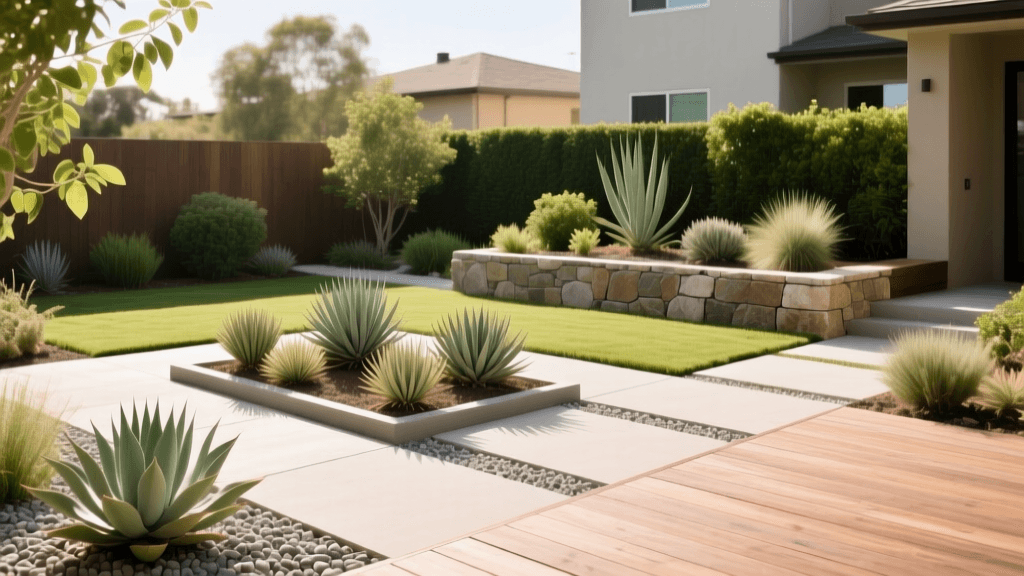
Designing a Pest-Resistant Landscape: IPM Planning
The Intersection of Landscape Design and Pest Control
When most homeowners think of pest control, they picture reactive treatments: spraying aphids off roses, baiting for rodents, or applying fungicides to a patch of brown lawn. However, true Integrated Pest Management (IPM) begins long before the first pest appears. It starts on the drafting table. Designing a pest-resistant landscape is a proactive approach that utilizes hardscaping, strategic plant placement, and microclimate management to create an environment where pests struggle to survive and beneficial insects thrive. By integrating IPM principles into your landscape architecture, you can drastically reduce the need for chemical interventions, save thousands of dollars in long-term maintenance, and cultivate a healthier, more resilient outdoor space.
Site Assessment and Microclimate Mapping
Before drawing a single planter or laying a patio stone, a thorough site assessment is critical. Pests are deeply influenced by microclimates—small areas within your yard where temperature, moisture, and sunlight differ from the surrounding environment. For example, a densely shaded, poorly drained corner of the yard is a breeding ground for fungal pathogens like powdery mildew and a haven for slugs and snails. Conversely, a hot, dry, south-facing slope might invite spider mites and drought-stressed borers.
During the planning phase, map your yard's sun exposure, soil drainage rates, and prevailing winds. Use percolation tests to determine drainage. If an area retains water for more than 24 hours after a heavy rain, it must be regraded or transformed into a rain garden utilizing moisture-loving, pest-resistant native plants. Proper grading not only protects your home's foundation from water damage but also eliminates the stagnant moisture that attracts fungus gnats, mosquitoes, and subterranean termites.
Strategic Hardscaping to Deter Pests
The 18-Inch Foundation Buffer
One of the most effective structural defenses against structural pests is the creation of an 18-inch hardscape buffer around the perimeter of your home. Subterranean termites and wood-destroying organisms require moisture and concealed pathways to enter a structure. Mulch piled against siding provides both. By designing an 18-inch wide border of 3/4-inch washed crushed stone or gravel around your foundation, you create a dry, exposed barrier that termites cannot easily tunnel through and rodents are hesitant to cross.
- Material: 3/4-inch washed crushed stone (avoid pea gravel, as it shifts too easily and can trap moisture beneath weed fabric).
- Depth: 2 to 3 inches deep over a permeable geotextile weed barrier.
- Estimated Cost: $2.50 to $4.50 per square foot, including materials and labor.
Lighting Choices and Insect Behavior
Landscape lighting dramatically impacts nocturnal insect activity. Many flying insects, including moths and beetles, exhibit positive phototaxis, meaning they are drawn to light sources. Traditional mercury vapor or cool-white LED bulbs emit high levels of blue and ultraviolet light, which are highly attractive to insects. When planning your lighting design, specify warm-toned LEDs with a color temperature of 2700K to 3000K. These bulbs emit a yellowish hue that is significantly less visible to most insects. Furthermore, position downlighting in trees rather than uplighting, which acts as a beacon for flying pests from miles away.
Plant Zoning and Selection for Natural Resistance
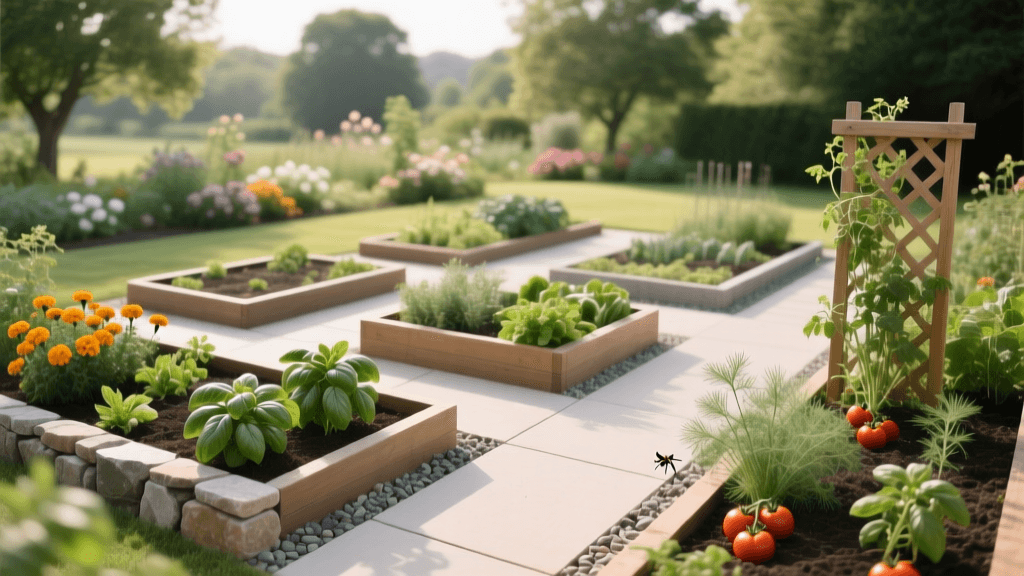
Plant selection is the cornerstone of biological IPM. Designing with pest-resistant cultivars and utilizing companion planting zones can naturally suppress pest populations. For instance, interplanting French marigolds (Tagetes patula) near vegetable gardens or susceptible ornamentals can help suppress root-knot nematodes in the soil, as the marigold roots release alpha-terthienyl, a natural nematicide.
Below is a strategic planting guide to help you zone your landscape for maximum resistance:
| Plant Category | Pest-Resistant Option (Plant These) | Susceptible Option (Avoid These) | Target Pest Deterred |
|---|---|---|---|
| Shade Trees | Ginkgo biloba (Maidenhair Tree) | Green Ash (Fraxinus pennsylvanica) | Emerald Ash Borer, Japanese Beetles |
| Foundation Shrubs | Boxwood (Buxus sempervirens 'Suffruticosa') | Japanese Yew (Taxus cuspidata) | Black Vine Weevil, Root Rot |
| Groundcovers | Creeping Thyme (Thymus serpyllum) | English Ivy (Hedera helix) | Slugs, Snails, Rodent Harborage |
| Perennial Borders | Allium species (Ornamental Onions) | Daylilies (Hemerocallis) | Aphids, Deer, Rabbits |
| Lawn Alternatives | Microclover (Trifolium repens 'Pirouette') | Kentucky Bluegrass (in drought zones) | White Grubs, Chinch Bugs |
Spacing and Airflow Dynamics
Overcrowding is a primary catalyst for fungal and bacterial diseases. When designing planting beds, resist the urge to space plants closely for an 'instant landscape' effect. Calculate the mature width of the plant and add 15% to the spacing requirement to ensure adequate airflow. For example, if a shrub's mature spread is 4 feet, space the centers of the plants at least 4.5 to 5 feet apart. This 30% canopy openness allows morning dew to evaporate rapidly, depriving fungal spores like black spot and powdery mildew of the prolonged leaf wetness they need to germinate.
Mulching Strategies and Trunk Protection
Mulch is essential for soil moisture retention and weed suppression, but improper application invites disaster. The dreaded 'mulch volcano'—piling mulch high against the trunk of a tree—keeps the bark constantly wet, leading to collar rot and inviting wood-boring insects. When planning your mulching strategy, mandate a 3-inch layer of organic arborist wood chips, but enforce a strict 6-inch 'donut' clearance around the base of all tree trunks and woody shrubs. This dry zone prevents rodent girdling during the winter and stops fungal pathogens from entering through the root flare.
Water Feature Planning and Mosquito Mitigation
Water features add immense value and tranquility to a landscape design, but they are prime real estate for mosquitoes. The key to IPM-compliant water design is movement and depth. Mosquitoes require stagnant, shallow water to lay their eggs. If designing a pond, ensure a minimum depth of 2 feet in at least one zone to accommodate predatory fish like Gambusia (mosquitofish) or koi, which will consume mosquito larvae. For smaller features like birdbaths or fountains, integrate a recirculating pump to keep the water agitated. If a feature must remain still, plan for the monthly application of BTI (Bacillus thuringiensis israelensis) dunks, a naturally occurring soil bacterium that targets mosquito and fungus gnat larvae without harming pets, birds, or beneficial insects.
Implementation Timeline and Budgeting
Integrating IPM into landscape design requires a phased approach. The optimal time to implement hardscaping and foundation buffers is during the late fall or early spring when the ground is workable but pests are dormant. Planting should align with the specific dormancy cycles of your chosen cultivars to minimize transplant shock and subsequent pest vulnerability. Budget-wise, allocating an additional 10% to 15% of your total landscaping budget toward IPM-specific materials (such as washed gravel buffers, warm-tone LEDs, and premium disease-resistant cultivars) will yield a massive return on investment by eliminating the need for seasonal exterminator contracts, which typically cost between $400 and $800 annually.
According to the University of California Agriculture and Natural Resources (UC ANR) Statewide Integrated Pest Management Program, modifying the landscape design to eliminate pest habitats and favor natural enemies is the most cost-effective, long-term strategy for garden pest control. 'Pest-resistant plants and proper cultural practices, such as appropriate irrigation and mulching, form the first line of defense in any successful IPM program.'
— UC ANR IPM Guidelines for Landscape Design and Maintenance
By viewing pest control not as a chemical chore, but as a fundamental design parameter, you empower your landscape to defend itself. A well-planned garden works in harmony with local ecology, utilizing physical barriers, strategic plant biology, and smart hardscaping to create a beautiful, thriving, and naturally resilient outdoor sanctuary.