Pest Control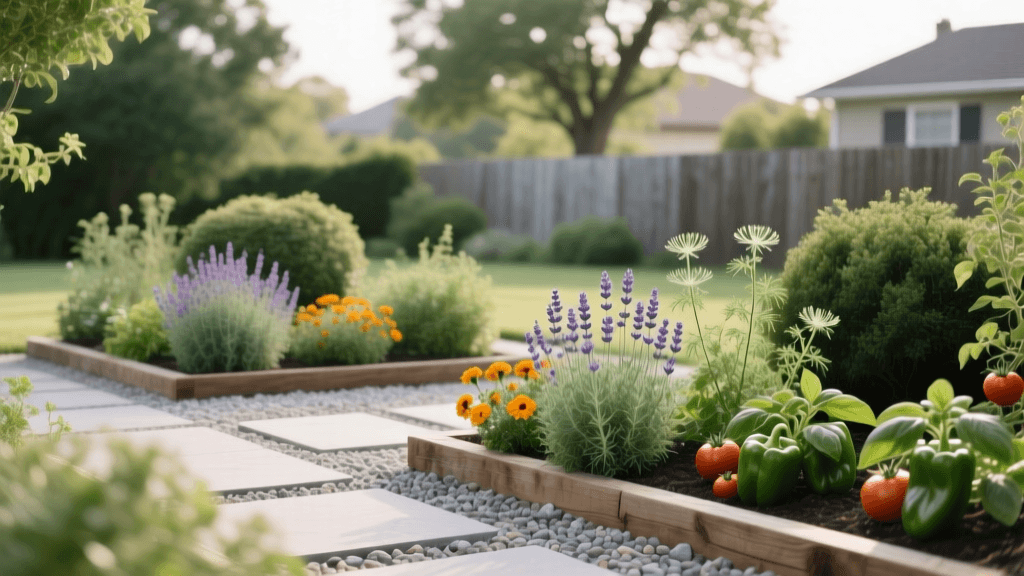
Pest-Resistant Landscape Design: An IPM Planning Guide
The Foundations of Pest-Resistant Landscape Design
When most homeowners think of pest control, they imagine reactive measures: spraying chemicals after an infestation has already taken hold. However, the most effective and sustainable approach to managing lawn and garden pests begins long before the first seed is sown or the first shrub is planted. Integrated Pest Management (IPM) is a holistic, ecosystem-based strategy that focuses on long-term prevention of pests or their damage through a combination of techniques. By applying IPM principles to your landscape design and planning phase, you can create an outdoor space that is naturally resilient to common invaders, reducing your reliance on costly and potentially harmful chemical interventions.
The core philosophy of pest-resistant landscape design is rooted in the concept of 'Right Plant, Right Place.' A plant that is sited in an environment matching its specific sun, soil, and moisture requirements will naturally possess a robust immune system, making it far less susceptible to sap-sucking insects, fungal pathogens, and boring beetles. Conversely, a stressed plant emits volatile organic compounds (VOCs) that actually attract pests. Therefore, your first step in IPM planning is a rigorous site assessment.
Site Assessment and Microclimates
Before purchasing any materials, map your yard's microclimates. Observe how water drains after a heavy rain, identify areas of dense shade, and test your soil pH and composition. For example, planting a moisture-loving fern in a dry, sunny bed will result in chronic stress, inevitably inviting spider mites and aphids. By matching plant hardiness and cultural requirements to your specific site conditions, you eliminate the primary trigger for pest outbreaks. The Cornell University Resource Guide for Organic Insect and Disease Management heavily emphasizes that cultural controls, starting with proper site selection, form the bedrock of any successful organic pest management program.
Zoning Your Garden for Natural Pest Control
Strategic zoning involves dividing your landscape into distinct management areas based on plant susceptibility and pest pressure. High-value areas, such as vegetable gardens or prized ornamental beds, should be placed in highly visible zones where daily monitoring is easy. This allows you to spot early signs of damage, such as the skeletonized leaves left by Japanese beetles or the sticky honeydew produced by aphids, before populations explode.
Hardscaping as a Physical Barrier
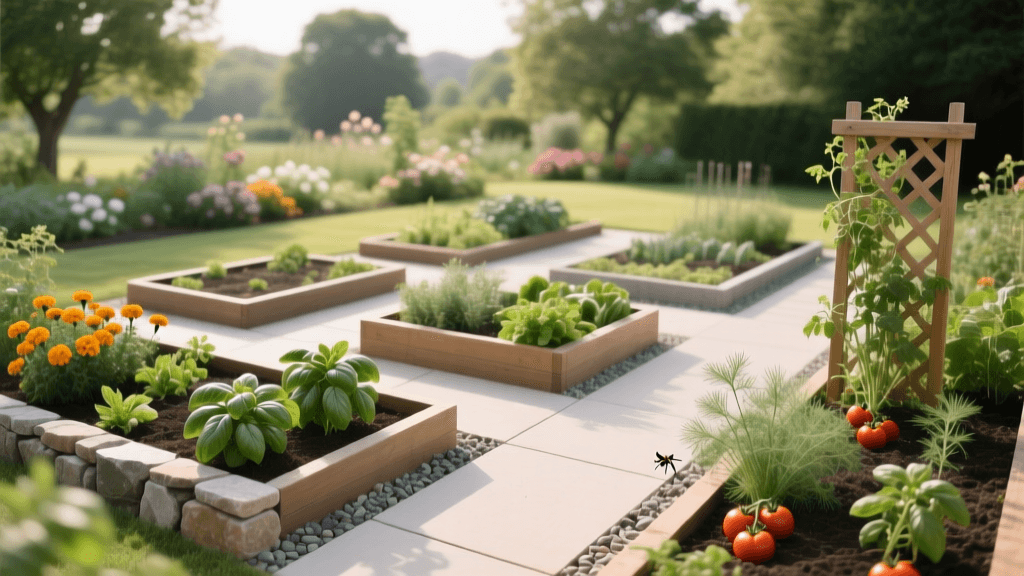
Hardscaping elements are not just aesthetic; they are vital tools in your IPM arsenal. Soft-bodied pests like slugs and snails are notorious for decimating hostas, lettuce, and marigolds. You can design physical barriers directly into your garden beds. Installing a 12-inch wide, 2-inch deep border of sharp, crushed gravel (such as 3/4-inch crushed granite, which costs approximately $50 to $80 per ton) around vulnerable beds creates an abrasive surface that deters slugs and snails from crossing. Similarly, utilizing copper tape (approx. $15 per 30-foot roll) along the edges of raised cedar beds creates a mild electrical charge when slug slime contacts the metal, providing a non-toxic, highly effective physical barrier.
Strategic Plant Selection and Companion Planting
Companion planting is a time-tested design strategy where specific plants are grown in close proximity to deter pests, attract beneficial insects, or disrupt pest life cycles. By integrating these botanical allies into your landscape blueprint, you create a multi-layered defense system. Aromatic herbs and alliums are particularly effective at masking the scent of vulnerable host plants, confusing pests that rely on olfactory cues to find their food.
| Target Pest | Deterrent Plant | Mechanism of Action | Recommended Spacing |
|---|---|---|---|
| Aphids | Garlic and Chives | Sulfur compounds mask host plant scents | 6-8 inches apart |
| Slugs and Snails | Lavender and Rosemary | Aromatic oils and tough foliage repel | 18-24 inches apart |
| Japanese Beetles | Catnip and Tansy | Nepetalactone and volatile oils deter feeding | 12-18 inches apart |
| Root-knot Nematodes | French Marigolds | Roots release alpha-terthienyl, suppressing populations | 8-10 inches apart |
When planning your garden beds, interplant these deterrents among your more susceptible species. For instance, surrounding your prized rose bushes with a dense underplanting of alliums and lavender not only provides a beautiful visual contrast but also significantly reduces the incidence of aphid and thrip damage.
Designing Habitats for Beneficial Insects
A truly pest-resistant landscape does not aim to eradicate all insects; rather, it seeks to maintain a balanced ecosystem where natural predators keep pest populations in check. To do this, your design must include 'insectary plants' that provide nectar, pollen, and shelter for beneficial insects like ladybugs, lacewings, parasitic wasps, and ground beetles.
Insectary Plants and Shelter
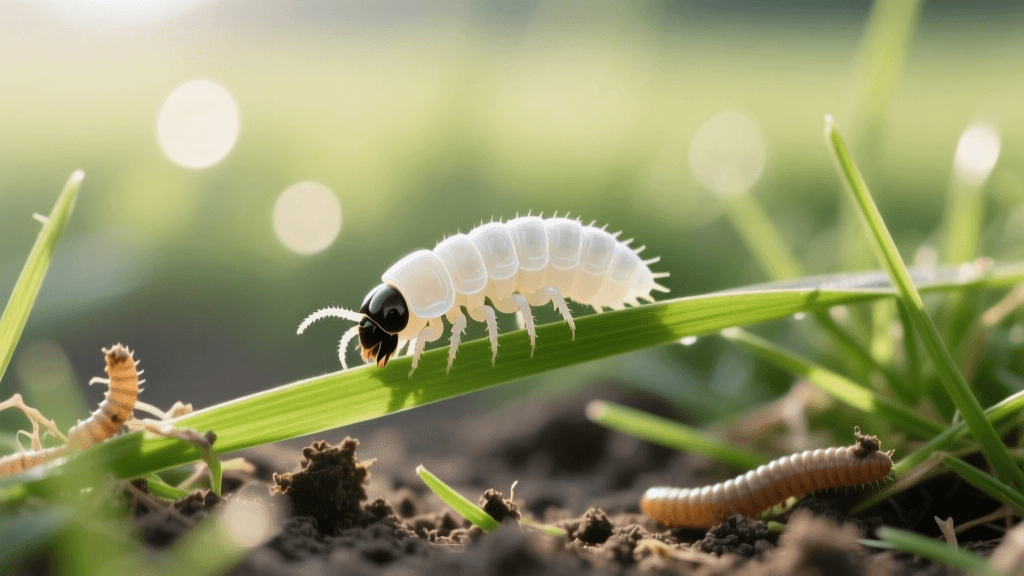
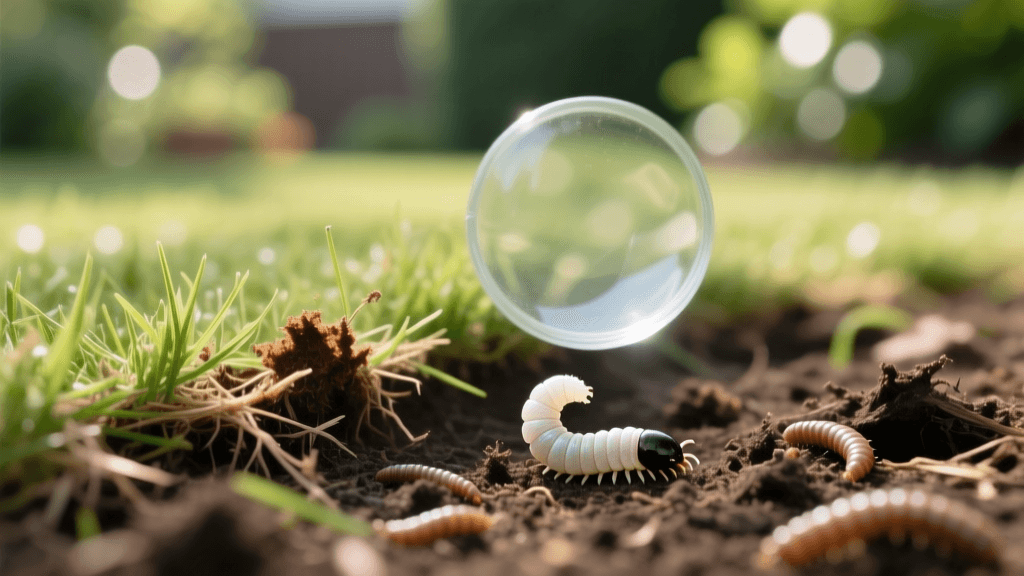
Incorporate plants with umbelliferous flowers, such as yarrow, dill, fennel, and sweet alyssum. These tiny, clustered flowers are perfectly shaped for the short mouthparts of parasitic wasps, which are crucial for controlling caterpillar and aphid populations. Additionally, design 'beetle banks'—raised strips of native bunchgrasses—along the perimeters of your property. These provide overwintering habitats for predatory ground beetles, which consume vast quantities of slug eggs and soil-dwelling grubs. Leave some areas of bare, undisturbed soil to accommodate ground-nesting native bees and solitary wasps, which are vital pollinators and pest controllers.
Soil Health, Mulching, and Moisture Management
Pests are opportunistic, and they thrive in environments with excessive moisture and poor air circulation. Your landscape design must prioritize proper drainage and strategic mulching to avoid creating ideal breeding grounds for fungal gnats, root rot pathogens, and moisture-loving insects.
Choosing the Right Mulch
Mulch is essential for weed suppression and moisture retention, but the wrong type or application can invite disaster. Avoid piling mulch against tree trunks or the siding of your home, as this creates a hidden, damp highway for termites, carpenter ants, and voles. Maintain a strict 6-inch mulch-free zone around the base of all woody plants and structures. Furthermore, consider the pest-repellent properties of your mulch. Cedar and cypress mulches contain natural oils (such as thujone) that repel ants, ticks, and moths. While cedar mulch is more expensive (typically $40 to $60 per cubic yard compared to $20 to $30 for standard hardwood), the investment pays off in reduced pest pressure. Apply mulch at a depth of 2 to 3 inches; any deeper, and you risk suffocating roots and creating anaerobic conditions that attract fungus gnats.
Landscape Lighting and Water Features
Often overlooked in pest management planning, exterior lighting and water features can inadvertently act as pest magnets if not designed with IPM in mind.
Deterring Nocturnal Pests
Standard mercury vapor or cool-white LED bulbs emit high levels of ultraviolet (UV) and blue light, which are highly attractive to nocturnal insects, including moths, beetles, and mosquitoes. These insects, in turn, attract bats and spiders to your living spaces. When planning your landscape lighting, specify warm-colored LEDs (2700K or lower) or specialized yellow 'bug lights' (such as the Feit Electric LED Bug Light, costing around $8 per bulb). These emit wavelengths in the yellow and red spectrum, which are virtually invisible to most insects, drastically reducing the swarm of pests around your patio and entryways.
Water Features and Mosquito Control
Standing water is the primary breeding ground for mosquitoes. If your design includes water features, ensure they are equipped with recirculating pumps or aeration devices, as mosquitoes only lay eggs in stagnant water. For ornamental ponds, plan to introduce biological controls like Gambusia affinis (mosquitofish) or apply Bti (Bacillus thuringiensis israelensis) dunks. Bti is a naturally occurring soil bacterium that specifically targets mosquito and black fly larvae without harming fish, birds, or beneficial insects. A standard Bti dunk costs about $2 and treats 100 square feet of water for 30 days.
Expert Insights and Authoritative Guidelines
Designing a pest-resistant landscape is an ongoing process of observation and adaptation. The University of California Agriculture and Natural Resources (UC ANR) Integrated Pest Management Program provides extensive, peer-reviewed guidelines that underscore the importance of proactive design.
'Prevention is the first line of defense in Integrated Pest Management. Modifying the landscape design to eliminate pest habitats, improve plant vigor, and encourage natural enemies is vastly more cost-effective and environmentally sound than relying on reactive chemical interventions.'
— University of California Agriculture and Natural Resources (UC ANR) IPM Guidelines
By integrating these IPM planning strategies—from strategic companion planting and hardscape barriers to mindful lighting and soil management—you are not just designing a beautiful garden; you are engineering a resilient, self-regulating ecosystem. This proactive approach saves time, reduces long-term maintenance costs, and ensures your outdoor space remains a thriving sanctuary for you and the beneficial wildlife that call it home.