
Landscaping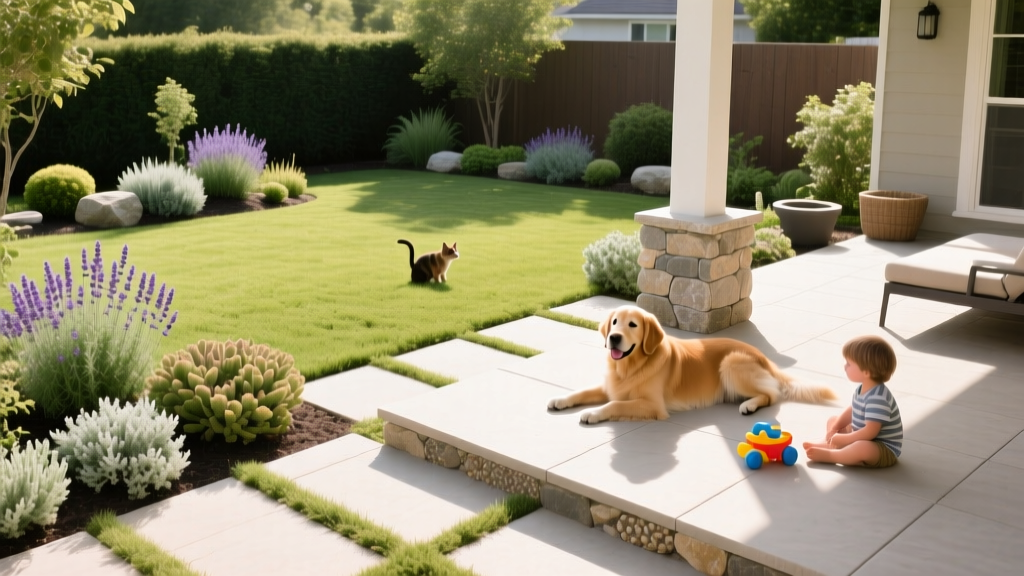
The Ultimate Guide to Pet-Friendly Landscaping and Hardscaping
Robert HayesPublished
Introduction to Pet-Friendly Landscaping
Designing a yard that accommodates a 70-pound Labrador Retriever and a toddler riding a tricycle requires a strategic approach to landscaping. Traditional manicured lawns and delicate flower beds often fall victim to digging paws, heavy foot traffic, and nitrogen-rich pet urine. However, by selecting resilient groundcovers, implementing safe hardscaping materials, and zoning your outdoor space, you can cultivate a beautiful, functional, and non-toxic environment for your entire family. In this comprehensive guide, we will explore actionable landscaping strategies, complete with material costs, installation measurements, and plant recommendations, to help you build the ultimate pet- and family-friendly yard.
Choosing Durable, Pet-Safe Groundcovers
The foundation of any family yard is the groundcover. Traditional Kentucky Bluegrass is notoriously susceptible to "dog spot" burn from urine and struggles to survive the heavy wear of daily play. When selecting a groundcover, you must weigh durability against maintenance and cost. Bermuda grass is a top-tier choice for warm climates due to its aggressive rhizome growth, which allows it to recover quickly from divots and torn sod. For cooler climates, a mix of Tall Fescue and Microclover is highly recommended. Microclover (Trifolium repens var. Pirouette) is a game-changer for pet owners. It fixes its own nitrogen, meaning it resists the burning effects of dog urine, and it stays green during mild droughts.
| Groundcover Type | Durability | Avg. Cost (per sq. ft.) | Maintenance Level | Best For |
|---|---|---|---|---|
| Bermuda Grass | High | $0.05 - $0.15 (Seed) | High (Mowing/Water) | Active dogs, sunny yards |
| Microclover | Medium-High | $0.10 - $0.20 (Seed) | Low (No fertilizer) | Eco-friendly, urine resistance |
| Artificial Turf | Very High | $8.00 - $15.00 (Installed) | Low (Rinsing/Brushing) | Heavy traffic, small spaces |
| Smooth River Rock | High | $1.00 - $3.00 | Low (Weeding) | Designated potty areas, borders |
If you have a small yard or a designated high-traffic "dog run," pet-specific artificial turf is a premium investment. Products like SYNLawn or K9Grass feature antimicrobial backing and superior drainage rates (often exceeding 40 inches of rain per hour). Installation requires excavating 3 to 4 inches of topsoil, laying a weed barrier, and compacting a 2-inch base of crushed angular gravel (like Class II road base) topped with 1 inch of decomposed granite. While the upfront cost is steep, it eliminates mowing, watering, and muddy paws.
Safe and Toxic Plants for Dogs and Kids
Curating a safe plant palette is critical. Curious puppies and toddlers frequently explore the world with their mouths. According to the ASPCA's Toxic and Non-Toxic Plants database, common landscaping staples like Sago Palm, Oleander, Azaleas, and Lily of the Valley are highly toxic to dogs and can cause severe gastrointestinal distress, liver failure, or cardiac arrest. Instead, opt for robust, non-toxic alternatives. Sunflowers (Helianthus annuus), Snapdragons (Antirrhinum majus), and Rosemary (Salvia rosmarinus) are safe, durable, and can withstand occasional trampling. For shaded areas, Boston Ferns and Spider Plants offer lush greenery without the toxicity risks. Always cross-reference your local nursery's stock with the ASPCA database before planting.
Hardscaping: Paw-Friendly and Non-Toxic Materials
Hardscaping defines the flow of your yard and provides mud-free zones for family activities. However, not all stone and mulch are safe for paws. Dark-colored stones, such as black basalt or dark slate, absorb immense heat during the summer. On a 90°F day, dark stone surfaces can exceed 140°F, which is hot enough to cause severe thermal burns on a dog's paw pads within seconds. Opt for light-colored, high-albedo materials like light flagstone, limestone, or smooth river rock. Smooth river rock (sized 1.5 to 3 inches) is excellent for dry creek beds and borders, as it is too large to be swallowed and lacks the sharp edges of crushed gravel that can cut paw pads.
When it comes to mulch, avoid cocoa bean mulch at all costs. The American Kennel Club (AKC) warns that cocoa mulch contains theobromine and caffeine—the same compounds that make chocolate toxic to dogs. Ingestion can lead to vomiting, tremors, and seizures. Instead, use natural cedar or pine bark mulch. Cedar has the added benefit of naturally repelling fleas and ticks due to its aromatic oils. Apply a 2-to-3-inch layer of cedar mulch to garden beds to retain moisture and suppress weeds, keeping it slightly away from the base of shrubs to prevent rot.
Creating a Sensory "Sniff Garden" and Digging Zone
Dogs experience the world primarily through scent. Incorporating a "sniff garden" or sensory zone can provide vital mental stimulation, reducing destructive behaviors born of boredom. Plant non-toxic, highly aromatic herbs like lavender, chamomile, and lemon balm along a winding pathway. You can also build a shallow "digging pit" filled with play sand. A 4x4 foot wooden frame filled with 12 inches of washed play sand costs roughly $50 to $80 to build and provides a designated, easily cleanable area for your dog's natural excavation instincts, saving your prized flower beds from destruction. Hide treats or favorite toys in the sand to encourage use.
Fencing and Securing the Perimeter
A secure perimeter is non-negotiable for families with dogs. A standard 4-foot fence may contain a Beagle, but athletic breeds like Huskies or German Shepherds require a minimum 6-foot privacy fence. To prevent digging escapes, install an "L-footer." This involves attaching a 2-foot wide strip of galvanized hardware cloth to the bottom of your fence, bending it at a 90-degree angle, and extending it inward into the yard. Bury it 2 inches deep or pin it down with landscape staples and cover it with mulch or soil. This creates an underground barrier that deters even the most determined diggers.
Maintenance Tips for a Healthy Family Yard
Maintaining a family-friendly yard requires shifting away from harsh synthetic chemicals. Synthetic herbicides and pesticides pose significant health risks to pets and children who play directly on the grass. The Environmental Protection Agency (EPA) recommends utilizing integrated pest management (IPM) and organic alternatives. For weed control, use horticultural vinegar (20% acetic acid) applied directly to weed foliage on sunny days, taking care to avoid your desirable turf. For fertilization, switch to organic, slow-release options like Milorganite or compost top-dressing. These not only feed the soil microbiome but are significantly safer if your dog decides to sample the lawn.
Furthermore, heavy play from children and pets severely compacts soil, suffocating grassroots and leading to bare, muddy patches. Core aeration should be performed annually in the early fall. Renting a core aerator costs approximately $80 to $100 per day. Follow aeration with a top-dressing of 1/4 inch of screened compost to improve soil structure and drainage. If you do spot-treat with chemicals, strictly adhere to the re-entry intervals listed on the label and water the product in thoroughly before allowing pets outside.
Conclusion
Designing a pet- and family-friendly landscape is an exercise in thoughtful material selection and strategic zoning. By choosing resilient groundcovers like Microclover, avoiding toxic flora and mulch, utilizing light-colored and smooth hardscaping, and securing your perimeter with dig-proof fencing, you can create an outdoor sanctuary. This space will not only elevate your property's curb appeal but also provide a safe, enduring playground for your children and four-legged companions for years to come.

