
Landscaping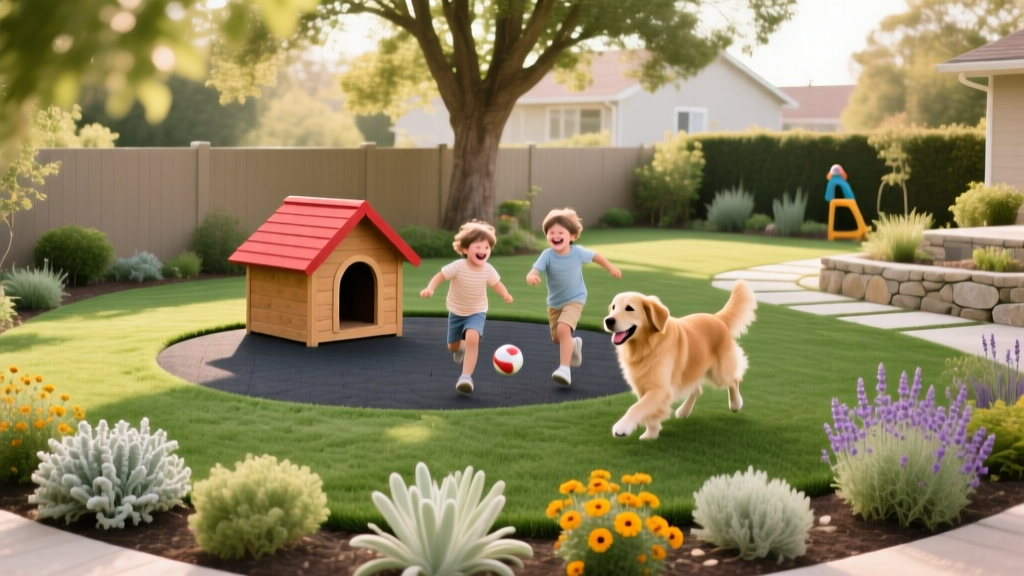
Pet-Friendly Landscaping: Safe Yard Design for Families
David ParkPublished
The Ultimate Guide to Pet and Family-Friendly Landscaping
Designing a landscape that caters to both your aesthetic preferences and the practical needs of your family and pets is one of the most rewarding challenges in home improvement. A truly family-friendly yard goes beyond merely planting a few flowers and laying down sod; it requires a deep understanding of traffic patterns, material toxicity, and durable horticulture. Whether you are managing the heavy foot traffic of energetic children or the enthusiastic digging habits of a terrier, your outdoor space must be a safe, resilient sanctuary.
In this comprehensive guide, we will explore actionable landscaping strategies, from selecting urine-resistant turf to designing engaging play zones, ensuring your yard remains a beautiful and safe haven for every member of your household.
Selecting High-Traffic Ground Covers
The foundation of any family-friendly landscape is the ground cover. Traditional lawns often struggle to survive the concentrated foot traffic and pet urine that accompany active households. When selecting a ground cover, you must balance durability, maintenance requirements, and safety.
Turfgrass Varieties for Active Yards
If you prefer a natural grass lawn, opt for deep-rooted, traffic-tolerant species. Tall Fescue is an excellent choice for cool-season climates due to its deep root system and wear tolerance. For warmer regions, Bermudagrass and Zoysia offer exceptional recovery rates from physical damage. However, dog urine can cause nitrogen burn spots on these grasses. To mitigate this, train pets to use a designated gravel area, or immediately dilute the spot with water after they relieve themselves. To maintain these high-traffic lawns, implement a core aeration schedule every fall to relieve soil compaction caused by running and playing. Follow aeration with overseeding and a top-dressing of compost to ensure rapid recovery and thick, weed-resistant turf.
Alternative Ground Covers
For areas where grass simply will not grow, consider alternatives. Microclover is a fantastic, low-maintenance option that stays green during droughts, requires less mowing, and naturally resists urine burn. Creeping Thyme is another excellent choice for between stepping stones, offering a soft, fragrant, and non-toxic surface that handles light to moderate foot traffic.
Ground Cover Comparison Chart
| Ground Cover Type | Durability | Maintenance Level | Pet & Kid Safety | Est. Cost (per sq. ft.) |
|---|---|---|---|---|
| Tall Fescue | High | Moderate | High (Requires dilution for urine) | $0.15 - $0.25 (Seed/Sod) |
| Microclover | Moderate | Low | Very High (Urine resistant) | $0.10 - $0.20 (Seed) |
| Artificial Turf | Very High | Low | Moderate (Can get hot in summer) | $8.00 - $12.00 (Installed) |
| Pea Gravel | Very High | Low | High (Good drainage, easy to clean) | $1.00 - $2.00 |
Plant Selection: Navigating Toxicity
Curious toddlers and foraging pets often explore the yard with their mouths, making plant toxicity a primary concern. According to the ASPCA's Toxic and Non-Toxic Plants database, hundreds of common landscaping plants pose severe health risks to dogs, cats, and humans if ingested.
Plants to Strictly Avoid
- Sago Palm: Highly toxic to dogs; ingestion of even a few seeds can cause fatal liver failure.
- Oleander: A popular ornamental shrub in warm climates, every part of this plant is lethal if consumed.
- Foxglove and Lily of the Valley: These beautiful flowering plants contain cardiac glycosides, which can cause severe heart arrhythmias in pets and children.
- Yew (Taxus species): Often used as privacy hedges, yew berries and needles are extremely poisonous.
Safe, Family-Friendly Alternatives
Replace toxic flora with robust, non-toxic alternatives that provide visual interest without the danger. Snapdragons, Sunflowers, and Zinnias offer vibrant seasonal color. For structural shrubs, consider Camellias, Viburnum, or clumping varieties of Bamboo (ensure you install a root barrier to prevent aggressive spreading). If you want a sensory garden for children, plant herbs like Rosemary, Lavender, and Lemon Balm, which are safe, fragrant, and naturally deter some biting insects.
The Hidden Dangers of Mulch and Hardscaping
Hardscaping and mulching are essential for weed control and moisture retention, but they must be chosen with safety in mind.
The Cocoa Mulch Hazard
Cocoa bean mulch is prized for its rich, dark color and sweet chocolate scent. However, the American Kennel Club (AKC) warns that cocoa mulch contains theobromine and caffeine—the same compounds that make chocolate toxic to dogs. Ingestion can lead to vomiting, seizures, and even death. Always opt for safer alternatives like shredded hardwood, pine bark, or cedar mulch. Cedar has the added benefit of naturally repelling fleas and ticks.
Safe Hardscaping Materials
When designing patios and pathways, consider the thermal properties of your materials. Dark-colored stone and brick absorb immense amounts of heat, which can severely burn a dog's paw pads or a toddler's bare feet during the summer. Choose lighter-colored materials like travertine, light sandstone, or pale concrete pavers. Ensure all stone edges are tumbled or rounded to prevent cuts and scrapes from inevitable trips and falls.
Managing Water Features and Pool Safety
Water elements add tranquility to a landscape, but they present significant drowning risks for toddlers and pets. If you have a swimming pool, ensure it is surrounded by a self-closing, self-latching fence that meets local safety codes. For decorative water features, avoid steep-sided ponds. Instead, opt for a pondless waterfall or a bubbling rock fountain. These designs provide the soothing sound of moving water and attract local wildlife without creating a deep-water hazard. If you must have a traditional pond, install a heavy-duty, submerged metal grate just a few inches below the water surface to prevent accidental falls into deep water.
Creating Dedicated Play and Dig Zones
Rather than fighting your dog's instinct to dig or your child's desire to build forts, incorporate dedicated zones into your landscape design. This concept, often called "zscaping," directs high-impact activities to specific, easily maintainable areas.
The Canine Digging Pit
Build a designated digging area using a raised cedar planter box or a sunken sandbox frame measuring at least 4 feet by 4 feet. Fill it with a 50/50 mix of play sand and loose topsoil. Bury a few durable toys to encourage your dog to use this spot instead of your prized flower beds. Keep the sand slightly damp to make it more appealing for digging, and cover it when not in use to prevent neighborhood cats from using it as a litter box.
Child-Friendly Sensory and Play Paths
Create a winding pathway using varied textures to stimulate children's senses. Alternate between smooth river stones, soft creeping thyme, and smooth wooden stepping stones. Incorporate a "mud kitchen" area using repurposed stainless steel bowls and natural stone counters, positioned near a hose bib for easy cleanup.
"A successful family landscape doesn't restrict movement; it channels it. By providing clear, durable pathways and designated activity zones, you protect your delicate garden beds while giving kids and pets the freedom to explore safely."
Fencing and Boundary Solutions
Secure boundaries are non-negotiable for family and pet safety. When installing fencing, consider the specific behaviors of your pets.
- For Jumpers and Climbers: A minimum height of 6 feet is recommended for large, athletic breeds. Avoid chain-link fences, which provide easy toe-holds for climbing. Instead, use smooth wood panels or composite privacy fencing.
- For Diggers: Install an "L-footer" by burying chicken wire or hardware cloth 12 inches deep and bending it outward in an L-shape away from the yard. Alternatively, pour a concrete footer or place large river boulders along the fence line.
- Material Safety: Avoid using older, reclaimed pressure-treated wood that may contain Chromated Copper Arsenate (CCA), a toxic preservative containing arsenic. Opt for modern, naturally rot-resistant woods like cedar or redwood, or use vinyl and composite materials.
Sustainable and Safe Lawn Care Practices
The products you apply to your lawn directly impact the health of your family and pets, who spend hours rolling and playing on the grass. The Environmental Protection Agency (EPA) strongly advocates for Integrated Pest Management (IPM) and the reduction of synthetic chemical use in residential areas.
Organic Fertilization
Synthetic fertilizers often require a 24-to-48-hour drying period before it is safe for pets and children to re-enter the lawn. Transition to slow-release organic fertilizers, such as those based on feather meal, bone meal, or composted poultry manure. These not only eliminate the "waiting period" but also improve long-term soil biology.
Natural Pest and Weed Control
Instead of broad-spectrum synthetic herbicides and pesticides, utilize targeted, natural solutions. Apply corn gluten meal in early spring as a natural pre-emergent weed preventer. For pest control, use Milky Spore to target grub populations without harming earthworms or beneficial insects, and apply neem oil for localized aphid or mite infestations. Always read labels carefully, as even organic products like diatomaceous earth can irritate lungs if inhaled during application.
Conclusion
Designing a pet and family-friendly landscape is an exercise in thoughtful compromise and creative problem-solving. By selecting resilient ground covers, eliminating toxic plants, avoiding hazardous mulches, and establishing dedicated play zones, you can cultivate an outdoor environment that is as safe as it is beautiful. Your yard should be a place where memories are made, not a source of constant worry. Remember that a landscape is a living ecosystem that evolves with your family's needs. Regularly inspect your yard for new hazards, such as exposed roots, shifting hardscape materials, or invasive toxic weeds. Implement these strategies to transform your outdoor space into a thriving, durable sanctuary that welcomes every member of your family, whether they walk on two legs or four.

