Gardening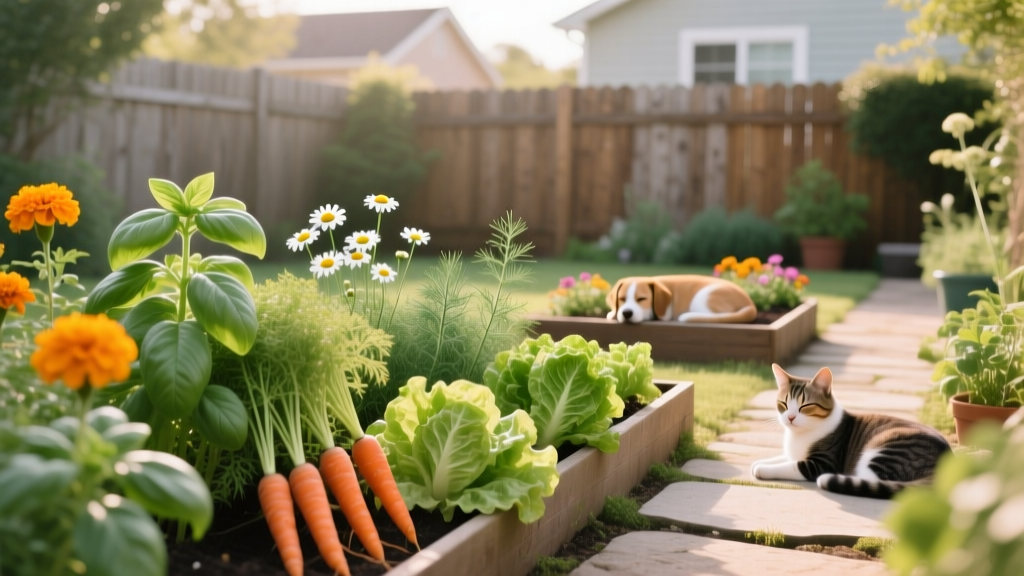
Pet-Safe Vegetable And Flower Companion Planting Guide
Lisa ThompsonPublished
Creating a Safe, Thriving Garden for Your Entire Family
When you share your home with dogs or cats, your garden is more than just a place to grow food and flowers—it is an extension of your living space and a playground for your pets. Traditional gardening often relies on companion planting strategies that pair specific vegetables with herbs and flowers to deter pests and improve yields. However, many classic companion plants, such as alliums (onions, garlic, chives) and certain nightshades, are highly toxic to pets. According to the ASPCA Toxic and Non-Toxic Plants List, accidental ingestion of garden plants is one of the leading causes of veterinary emergencies.
This comprehensive guide will help you design a vibrant, high-yield vegetable and flower garden using strictly pet-safe companion planting principles. We will cover non-toxic plant pairings, safe soil amendments, and actionable hardscaping tips to ensure your garden is a sanctuary for both your harvest and your furry family members.
The Hidden Dangers of Traditional Companion Planting
Many gardeners unknowingly introduce severe risks into their yards by planting common pest-deterrent herbs. For instance, planting chives near carrots to deter carrot rust flies is a classic technique, but chives contain organosulfoxides that are highly toxic to dogs and cats, causing hemolytic anemia. Similarly, using tansy or foxglove to repel insects introduces severe cardiac and neurological risks to curious pets.
According to the Pet Poison Helpline, spring and summer garden dangers—including toxic plants, cocoa mulch, and certain fertilizers—account for a massive spike in emergency veterinary calls every year.
To maintain a family-friendly yard, we must substitute these hazardous plants with non-toxic alternatives that offer the same ecological benefits, such as attracting beneficial pollinators, acting as trap crops, and masking the scent of vulnerable vegetables.
Top Pet-Safe Vegetables and Their Companions
Building a pet-safe vegetable garden starts with selecting crops that are non-toxic even if your dog decides to take a bite out of a leaf. Here are the best pet-safe vegetables and their ideal companion flowers:
1. Cucumbers and Nasturtiums
Cucumbers are entirely safe for dogs and cats, making them an excellent base crop. To protect them from aphids and cucumber beetles, plant nasturtiums as a companion. Nasturtiums act as a trap crop, drawing aphids away from your veggies. They are completely non-toxic to pets, and their peppery leaves are even edible for humans. Plant nasturtium seeds directly in the soil about two weeks before transplanting your cucumber seedlings, spacing them 12 inches apart.
2. Carrots and Rosemary
Carrots are a safe, crunchy treat for dogs. While many gardeners use alliums to protect carrots, rosemary is a brilliant, pet-safe alternative. Rosemary’s strong, piney scent masks the smell of carrots from pests like the carrot rust fly. Furthermore, rosemary is safe for dogs and cats and thrives in the same well-drained, sunny conditions as carrots. Plant established rosemary transplants at the corners of your carrot beds, allowing 18 inches of space for the shrub to mature.
3. Green Beans and Marigolds
Green beans are safe and nutritious for pets. To protect their shallow root systems from harmful soil nematodes, interplant with French marigolds (Tagetes patula). Marigold roots secrete a biochemical that suppresses root-knot nematodes. Marigolds are non-toxic to dogs and cats, though ingesting large amounts may cause mild stomach upset. Plant marigolds 8 inches apart between your bean rows in late spring after the danger of frost has passed.
Non-Toxic Flowers That Protect Your Veggies
Flowers are the engine of a successful companion planting garden. They attract predatory wasps, ladybugs, and essential pollinators. Here are the top pet-safe flowers to integrate into your garden beds:
- Zinnias: Excellent for attracting butterflies and pollinators. Zinnias are completely non-toxic to pets and add a massive splash of color to vegetable borders. Direct sow seeds 12 inches apart in full sun.
- Snapdragons: These cool-season flowers are safe for dogs and cats. They attract bumblebees, which are vital for pollinating crops like peas and beans. Plant them in early spring or late fall.
- Sunflowers: While technically a flower, sunflowers are great companions for cucumbers and melons, providing a natural trellis and attracting pollinators. The seeds are safe for pets, but be cautious of the sharp, dried seed heads in autumn which could poke a running dog's eyes.
- Alyssum: Sweet alyssum is a low-growing, pet-safe ground cover that attracts hoverflies. The larvae of hoverflies are voracious predators of aphids. Broadcast alyssum seeds around the base of your raised beds.
Quick Reference Chart: Safe vs. Toxic Plants
Use this chart to quickly audit your garden plans. For a more exhaustive list, always consult the ASPCA's official database before introducing a new species to your yard.
| Plant Category | Pet-Safe Options (Plant These) | Highly Toxic (Avoid These) |
|---|---|---|
| Vegetables | Carrots, Cucumbers, Peas, Zucchini | Green Tomatoes, Onions, Garlic, Leeks |
| Flowers | Zinnias, Marigolds, Snapdragons, Alyssum | Lilies, Foxglove, Oleander, Sago Palm |
| Herbs | Basil, Rosemary, Thyme, Dill | Chives, Oregano, Tarragon, Bay Laurel |
Hardscaping: Building Pet-Friendly Raised Beds
Even with safe plants, the physical structure of your garden matters. Dogs love to dig, and cats love to use loose soil as a litter box. Building structured raised beds is the most effective way to protect your root systems and keep your pets safe from soil-borne parasites.
Materials and Dimensions
Opt for untreated cedar or redwood. Avoid pressure-treated lumber, especially older stock treated with CCA (chromated copper arsenate), as the heavy metals and chemicals can leach into the soil and harm pets that chew on the wood or dig near the base. Untreated cedar typically costs $8 to $12 per linear foot and naturally resists rot and insects without toxic sealants.
For dimensions, build beds that are 4 feet wide by 8 feet long, allowing you to reach the center without stepping in the soil. To deter dogs from using the bed as a restroom, build the beds at least 18 inches deep. This height is slightly more difficult for smaller dogs to step into and keeps the soil contained.
Protecting the Base
Before adding soil, staple a layer of 1/2-inch galvanized hardware cloth to the bottom of the raised bed. This prevents gophers and moles from entering, but more importantly, it stops determined terriers and dachshunds from digging up into the bed from the outside. A standard 3x5 foot roll of hardware cloth costs around $25 at most home improvement stores.
Soil, Mulch, and Fertilizer Safety
The dangers in a family-friendly yard often lie not in the plants themselves, but in the amendments used to grow them. Many organic gardening staples are surprisingly dangerous to pets.
The Cocoa Mulch Hazard
Cocoa bean mulch smells like chocolate and is highly attractive to dogs. However, it contains theobromine and caffeine—the same toxic compounds found in dark chocolate. Ingestion can lead to vomiting, diarrhea, tremors, and even fatal seizures. Always avoid cocoa mulch. Instead, use pet-safe alternatives like shredded cedar bark or pine straw, which cost roughly $4 to $6 per 2-cubic-foot bag and provide excellent moisture retention without the toxicity.
Fertilizers to Avoid
Organic fertilizers like blood meal, bone meal, and feather meal are incredibly dangerous to dogs. The strong scent attracts them, and if ingested, bone meal can form a rock-hard mass in the stomach, causing severe gastrointestinal blockages or pancreatitis. Instead, choose vegan, plant-based organic fertilizers. Products like Espoma Organic Garden-tone (4-5-3 NPK) are derived from plant meals and are much less enticing to dogs, while still providing the slow-release nutrients your companion plants need to thrive.
Safe Soil Blends
When filling your raised beds, use a high-quality, sterile potting mix rather than native garden soil, which may contain roundworms or hookworms from local wildlife or neighborhood pets. A blend like Kellogg Garden Organics All Natural Garden Soil is a safe, compost-rich base. To improve drainage and aeration, mix in horticultural perlite at a ratio of 3 parts soil to 1 part perlite.
Final Thoughts on Garden Design
Creating a pet-safe garden does not mean sacrificing yield or beauty. By utilizing the synergistic relationships between non-toxic vegetables and protective flowers like marigolds and nasturtiums, you can build a resilient ecosystem that naturally deters pests. Always supervise your pets when they are in the garden, provide them with their own shaded lounging areas and fresh water, and consult authoritative resources like the Penn State Extension Companion Planting Guide and the ASPCA whenever you plan to introduce a new botanical element to your landscape. With careful planning, your garden can be a safe, bountiful paradise for every member of your family.
