Gardening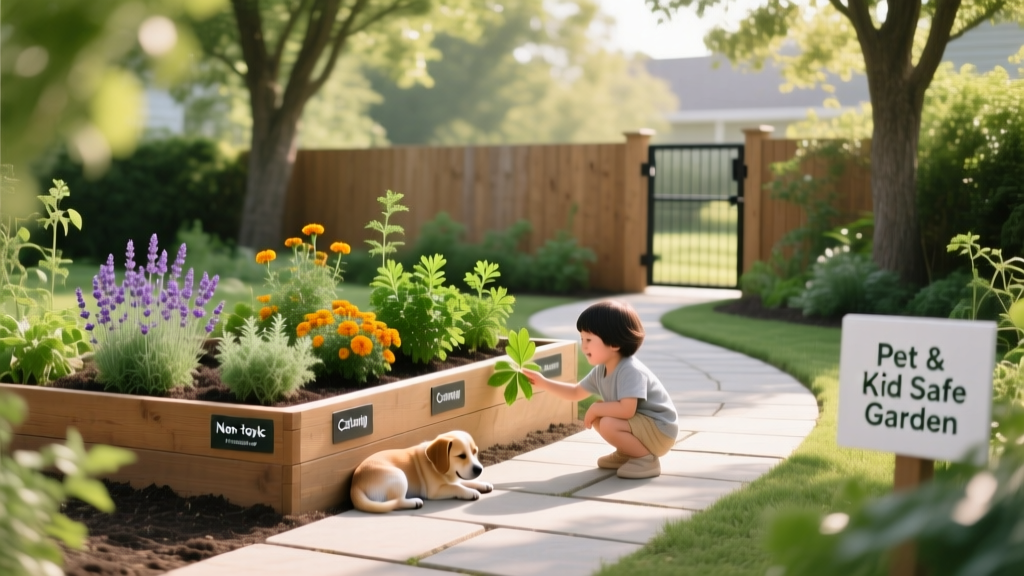
Pet-Safe Gardening: Non-Toxic Plants & Family Yard Tips
Anna KowalskiPublished
Designing a Pet-Safe and Kid-Friendly Garden
Creating a lush, productive garden is a rewarding endeavor, but for households with curious toddlers and energetic dogs or cats, the backyard can harbor hidden dangers. From toxic foliage and hazardous soil amendments to sharp tools and chemical pesticides, a standard garden is not always a safe playground. According to the ASPCA's Toxic and Non-Toxic Plants list, hundreds of common ornamental and vegetable plants can cause severe gastrointestinal distress, neurological issues, or even fatal organ failure in pets if ingested. Similarly, toddlers exploring the yard are prone to putting soil, leaves, and mulch into their mouths.
Fortunately, you do not have to sacrifice a beautiful, thriving landscape to keep your loved ones safe. By carefully selecting non-toxic plant varieties, utilizing organic and pet-safe soil amendments, and designing physical barriers like elevated raised beds, you can cultivate a stunning garden that serves as a safe haven for your entire family. This comprehensive guide will walk you through the essential steps to pet-proof and child-proof your garden without compromising on aesthetics or harvest yields.
Identifying and Removing Toxic Flora
The first step in creating a family-friendly yard is auditing your current plantings. Many beloved garden staples are highly toxic to dogs, cats, and humans. For instance, the Sago Palm, frequently used in landscaping, contains cycasin, which causes severe liver failure in dogs. Oleander, Foxglove, and Lily of the Valley contain cardiac glycosides that can be fatal even in small quantities. Tomato and Rhubarb leaves, while part of edible crops, contain solanine and oxalic acid respectively, which are dangerous if a toddler or pet decides to chew on them.
When planning your flower beds and vegetable patches, prioritize non-toxic alternatives. Sunflowers, Zinnias, Snapdragons, and Calendula are vibrant, pollinator-friendly, and completely safe if a puppy decides to take a bite. For shaded areas, Boston Ferns, Calatheas, and Spider Plants offer lush greenery without the risk. Always cross-reference new plant purchases with the Pet Poison Helpline before bringing them home from the nursery.
Quick Reference: Toxic vs. Safe Garden Plants
| Plant Category | Highly Toxic Varieties (Avoid) | Family-Safe Alternatives (Plant) |
|---|---|---|
| Ornamental Flowers | Oleander, Foxglove, Lily of the Valley, Delphinium | Zinnia, Snapdragon, Sunflower, Calendula, Marigold |
| Vegetable Garden | Rhubarb leaves, Tomato leaves, Potato leaves | Carrots, Peas, Lettuce, Cucumbers, Green Beans |
| Shrubs & Palms | Sago Palm, Azalea, Yew, Hydrangea | Boston Fern, Bamboo Palm, Calathea, Fuchsias |
The Dangers of Mulch, Fertilizers, and Soil Amendments
Plant selection is only half the battle; what you put into the soil is equally critical. Cocoa bean mulch is a popular landscaping choice due to its rich, dark color and pleasant chocolate scent. However, it contains theobromine and caffeine—the same compounds that make chocolate toxic to dogs. Ingestion can lead to vomiting, diarrhea, rapid heart rate, and seizures. Instead, opt for pet-safe mulches like shredded pine, cedar, or untreated hardwood bark, which also help retain soil moisture and deter certain insects.
Fertilizers present another major hazard. Synthetic fertilizers often contain high levels of nitrogen and salts that can cause chemical burns on paw pads and severe gastrointestinal upset if licked. Furthermore, organic fertilizers like bone meal, blood meal, and feather meal are incredibly enticing to dogs due to their strong scents. Ingesting large quantities of bone meal can form a solid, cement-like mass in the dog's stomach, requiring surgical removal, while blood meal can cause severe iron toxicity and pancreatitis.
Safe Alternatives: Transition to fully plant-based or composted fertilizers. Products like Espoma Organic Plant-tone or Charlie's Compost are excellent, slow-release options that improve soil biology without attracting pets. Always water liquid or granular fertilizers deeply into the soil immediately after application to wash residues off grass blades and reduce surface exposure.
Composting Safely Around Pets and Toddlers
Composting is a cornerstone of sustainable gardening, providing free, nutrient-rich humus for your raised beds. However, an open compost pile can be a dangerous attraction for pets and children. As organic matter decomposes, it can harbor mold that produces tremorgenic mycotoxins. If a dog ingests moldy compost, it can lead to severe tremors, seizures, and hyperthermia within minutes. Additionally, compost piles often contain discarded food scraps like onions, garlic, grapes, and raisins, all of which are highly toxic to dogs.
To compost safely, invest in a fully enclosed, tumbling composter. Models like the FCMP Outdoor IM4000 Tumbling Composter (typically priced around $100 to $130) elevate the compost off the ground and feature locking doors that prevent curious paws and little hands from accessing the decaying matter. Tumbling composters also accelerate the decomposition process, yielding finished compost in as little as 4 to 6 weeks during the warm summer months.
Constructing Secure, Untreated Raised Garden Beds
Raised garden beds are the ultimate solution for family-friendly gardening. They define clear boundaries for children and pets, improve soil drainage, and reduce the need for bending over. When building raised beds, material selection is paramount for health and safety.
- Avoid Old Pressure-Treated Wood: Wood treated with Chromated Copper Arsenate (CCA) was phased out in 2003, but older reclaimed lumber may still leach arsenic into your vegetable soil.
- Choose Untreated Cedar or Redwood: These woods are naturally rot-resistant and insect-repellent without the need for chemical treatments. A standard 4-foot by 8-foot bed built with 2-inch thick cedar boards will cost approximately $150 to $220 in materials.
- Optimal Dimensions: Build beds that are 4 feet wide (allowing easy reach from either side without stepping in the soil) and 18 to 24 inches high. A 24-inch height acts as a natural physical barrier that deters most dogs from stepping into the bed and keeps toddlers from easily grabbing delicate seedlings.
- Hardware Cloth Bases: Line the bottom of your raised beds with 1/2-inch galvanized hardware cloth to prevent burrowing rodents from entering the bed and to stop dogs from digging up your root vegetables from below.
Designating Digging Zones and Sensory Paths
Rather than constantly reprimanding a dog for digging or a child for trampling flower beds, incorporate interactive zones into your landscape design. Dogs dig for entertainment, to cool off, or to hunt burrowing insects. Create a designated 'digging sandbox' in a shaded corner of the yard. Fill a shallow, 4-foot by 4-foot wooden frame with play sand and bury durable rubber toys or treats just beneath the surface. Praise and reward your dog when they use this specific area, effectively redirecting their natural instincts away from your prized vegetable garden.
For children, design a 'sensory path' using safe, tactile, and aromatic plants. Lamb's Ear (Stachys byzantina) offers soft, fuzzy leaves that are irresistible to little hands. Planting pathways with creeping thyme, chamomile, and peppermint releases delightful fragrances when stepped on or brushed against, engaging a child's sense of smell and creating a magical, interactive garden experience.
Integrated Pest Management (IPM) for Family Yards
When pests inevitably arrive, families must avoid broad-spectrum synthetic pesticides, which leave toxic residues on lawns and edible crops. The Environmental Protection Agency (EPA) strongly advocates for Integrated Pest Management (IPM), a strategy that focuses on long-term prevention and biological controls rather than chemical eradication.
Actionable IPM Strategies:
- Beneficial Nematodes: Apply these microscopic organisms to your lawn in early spring and late summer to naturally destroy grub populations, eliminating the food source that attracts digging raccoons and skunks.
- Neem Oil and Insecticidal Soaps: For aphids and mites on your roses or vegetables, use cold-pressed neem oil or potassium-salt-based insecticidal soaps. These break down rapidly in sunlight and are safe for humans and pets once the spray has dried.
- Companion Planting: Plant marigolds, nasturtiums, and alliums around the perimeter of your vegetable beds to naturally repel nematodes, beetles, and aphids while attracting essential pollinators.
Pro Tip: Always apply any garden treatments—even organic ones like neem oil or diatomaceous earth—in the early evening when pollinators are inactive and children or pets are indoors. This allows the product to settle and dry safely before the yard is used again the next morning.
By thoughtfully selecting your plants, securing your soil amendments, and designing your landscape with physical boundaries and interactive zones, you can cultivate a vibrant, productive garden that brings joy to your family without compromising their safety.
