
Landscaping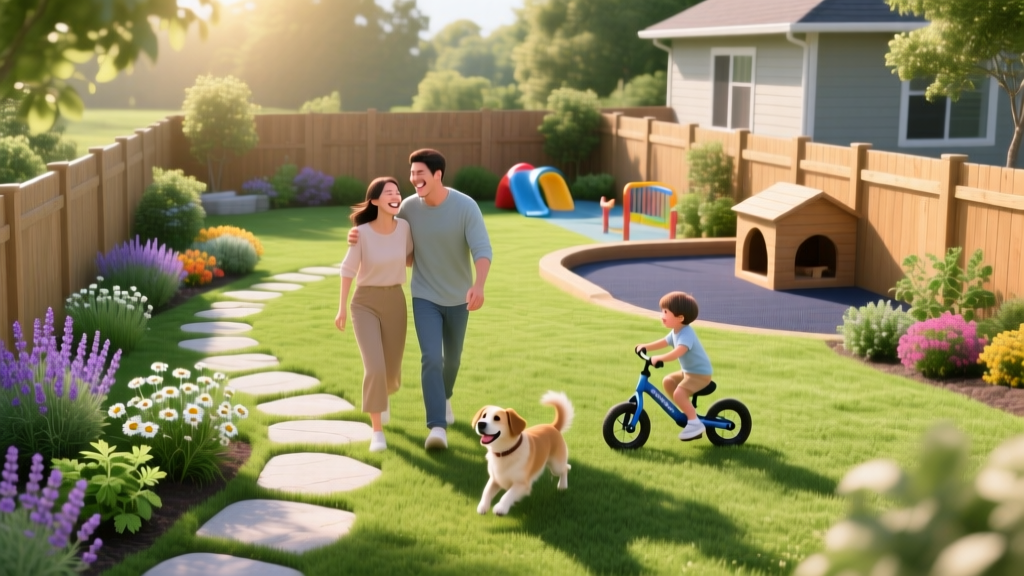
Designing a Pet-Safe and Family-Friendly Backyard Landscape
Robert HayesPublished
Creating a Harmonious Outdoor Space for Every Family Member
Designing a beautiful landscape is a rewarding endeavor, but when you share your home with energetic children and curious pets, aesthetics must be balanced with safety and durability. A pristine, delicate garden bed or a fragile ornamental lawn simply will not survive the foot traffic of a backyard soccer game or the enthusiastic digging of a golden retriever. Fortunately, you do not have to sacrifice curb appeal to create a functional outdoor living space. By selecting the right turfgrass, incorporating non-toxic flora, utilizing safe hardscaping materials, and establishing designated play zones, you can cultivate a thriving, resilient landscape that serves as a safe haven for your entire family.
This comprehensive guide will walk you through the essential principles of pet-safe and family-friendly landscaping, providing actionable advice, specific material recommendations, and expert insights to help you transform your backyard into a secure and beautiful retreat.
The Foundation: Selecting Durable, Pet-Resistant Turfgrass
The lawn is the centerpiece of family outdoor activities, serving as a playing field for kids and a sprawling runway for dogs. However, high traffic, compaction, and pet urine can quickly turn a lush lawn into a patchy, muddy eyesore. Choosing a turfgrass with high wear tolerance and rapid recovery rates is critical for a family-friendly yard.
For warm-season climates, Bermuda grass and Zoysia grass are exceptional choices. Both feature dense, deep root systems that withstand heavy foot traffic and recover quickly from damage. Zoysia is particularly noted for its thick, carpet-like growth, which naturally chokes out weeds and feels soft under bare feet. In cool-season regions, Tall Fescue is the undisputed champion of durability. Its bunch-type growth habit and deep roots make it highly resistant to drought and dog urine spots, which often plague more delicate grasses like Kentucky Bluegrass.
| Grass Type | Climate Zone | Traffic Tolerance | Urine Resistance | Maintenance Level |
|---|---|---|---|---|
| Bermuda Grass | Warm / Southern | Excellent | Moderate | High (Frequent mowing) |
| Zoysia Grass | Warm / Transition | Very Good | Good | Moderate |
| Tall Fescue | Cool / Northern | Excellent | Very Good | Moderate |
| Perennial Ryegrass | Cool / Northern | Very Good | Moderate | High |
Plant Selection: Beautifying Without the Toxicity
When designing garden beds and borders, plant toxicity is a primary concern. Dogs and toddlers explore the world with their mouths, and ingesting even a small amount of certain common ornamental plants can lead to severe veterinary or medical emergencies. Before purchasing any shrubs, perennials, or annuals, always cross-reference your choices with the ASPCA's comprehensive list of toxic and non-toxic plants.
Plants to Strictly Avoid
Several popular landscape plants are highly toxic to both pets and humans. Sago Palm, often used in warm-climate landscaping, is extremely toxic to dogs, causing liver failure even if only a few seeds are ingested. Oleander, Foxglove, Lily of the Valley, and Azaleas contain cardiac glycosides or grayanotoxins that can cause fatal heart arrhythmias. Additionally, many bulb flowers like Tulips, Daffodils, and Hyacinths harbor toxic compounds concentrated in their underground bulbs, which are prime targets for digging dogs.
Safe and Stunning Alternatives
You can achieve vibrant color and lush textures without the risk. Consider planting Sunflowers, Snapdragons, and Zinnias for bright, pet-safe annual color. For evergreen structure and borders, Boston Ferns, Camellias, and Bamboo Palms are excellent non-toxic choices. If you want aromatic herbs that deter pests and are safe for curious sniffers, Rosemary, Thyme, and Basil are fantastic additions to your family-friendly garden beds.
Hardscaping and Mulch: Hidden Dangers in the Garden Bed
Mulch is essential for retaining soil moisture and suppressing weeds, but the type of mulch you choose can have serious safety implications. Cocoa bean mulch, a byproduct of chocolate production, emits a sweet aroma that is highly attractive to dogs. However, it contains theobromine and caffeine—the same compounds that make chocolate toxic to pets. Ingestion can lead to vomiting, diarrhea, rapid heart rate, and seizures. The Pet Poison Helpline strongly advises against using cocoa mulch in any yard accessible to dogs.
Instead, opt for untreated cedar or pine bark mulch. Cedar has the added benefit of naturally repelling fleas and ticks. For play areas and pathways, consider using pea gravel or river rock. Pea gravel is smooth, provides excellent drainage, and does not splinter like wood mulch. However, avoid using small gravel near toddlers who might be prone to putting stones in their mouths; in those areas, shredded cedar or soft playground sand is a safer alternative.
When designing hardscaping patios and pathways, consider the thermal properties of your materials. Dark-colored stones and asphalt can reach temperatures high enough to blister a dog's paw pads or a child's bare feet on a hot summer day. Choose light-colored flagstone, concrete pavers, or natural limestone, which reflect sunlight and remain significantly cooler.
Designing Functional Zones for Kids and Pets
A successful family landscape incorporates 'zoning'—dedicating specific areas for specific activities to protect your prized garden beds from destruction.
The Potty Patch and Digging Zones
Dog urine is high in nitrogen, which causes 'burn spots' on turfgrass. To protect your main lawn, train your dog to use a designated potty patch. This area can be surfaced with pea gravel, mulch, or Dutch white clover. Clover is highly resilient, stays green during droughts, and does not burn easily from nitrogen-rich urine.
If your dog is an avid digger, redirect this natural instinct by building a dedicated digging box. Construct a simple 4-foot by 4-foot wooden frame and fill it with a mixture of loose topsoil and play sand. Bury a few of their favorite toys in the sand to encourage use. This simple addition can save your meticulously landscaped flower beds from being excavated.
Perimeter Security and Fencing
Security is paramount in a family-friendly yard. A standard 4-foot fence may contain a toddler, but it will not stop an athletic dog. For medium to large breeds, a 6-foot privacy fence is recommended. To prevent dogs from digging under the fence line, install a 'dig-proof apron' by burying galvanized chicken wire or hardware cloth 12 to 18 inches underground, bending it outward in an L-shape away from the yard.
For child safety, ensure that all gate latches are self-closing and positioned at least 54 inches off the ground, which is generally out of reach for toddlers and young children. Avoid chain-link fences if you have climbing toddlers or dogs that can scale the links; solid wood or vinyl privacy fences are much safer and offer the added benefit of blocking visual stimuli that might cause a dog to bark excessively at passing pedestrians.
Water Features and Evening Lighting Safety
Water features add tranquility to a landscape, but traditional ponds pose a severe drowning risk for toddlers and small pets. If you desire the sound and sight of moving water, opt for a 'pondless waterfall' or a bubbling urn fountain. These features recirculate water from a hidden, covered underground reservoir, providing the aesthetic benefits of a water feature without the safety hazards of standing water.
As the sun sets, proper landscape lighting ensures safe navigation for evening bathroom breaks and outdoor family dinners. Use solar-powered LED path lights to illuminate walkways and steps, reducing trip hazards. Ensure all low-voltage lighting wires are buried at least 6 inches deep or encased in PVC conduit to prevent curious puppies from chewing on electrical cords.
Pet-Safe Lawn Care and Maintenance Practices
How you maintain your landscape is just as important as how you design it. Synthetic herbicides, pesticides, and chemical fertilizers can be harmful to pets and children who spend hours rolling and playing on the grass. The Environmental Protection Agency (EPA) emphasizes the importance of careful application and consideration of safer alternatives when managing lawn pests and weeds.
Transition to an organic lawn care regimen to ensure your yard remains a safe zone. Use compost top-dressing to build soil health and improve water retention. For weed prevention, corn gluten meal is an excellent organic pre-emergent herbicide that also adds a small amount of nitrogen to the soil. If you must use chemical treatments, always follow the manufacturer's drying times strictly, and keep pets and children off the lawn until the product has been fully watered in and the grass blades are completely dry to the touch.
'The best family landscapes are not just viewed; they are experienced. By anticipating the needs and behaviors of children and pets, we can design outdoor spaces that invite interaction rather than restrict it, turning a simple backyard into a cherished family sanctuary.'
Conclusion
Creating a pet-safe and family-friendly backyard landscape requires thoughtful planning, but the rewards are immeasurable. By choosing resilient turfgrass like Tall Fescue or Zoysia, strictly avoiding toxic plants like Sago Palm and Oleander, utilizing safe mulching alternatives, and designing purposeful play zones, you can achieve a stunning outdoor environment that stands up to the rigors of family life. Prioritize safety in your hardscaping and maintenance routines, and your landscape will serve as a beautiful, secure backdrop for years of outdoor memories with your loved ones and four-legged companions.

