
Landscaping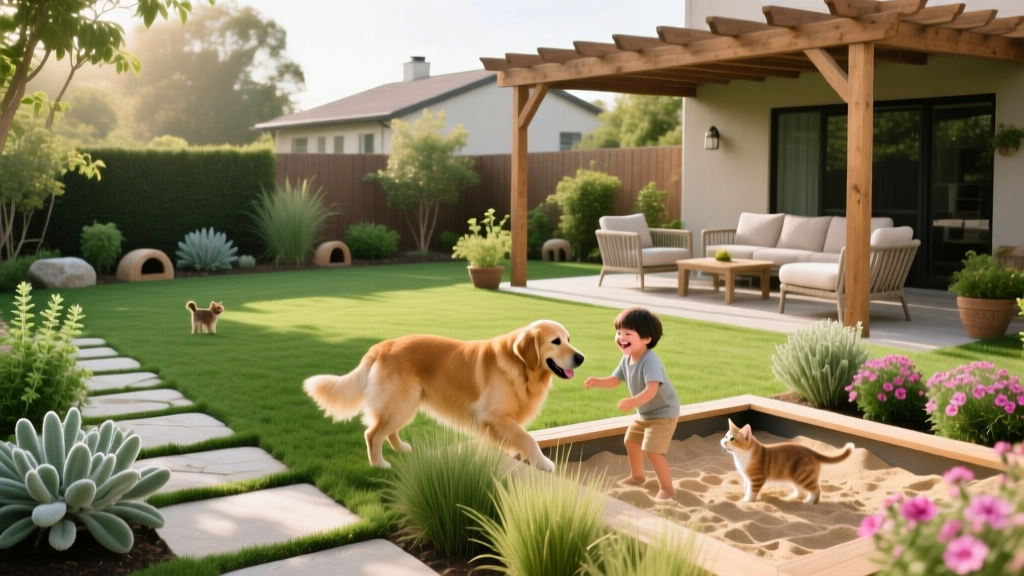
How to Design a Pet-Safe and Family-Friendly Yard
Sarah ChenPublished
Creating a Harmonious Outdoor Space for Pets and Children
When designing a landscape that caters to both energetic dogs and curious toddlers, homeowners must strike a strategic balance between durability, safety, and visual appeal. A truly family-friendly yard goes beyond simply fencing in the perimeter; it involves selecting resilient turfgrass, avoiding toxic flora, and implementing hardscaping that protects delicate paw pads and little feet. Whether you are renovating an existing garden or starting from scratch, incorporating pet-safe and child-friendly landscaping principles will ensure your outdoor space is a sanctuary for every member of your household.
Choosing Durable, Pet-Resistant Turfgrass
The foundation of any family-friendly yard is a lawn that can withstand heavy foot traffic, impromptu soccer games, and the enthusiastic digging or running of pets. Traditional delicate grasses often turn into muddy, patchy eyesores under these conditions. To maintain a lush, green carpet, you must select turfgrass species known for their rapid recovery rates and deep root systems.
For warm-season climates, Bermuda grass is the undisputed champion of high-traffic areas. It spreads rapidly via stolons and rhizomes, allowing it to heal from damage quickly. However, it requires full sun. For cool-season regions, Tall Fescue offers excellent wear tolerance and maintains its color well into the fall. An increasingly popular, sustainable alternative is a Microclover and Fescue blend. Clover is naturally drought-tolerant, fixes its own nitrogen (reducing fertilizer needs), and resists yellowing from dog urine spots.
Turfgrass Comparison for High-Traffic Yards
| Turfgrass Type | Durability & Recovery | Best Climate | Est. Cost (Seed/Sod per sq. ft.) |
|---|---|---|---|
| Bermuda Grass | Excellent (Rapid spread) | Warm-Season / Full Sun | $0.30 - $0.80 (Sod) |
| Tall Fescue | Good (Deep roots) | Cool-Season / Shade tolerant | $0.15 - $0.40 (Seed) |
| Microclover Blend | Moderate (Urine resistant) | Transitional / Mixed | $0.25 - $0.50 (Seed) |
| Buffalograss | Good (Low water needs) | Arid / Warm-Season | $0.40 - $0.90 (Plugs) |
Selecting Non-Toxic Plants for Curious Pets and Toddlers
Children and pets explore the world with their hands and mouths, making plant selection a critical safety consideration. Many common ornamental plants contain alkaloids, glycosides, or other compounds that can cause severe gastrointestinal distress, neurological issues, or even fatal reactions if ingested. Before purchasing any shrubs, perennials, or bulbs, cross-reference your choices with the ASPCA comprehensive list of toxic and non-toxic plants.
Avoid highly toxic staples such as Sago Palm, Oleander, Foxglove, Lilies (highly toxic to cats), and Azaleas. Instead, populate your garden beds with vibrant, non-toxic alternatives that provide the same structural and visual benefits without the risk.
Top Pet-Safe and Child-Friendly Plant Alternatives
- For Sun-Drenched Borders: Replace toxic Lantana or Foxglove with Snapdragons (Antirrhinum), Zinnias, and Coneflowers (Echinacea). These are safe, attract pollinators, and tolerate heat.
- For Shady Garden Beds: Swap out toxic Hostas (toxic to dogs/cats) or Caladiums for Astilbe, Spider Plants, and Boston Ferns. These provide lush, textural foliage without the danger.
- For Privacy Hedges: Instead of Oleander or Yew, plant Camellias or Forsythia. Both grow densely, offer beautiful seasonal blooms, and are entirely safe for inquisitive puppies and toddlers.
- For Ground Cover: Replace toxic English Ivy with Creeping Thyme or Irish Moss. These are low-growing, soft on bare feet, and release a pleasant fragrance when stepped on.
Safe Hardscaping and Mulch Choices
Hardscaping elements like pathways, patios, and mulched beds define the structure of your landscape, but they can also harbor hidden dangers. Mulch is a primary culprit in pet-related landscaping emergencies. Cocoa bean mulch, prized for its rich color and chocolate-like scent, contains theobromine and caffeine—the same compounds that make chocolate toxic to dogs. Ingestion can lead to vomiting, tremors, and seizures. According to the Pet Poison Helpline, even small amounts can be dangerous to a 50-pound dog. Always opt for safe alternatives like untreated cedar, pine bark, or natural compost.
When designing pathways and play areas, consider the thermal properties and textures of your materials. Dark-colored stones and asphalt can absorb extreme heat during summer months, easily burning a dog paw pads or a child bare feet. Choose lighter-colored materials such as flagstone, travertine, or light-colored permeable pavers. Permeable pavers are an excellent investment (averaging $10 to $20 per square foot installed) because they allow rainwater and pet urine to drain directly into the soil below, reducing surface puddles, mud tracking, and unpleasant odors.
Furthermore, avoid using sharp, angular gravel like crushed limestone or lava rock in areas where pets run or children play. These materials can easily become lodged in paw pads or cause painful scrapes during falls. Opt for smooth river rock (larger than 2 inches in diameter to prevent choking hazards) or finely shredded hardwood mulch for play zones.
Designated Pet Zones and Family Play Areas
A successful family-friendly landscape utilizes zoning to separate high-energy activities from delicate garden beds. By creating designated areas for specific behaviors, you can protect your prized horticulture while giving pets and kids the freedom to play.
The Digging Pit: Dogs dig out of boredom, instinct, or to find cool earth. Instead of fighting this behavior, build a designated digging zone. Construct a 4-foot by 4-foot raised bed using untreated cedar lumber (avoid pressure-treated wood containing copper azole, which can be toxic if chewed). Fill it with a mix of play sand and loose topsoil. Bury durable toys or treats just beneath the surface to train your dog to dig only in this specific area.
The Pee Post and Gravel Run: Dog urine is highly acidic and rich in nitrogen, which causes burn spots on turfgrass. Create a discrete 3-foot wide gravel drainage strip along the side of your house or behind a shed. Use smooth pea gravel over a base of landscape fabric and crushed stone. You can train your dog to use this area by placing a pee post (a vertical piece of driftwood or a commercial resin post) in the center, as dogs naturally prefer to mark vertical objects.
Sustainable and Safe Lawn Care Practices
Maintaining a lush yard often involves fertilizers, herbicides, and pesticides, but these chemicals pose significant risks to children crawling on the grass and pets grooming their paws. Transitioning to organic and sustainable lawn care practices is essential for a truly safe environment.
Instead of synthetic, salt-based fertilizers that can cause chemical burns on contact, use slow-release organic options like Milorganite or compost top-dressing. These feed the soil microbiome and release nutrients gradually, eliminating the risk of immediate chemical exposure. When weed control is necessary, avoid broad-spectrum herbicides like glyphosate. Opt for iron-based selective herbicides (such as FeHEDTA), which target broadleaf weeds like dandelions but are safe for humans and pets once dry.
If you must use conventional lawn treatments, strictly follow the guidelines outlined by the Environmental Protection Agency (EPA) regarding application rates and re-entry times. As a general rule, keep children and pets off the lawn for at least 48 hours after any liquid chemical application, or until the grass is completely dry and the product has been watered into the soil. Always store all landscaping chemicals in locked, elevated cabinets out of reach of curious toddlers and chewing dogs.
Conclusion
Designing a pet-safe and family-friendly yard does not mean sacrificing aesthetic beauty. By selecting resilient turfgrass, verifying plant toxicity, utilizing safe hardscaping materials, and implementing thoughtful zoning, you can cultivate a vibrant outdoor living space. A well-planned landscape not only protects the health and safety of your children and pets but also reduces your maintenance workload, allowing you to spend less time repairing damage and more time enjoying the outdoors with your loved ones.

