Gardening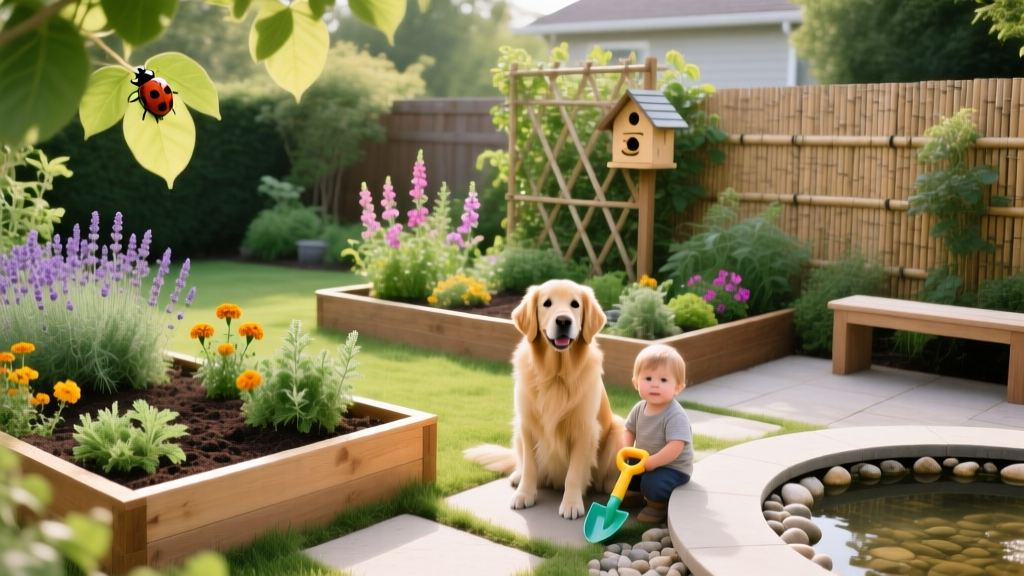
Pet-Safe Garden Design: Non-Toxic Plants and Soil Tips
Anna KowalskiPublished
Designing a Pet-Safe and Child-Friendly Garden
Gardening is a wonderful way to connect with nature, teach children about responsibility, and provide a stimulating outdoor environment for your pets. However, traditional gardening practices often involve hidden hazards that can pose severe risks to curious toddlers and foraging dogs. From toxic ornamental flowers to chemical-laden fertilizers and insecticides, a standard garden can quickly become a minefield for your furry friends and little ones. Designing a pet-safe and child-friendly garden requires a proactive approach, focusing on non-toxic plant selection, safe soil amendments, and organic pest management. By making a few strategic adjustments, you can cultivate a thriving, vibrant landscape that is entirely safe for every member of your family.
Mulch and Ground Cover Hazards
One of the most common landscaping materials that poses a severe threat to pets is cocoa bean mulch. Derived from the hulls of cocoa beans, this mulch emits a sweet, chocolate-like aroma that is highly attractive to dogs. Unfortunately, cocoa bean mulch contains theobromine and caffeine—the same toxic compounds found in chocolate. Ingestion can lead to vomiting, diarrhea, rapid heart rate, tremors, and even seizures. Instead of cocoa mulch, opt for pet-safe alternatives like untreated pine bark, cedar mulch, or shredded leaves. Cedar mulch is an excellent choice as it naturally repels fleas and ticks, costing roughly $4 to $6 per two-cubic-foot bag, making it an affordable and safe investment for your yard.
Selecting Non-Toxic Flowers and Vegetables
When planning your flower beds and vegetable patches, verifying plant toxicity is paramount. Many popular ornamental plants are highly toxic to dogs, cats, and horses. For instance, Sago Palms, Azaleas, Rhododendrons, and Oleanders contain potent toxins that can cause fatal liver failure or cardiovascular collapse. Even common vegetable garden staples like tomato plants and potato vines contain solanine in their leaves and stems, which can cause severe gastrointestinal and neurological distress if chewed by a pet. Before purchasing any seeds or nursery starts, always cross-reference your choices with the ASPCA Toxic and Non-Toxic Plants list. This comprehensive database is an invaluable tool for ensuring your botanical selections are benign.
Fortunately, there is no shortage of beautiful, pet-safe plants to choose from. For vibrant floral displays, consider planting Zinnias, Snapdragons, Sunflowers, and Calendula. These flowers are not only non-toxic but also attract beneficial pollinators. In the edible garden, root vegetables like carrots and radishes, alongside leafy greens such as lettuce and spinach, are completely safe for children to harvest and pets to nibble on. Blueberries and strawberries also make fantastic, safe ground-cover crops that kids love to pick. If you need to verify a specific exotic plant, the Pet Poison Helpline offers detailed toxicological profiles and emergency guidance.
| Plant Category | Pet-Safe Choices | Toxic Plants to Avoid |
|---|---|---|
| Flowers | Zinnias, Sunflowers, Snapdragons, Calendula, Petunias | Lilies, Daffodils, Tulips, Foxglove, Azaleas |
| Vegetables | Carrots, Lettuce, Radishes, Green Beans, Cucumbers | Tomato leaves, Potato vines, Onion bulbs, Garlic |
| Fruits | Blueberries, Strawberries, Watermelon, Apples (no seeds) | Grapes, Raisins, Cherries (pits/stems), Avocado |
Building Safe Raised Beds
To further protect your plants from trampling paws and digging claws, while also controlling the soil environment, building raised garden beds is highly recommended. When constructing raised beds, the choice of material is critical for family safety. Avoid using old railroad ties or pressure-treated lumber manufactured before 2004, as these often contain creosote or chromated copper arsenate (CCA), which can leach toxic heavy metals and arsenic into the soil. Instead, invest in naturally rot-resistant woods like untreated cedar or redwood. A standard 4x8-foot cedar raised bed kit, 11 inches deep, typically costs between $150 and $250. Alternatively, food-grade high-density polyethylene (HDPE) composite beds are completely inert, splinter-free, and highly durable, making them perfect for children's gardening spaces.
To prevent neighborhood cats from using your raised beds as a litter box, which introduces dangerous parasites, lay a layer of galvanized chicken wire just beneath the top inch of soil. Plants will grow through the wire, but it effectively deters digging animals.
Family-Safe Soil and Fertilizers
The soil and fertilizers you use are just as important as the plants themselves. Traditional synthetic fertilizers often contain high concentrations of iron, urea, and phosphorus, which can attract dogs due to their strong odor and taste. Ingestion of synthetic fertilizers can cause severe gastric ulcers and iron toxicity. Furthermore, organic fertilizers like blood meal and bone meal, while natural, are incredibly dangerous to dogs. Bone meal can form a cement-like obstruction in a dog's gastrointestinal tract, leading to life-threatening blockages and pancreatitis. To maintain a safe garden, use compost that is certified by the Organic Materials Review Institute (OMRI). OMRI-listed products are rigorously tested to ensure they are free from synthetic chemicals and harmful pathogens.
Additionally, avoid using synthetic herbicides like glyphosate near areas where children play or pets roam, as these chemicals can be tracked indoors on paws and shoes, leading to chronic indoor exposure.
For filling your raised beds, avoid using native topsoil, which may contain unknown contaminants, heavy metals, or parasite eggs like Toxoplasma gondii. Instead, use a proven, safe soil blend. A highly effective and family-safe recipe is "Mel's Mix," popularized by square-foot gardening pioneer Mel Bartholomew. This mix consists of one-third blended organic compost, one-third coarse vermiculite, and one-third peat moss or coconut coir. This combination provides excellent drainage, moisture retention, and a light texture that is easy for small children to dig in and work with.
Organic Pest Control for Curious Paws
Pest management is another area where family and pet safety is frequently compromised. Conventional snail and slug baits containing metaldehyde are notoriously toxic; even a small amount can cause fatal neurological symptoms in dogs, including severe tremors and hyperthermia. Similarly, broad-spectrum chemical pesticides can linger on plant surfaces and soil, posing contact risks to crawling toddlers and foraging pets. When pest control is necessary, turn to the Environmental Protection Agency (EPA) guidelines on safer pest control. The EPA recommends using minimum-risk pesticides and natural deterrents.
For slugs and snails, use copper tape around the perimeter of your raised beds or apply food-grade diatomaceous earth (DE). DE is a natural, fossilized algae powder that mechanically disrupts the exoskeletons of crawling insects without introducing chemical toxicity. A 4-pound bag of food-grade DE costs around $15 and is safe to use around pets and children once it settles. For aphid control on your vegetables, a simple homemade insecticidal soap made from one tablespoon of mild, unscented liquid castile soap mixed with a quart of water is highly effective and entirely non-toxic. Spray this directly on the pests in the early morning or late evening to avoid leaf burn.
According to the ASPCA Animal Poison Control Center, ingestion of toxic plants like the Sago Palm can result in severe liver failure in dogs, with a survival rate of only 50% even with aggressive veterinary treatment. Prevention through careful plant selection is the only guaranteed safeguard.
Conclusion
Creating a pet-safe and child-friendly garden does not mean sacrificing beauty or yield. By avoiding toxic mulches, carefully selecting non-toxic plants, constructing raised beds from safe materials, and utilizing natural pest control methods, you can cultivate a lush, productive sanctuary. This mindful approach to gardening ensures that your outdoor space remains a haven for exploration, learning, and relaxation for your entire family, including your four-legged companions. Take the time to audit your current garden today, replace hazardous elements, and enjoy the peace of mind that comes with a truly safe, organic landscape.
