
Landscaping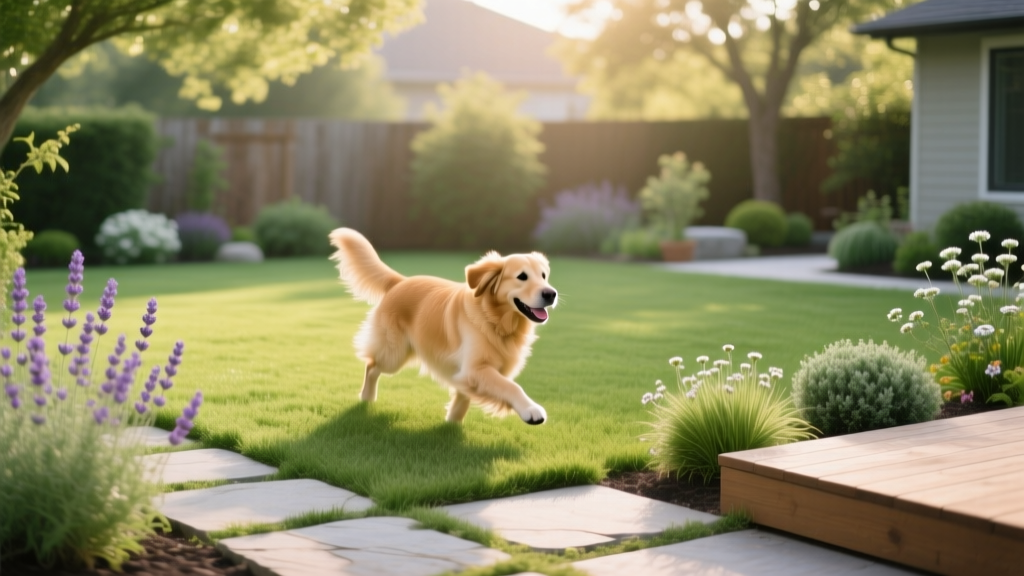
Pet-Safe Landscaping: Durable Grass and Non-Toxic Plants
Mike RodriguezPublished
Designing a Pet-Safe and Family-Friendly Landscape
Creating a beautiful yard that can withstand the joyful chaos of children and pets is one of the most common challenges in residential landscaping. A pristine, delicate garden often falls victim to muddy paws, enthusiastic digging, and high-traffic play zones. However, you do not have to sacrifice curb appeal for functionality. By implementing smart pet-safe landscaping principles, you can cultivate a vibrant, durable outdoor living space that serves as a sanctuary for your entire family.
According to The Humane Society's guide on creating dog-friendly yards, designing with your pet's natural behaviors in mind—rather than fighting them—is the key to a harmonious landscape. This comprehensive guide will walk you through selecting resilient turfgrass, installing safe hardscaping, choosing non-toxic flora, and utilizing organic lawn care practices to protect your pets and the environment.
Choosing Durable Turfgrass for High Traffic
The foundation of any family-friendly yard is a resilient lawn. Pet urine, which is high in nitrogen and salts, can cause severe 'burn spots' on delicate grasses, while the sheer physical traffic of running dogs can compact soil and tear roots. When selecting sod or seed, prioritize deep-rooted, high-traffic turf varieties suited to your USDA hardiness zone.
For cool-season climates, Tall Fescue is a top performer. Its deep root system (often reaching 2 to 3 feet deep) makes it highly drought-tolerant and resistant to wear. For warm-season regions, Bermudagrass and Zoysia offer aggressive spreading capabilities, allowing them to recover quickly from divots and digging damage. If you are dealing with heavy shade, consider a mix of Fine Fescues or supplementing with shade-tolerant ground covers like creeping thyme.
Turfgrass Comparison Chart for Pet Owners
| Grass Type | Climate Zone | Traffic Tolerance | Urine Resistance | Avg. Sod Cost |
|---|---|---|---|---|
| Tall Fescue | Cool Season / Transition | High | Moderate to High | $0.60 - $0.85 / sq ft |
| Bermudagrass | Warm Season | Very High | Moderate | $0.50 - $0.90 / sq ft |
| Zoysia | Warm Season / Transition | High | Moderate | $0.70 - $1.10 / sq ft |
| Kentucky Bluegrass | Cool Season | Moderate | Low | $0.45 - $0.75 / sq ft |
Pro Tip for Urine Spots: Keep a watering can near your back door. If you catch your dog relieving themselves on the lawn, immediately pour a gallon of water over the spot to dilute the nitrogen salts before they can burn the grass blades.
Creating Designated Potty and Digging Zones
Dogs are instinctual diggers and prefer specific substrates for their bathroom needs. Instead of policing the entire yard, dedicate a specific 4x8 foot area for these behaviors. This saves your primary lawn and garden beds from unnecessary destruction.
- The Potty Zone: Excavate the area to a depth of 6 inches. Lay down a base of landscape fabric for weed control, followed by a 2-inch layer of crushed drainage rock, and top it with 4 inches of smooth pea gravel. Pea gravel drains exceptionally well, is easy to hose off, and does not stick to paws like wood mulch.
- The Digging Pit: If your dog loves to dig, build a designated sandbox using untreated cedar lumber and fill it with a mix of play sand and loose topsoil. Bury a few of their favorite toys just beneath the surface to encourage them to dig only in this approved zone.
Pet-Safe Plant Selection: What to Grow and What to Avoid
Many popular ornamental plants are highly toxic to dogs and cats if ingested. The ASPCA's Toxic and Non-Toxic Plants database is an essential bookmark for any gardening pet owner. Always cross-reference your nursery shopping list before planting.
Dangerous Flora to Remove or Avoid
- Sago Palm: Extremely toxic; ingestion of even a few seeds can cause fatal liver failure in dogs.
- Oleander: Contains cardiac glycosides; all parts of the plant are poisonous.
- Azaleas and Rhododendrons: Can cause vomiting, diarrhea, and cardiovascular collapse.
- Lily of the Valley: Highly toxic to both dogs and cats, causing cardiac arrhythmias.
Family and Pet-Friendly Alternatives
- Snapdragons (Antirrhinum): Safe, colorful, and add great vertical interest to garden beds.
- Rosemary and Thyme: Safe culinary herbs that also act as natural flea and tick repellents.
- Sunflowers: Non-toxic, sturdy, and provide excellent shade and visual barriers.
- Boston Ferns: Perfect for shaded hanging baskets or patio containers, entirely safe for curious pets.
Safe Mulching and Hardscaping Materials
Mulch is vital for retaining soil moisture and suppressing weeds, but not all mulch is safe. Never use cocoa bean mulch. It contains theobromine—the same compound found in chocolate that is highly toxic to dogs. The sweet smell often attracts dogs to eat it, which can lead to severe neurological issues or death.
Instead, opt for shredded cedar or pine bark mulch. Cedar naturally repels insects, including fleas and ticks, making it a dual-purpose choice for pet owners. Ensure the mulch is applied at a depth of 2 to 3 inches, keeping it a few inches away from the base of tree trunks to prevent rot.
When designing pathways and patios, consider your pet's paw pads. Dark-colored stones like black slate or dark brick can absorb immense heat during the summer, potentially burning your dog's paws. Opt for lighter-colored flagstone, smooth river rock, or poured concrete. Avoid sharp, angular gravel (like crushed limestone), which can lodge in paw pads and cause painful lacerations.
Secure Fencing and Escape Prevention
A secure perimeter is non-negotiable for a pet-friendly yard. Standard chain-link fences can be easily scaled by athletic breeds, while wooden privacy fences can be chewed or dug under.
For ultimate security, install a 6-foot wooden privacy fence. To prevent digging escapes, attach a 1/2-inch galvanized hardware cloth to the bottom 24 inches of the fence. Bury the bottom 12 inches in a trench, bending the lowest 6 inches outward into an 'L' shape facing the yard. When a dog digs at the fence line, they will hit the wire barrier and naturally stop.
Ensure all gate latches are equipped with carabiners or padlocks, as intelligent dogs can quickly learn to bump or lift simple hook-and-eye latches with their snouts.
Water Features and Lighting Safety
If your landscape includes a water feature or pool, safety must be a priority. Steep-sided concrete pools are dangerous for dogs that may fall in and struggle to find the stairs. If you have a pool, install a pet-safe ramp or a specialized pool escape net that rests just below the water line, giving an exhausted animal a tactile ledge to climb onto.
For landscape lighting, avoid exposed wiring that a chewing dog might mistake for a toy or bone. Use low-voltage LED pathway lights with heavy-duty metal stakes, and bury all conduit wiring at least 6 inches deep. Ensure all outdoor electrical outlets are equipped with weatherproof covers and GFCI breakers to prevent shock hazards in wet conditions.
Organic Lawn Care and Fertilizer Safety
Traditional synthetic lawn fertilizers and broadleaf herbicides (like 2,4-D) pose significant health risks to pets. Dogs and cats absorb these chemicals directly through their paw pads or ingest them when grooming their fur after walking on treated grass. The EPA guidelines on pesticides and pets strongly advise caution, noting that prolonged exposure to certain lawn chemicals is linked to higher rates of canine lymphoma and bladder cancer.
Transition to an organic lawn care regimen:
- Fertilization: Use compost top-dressing (applying a 1/4 inch layer of screened compost in the spring and fall) to naturally build soil biology and feed the grass.
- Weed Control: Apply corn gluten meal in early spring as a natural pre-emergent herbicide that stops weed seeds from germinating without harming pets.
- Pest Control: Introduce beneficial nematodes to your soil in the spring. These microscopic organisms naturally hunt and destroy flea and tick larvae in the yard without the use of toxic chemical sprays.
Conclusion
A pet-safe and family-friendly landscape does not mean settling for a barren, utilitarian yard. By selecting deep-rooted turfgrasses, incorporating smooth and cool hardscaping materials, strictly avoiding toxic flora, and utilizing organic soil amendments, you can achieve a stunning outdoor oasis. Thoughtful design elements like designated potty zones and dig-proof fencing work with your pet's natural instincts, ensuring your yard remains a safe, beautiful, and functional extension of your home for years to come.

