
Landscaping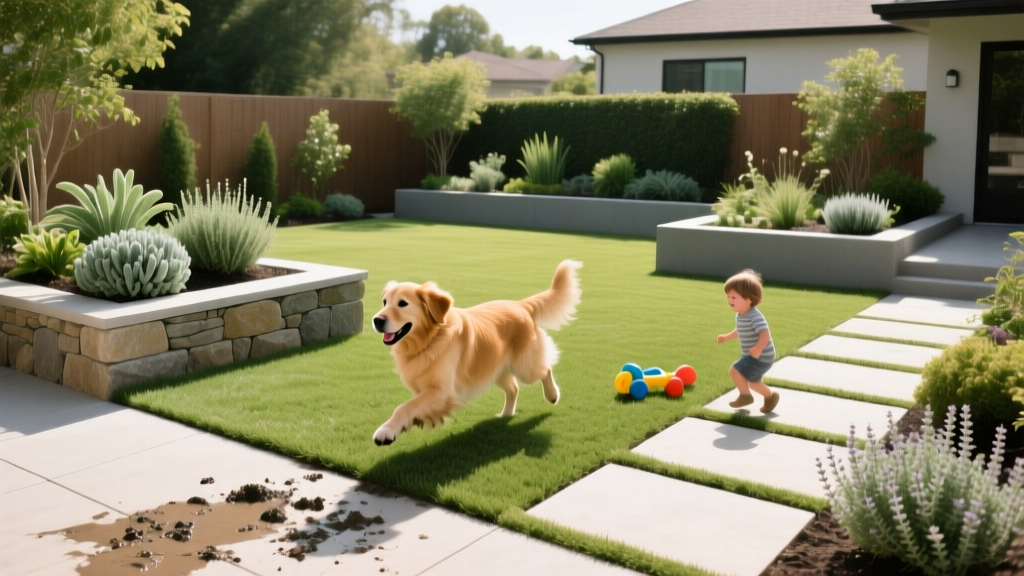
Designing a Pet-Safe, Mud-Free Backyard for Active Families
Mike RodriguezPublished
The Challenge of Active Family and Pet Yards
Creating a beautiful, functional backyard that can withstand the chaos of active children and energetic dogs is one of the most common dilemmas in residential landscaping. Traditional manicured lawns often fall victim to heavy foot traffic, digging, and pet urine, resulting in unsightly bare patches, muddy paws, and frustrated homeowners. However, with strategic landscape design, you can cultivate a vibrant, resilient outdoor living space that caters to the entire family. This comprehensive guide explores durable groundcovers, non-toxic plant selections, and smart hardscaping solutions to help you build a yard that is as tough as it is beautiful.
The Foundation: Durable and Traffic-Tolerant Turf
If you want a natural lawn that survives the gauntlet of family play and pet traffic, you must move away from delicate grasses like Kentucky Bluegrass or fine fescues. Instead, opt for deep-rooted, wear-tolerant varieties that can recover quickly from damage.
Rhizomatous Tall Fescue (RTF)
RTF is a game-changer for high-traffic family yards. Unlike traditional bunch-forming tall fescues, RTF produces rhizomes (underground stems) that allow the grass to spread laterally and fill in bare spots caused by dog runs or heavy play. Cultivars like 'Titan Ultra' or 'Rebel IV' offer exceptional drought tolerance and deep green color. For new lawns or overseeding, apply RTF seed at a rate of 8 to 10 pounds per 1,000 square feet. To ensure strong establishment, aerate compacted soil in the early fall and top-dress with a quarter-inch of screened compost before seeding.
Microclover Lawns
Microclover (Trifolium repens var. 'Pirouette') is an increasingly popular alternative or companion to traditional turf. It stays low to the ground, requires minimal mowing, and naturally fixes nitrogen in the soil, reducing the need for synthetic fertilizers. Furthermore, microclover is highly resistant to the nitrogen burn typically caused by dog urine. While it handles moderate foot traffic well, it may not survive the intense, concentrated running patterns of large dogs. It is best used in low-traffic play areas or mixed into an RTF lawn at a ratio of 5% clover seed to 95% turf seed.
Hardscaping Strategies to Eliminate Mud
Even the most durable grass will turn to mud in high-traffic transition zones, such as the path from the back door to the gate, or the perimeter of the fence where dogs patrol. Hardscaping these specific areas prevents mud from being tracked into your home and protects your soil structure from severe compaction.
Stabilized Decomposed Granite (DG)
Decomposed granite is an excellent, permeable surface for dog runs and pathways. However, loose DG can stick to paws and be tracked indoors. The solution is stabilized DG, which is mixed with a natural binding agent that hardens when compacted, creating a firm, porous surface that feels like a natural dirt path but resists erosion and mud. To install, excavate the area to a depth of 4 inches, lay a geotextile landscape fabric to prevent weed growth, add a 2-inch base of crushed gravel, and finish with a 2-inch layer of stabilized DG. Compact thoroughly with a plate compactor and mist with water to activate the binder.
Flagstone with Creeping Thyme
For a more formal patio or play area, flagstone provides a cool, mud-free surface. To keep the joints from becoming weedy or muddy, fill the gaps with creeping thyme or Irish moss. These low-growing, soft groundcovers handle light foot traffic, provide a pleasant fragrance when stepped on, and are entirely non-toxic to pets.
Groundcover and Material Comparison Chart
Choosing the right material depends on your specific family needs, budget, and the intensity of your pets' activity. Review the table below to compare popular landscaping materials for active yards.
| Material | Traffic Tolerance | Mud Prevention | Est. Cost (per sq ft) | Pet Safety |
|---|---|---|---|---|
| RTF Tall Fescue | High | Moderate | $0.15 - $0.25 (Seed) | Safe |
| Microclover | Moderate | Low | $0.30 - $0.40 (Seed) | Safe |
| Stabilized DG | Very High | Excellent | $1.50 - $2.50 | Safe |
| Flagstone | Very High | Excellent | $4.00 - $8.00 | Safe |
| Artificial Turf (Pet Grade) | Very High | Excellent | $8.00 - $12.00 | Safe (with proper infill) |
| Cocoa Bean Mulch | N/A | High | $0.50 - $0.80 | Highly Toxic |
Non-Toxic Plant Selection and Mulch Safety
When designing garden beds that border play areas, safety is paramount. Curious toddlers and foraging dogs are prone to nibbling on leaves, flowers, and mulch. According to the ASPCA's comprehensive list of toxic and non-toxic plants, common landscaping staples like Sago Palm (Cycas revoluta), Oleander (Nerium oleander), and Foxglove (Digitalis purpurea) can be fatal if ingested. Lilies are also exceptionally dangerous to cats, causing acute kidney failure even in small amounts.
Safe and Resilient Plant Alternatives
Opt for non-toxic, robust plants that can survive the occasional trampling or stray soccer ball. Excellent pet-safe choices include Snapdragons (Antirrhinum), Astilbe, Camellia, and Rosemary. Ornamental grasses like Fescue and Miscanthus are also safe and provide dynamic movement in the landscape without posing a toxicity risk. For shady areas where dogs like to rest, Hostas and Ferns are generally safe and provide lush, tropical foliage.
The Hidden Danger of Mulch
Many homeowners are unaware that cocoa bean mulch, prized for its rich color and chocolate-like scent, contains theobromine and caffeine—the same compounds that make chocolate toxic to dogs. The Humane Society of the United States strongly warns against using cocoa mulch in yards accessible to pets. Instead, choose natural cedar or pine bark mulch. Lay it at a depth of 2 to 3 inches to retain soil moisture and suppress weeds, but keep it a few inches away from the base of tree trunks to prevent rot and rodent habitation.
Fencing and Dig-Proofing Perimeters
A secure perimeter is essential for off-leash family play and pet safety. The American Kennel Club (AKC) recommends fencing that accounts for both jumping and digging behaviors. For most active breeds, a minimum 6-foot privacy fence is ideal to prevent visual stimulation from the street, which can trigger barking and escape attempts.
Constructing an L-Footer
If your dogs are avid diggers, a standard fence will not suffice. You must install an 'L-footer' to secure the base. To do this, attach heavy-duty galvanized hardware cloth (1/2-inch mesh) to the bottom of your existing fence. Bury the wire 12 inches straight down into the soil, and then bend the remaining 12 inches horizontally outward, away from the yard, in an 'L' shape. Cover the horizontal wire with soil and sod. When a dog attempts to dig at the fence line, their paws will hit the horizontal wire barrier, safely deterring the behavior without causing injury.
Managing Urine Spots and Creating Relief Zones
Dog urine contains high levels of nitrogen and salts, which act like an overdose of fertilizer, burning the grass and leaving yellow spots surrounded by dark green halos. To mitigate this, designate a specific 'relief zone' in a discreet corner of the yard.
Building a Gravel Relief Zone
Excavate a 4-foot by 6-foot area to a depth of 12 inches. Install a French drain at the base: lay a 4-inch perforated PVC pipe wrapped in landscape fabric, ensuring it slopes slightly away from your home's foundation. Fill the bottom 6 inches with washed drainage gravel, and top it with 4 to 6 inches of smooth, rounded river rocks (avoid sharp gravel that can hurt paws). Train your dog to use this area by bringing them to the spot on a leash and rewarding them with high-value treats immediately after they relieve themselves.
Spot Treatment for Existing Lawns
If urine spots occur on your turf, act quickly. Water the area heavily within 8 hours of the incident to dilute the nitrogen salts. For existing yellow spots, apply a handful of agricultural gypsum (calcium sulfate) to help flush the salts through the soil profile, then rake the dead grass, top-dress with compost, and reseed with your RTF blend.
Conclusion
Designing a pet-safe, mud-free backyard does not mean sacrificing aesthetic appeal. By combining traffic-tolerant turf like RTF, strategic hardscaping with stabilized decomposed granite, and carefully curated non-toxic plantings, you can create a resilient landscape that serves as a safe haven for your children and pets. Invest the time in proper soil preparation, secure fencing, and smart material selection, and your family will enjoy a beautiful, functional outdoor space for years to come.

