Gardening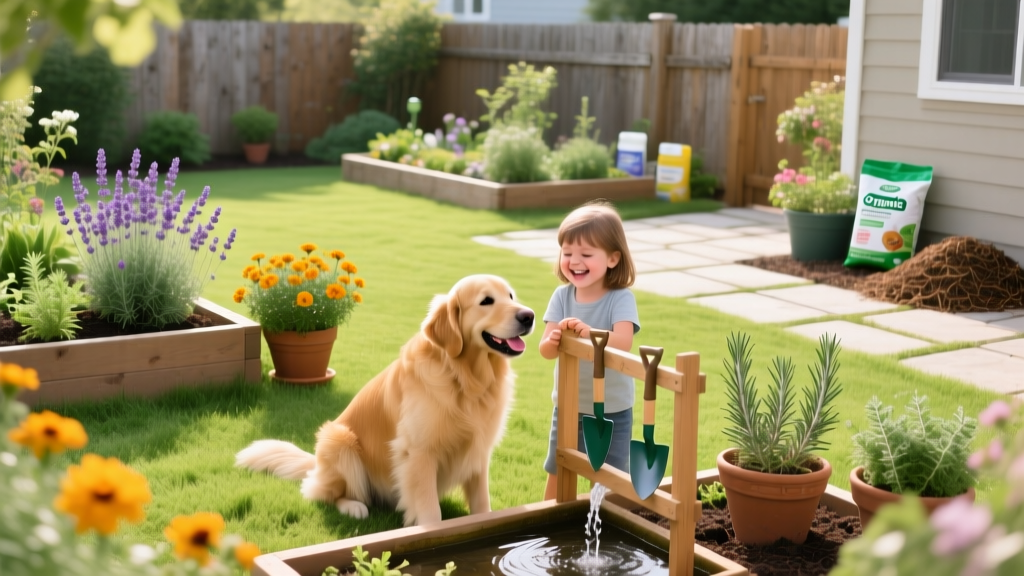
Pet-Safe Gardening: Non-Toxic Plants And Family Yard Tips
Robert HayesPublished
The Hidden Dangers in Traditional Gardens
Creating a lush, vibrant garden is a rewarding endeavor, but for households with curious toddlers and energetic dogs, the backyard can harbor hidden dangers. Many popular ornamental plants, synthetic fertilizers, and common mulches contain toxins that can cause severe gastrointestinal distress, neurological issues, or even fatal reactions in pets and small children. According to the ASPCA's Toxic and Non-Toxic Plants database, thousands of pets are treated annually for plant poisoning, with sago palms, lilies, and oleander being frequent culprits. Transitioning to a pet-safe and family-friendly gardening approach does not mean sacrificing aesthetic appeal or vegetable yields. By carefully selecting non-toxic flora, utilizing organic soil amendments, and designing strategic physical barriers, you can cultivate a thriving sanctuary that is entirely safe for your entire family.
Curating a Pet-Safe and Child-Friendly Plant Palette
The foundation of a family-friendly garden lies in plant selection. When toddlers pull leaves off stems and dogs chew on fallen foliage, you must ensure that every plant within reach is non-toxic. Fortunately, there is a vast array of beautiful, resilient, and completely safe options for both flower beds and vegetable patches.
Safe Flowers and Foliage
For vibrant color without the risk, incorporate snapdragons (Antirrhinum majus), sunflowers (Helianthus annuus), zinnias, and marigolds into your landscape. These annuals are not only safe but also attract beneficial pollinators. For perennials, consider astilbe, coreopsis, and echinacea (coneflowers). If you want lush greenery, the Boston fern and the spider plant are excellent, non-toxic choices for shaded garden borders or container arrangements.
Toxic Plants to Eradicate Immediately
If you are renovating an existing garden, audit your current plantings. Remove highly toxic species such as foxglove, lily of the valley, azaleas, rhododendrons, and sago palms. Sago palm ingestion, for instance, has a mortality rate of over 50% in dogs due to severe liver failure. Always cross-reference new nursery purchases with veterinary-approved databases before planting them in accessible areas.
Soil, Mulch, and Fertilizer Safety
What you put into the soil is just as critical as the plants growing out of it. Dogs love to dig, and children love to play in the dirt, making soil amendments a primary vector for accidental poisoning.
The Cocoa Mulch Menace
Cocoa bean mulch is prized for its rich, dark color and sweet, chocolate-like aroma. However, this scent is exactly what makes it incredibly dangerous. Like chocolate, cocoa mulch contains theobromine and caffeine, which are highly toxic to dogs. Ingestion can lead to vomiting, diarrhea, rapid heart rate, and seizures. The Pet Poison Helpline strongly advises against using cocoa mulch in any yard accessible to pets. Instead, opt for safe alternatives like shredded cedar bark, pine straw, or untreated hardwood mulch. Cedar mulch also offers the added benefit of naturally repelling fleas and ticks.
Family-Safe Fertilizer Alternatives
Synthetic, high-nitrogen fertilizers can cause chemical burns on a dog's paw pads and are hazardous if ingested. Transition to organic, slow-release fertilizers. Products like Espoma Organic Garden-tone or Dr. Earth Organic 5 Tomato, Vegetable & Herb Fertilizer are derived from natural ingredients like feather meal, bone meal, and kelp. While bone meal can be attractive to dogs due to its scent, mixing it thoroughly into the top six inches of soil and watering it in deeply will deter digging. For a quick, safe liquid boost, use fish emulsion (typically a 5-1-1 NPK ratio) diluted at a rate of one tablespoon per gallon of water, applied every three to four weeks.
Garden Layout: Raised Beds and Physical Barriers
To protect both your delicate crops and your pets, strategic garden design is essential. Raised garden beds are the ultimate solution for family-friendly gardening. They elevate the soil out of the reach of digging dogs, prevent soil compaction from running children, and improve drainage.
Optimal Dimensions and Materials
For a dog-deterrent raised bed, aim for a height of 18 to 24 inches. Standard 11-inch beds are easily stepped into by medium-to-large dogs. A width of 4 feet ensures that adults and children can reach the center of the bed from either side without stepping into the soil. When constructing your beds, avoid older pressure-treated lumber that may contain chromated copper arsenate (CCA). Instead, use naturally rot-resistant, untreated cedar or redwood, which typically costs between $40 and $60 per 8-foot board, or opt for modern, food-safe composite materials. Fill the beds with a high-quality, organic raised bed mix consisting of 60% topsoil, 30% compost, and 10% coconut coir or peat moss to retain moisture safely.
Creating Dedicated Sensory and Dog Zones
A truly family-friendly yard accommodates the specific behaviors of its inhabitants. Dogs need a place to run and relieve themselves without destroying the lawn, while children benefit from interactive, sensory-rich environments.
The Dog-Friendly Run
Dog urine is high in nitrogen and salts, which causes unsightly yellow burn spots on traditional turf grass. To solve this, designate a specific potty and play area using durable, pet-safe ground covers. Clover lawns are highly resistant to urine burns and stay soft on paws. Alternatively, use smooth pea gravel or crushed limestone in high-traffic dog runs. Pea gravel costs approximately $30 to $50 per ton and provides excellent drainage, keeping muddy paws out of your house.
The Child's Sensory Garden
Engage your children by planting a dedicated sensory garden. Include Lamb's Ear (Stachys byzantina) for its soft, fuzzy, and completely safe leaves. Plant aromatic, non-toxic herbs like lemon balm, chamomile, and sweet basil. To prevent invasive spreading, grow mint varieties in submerged, bottomless 5-gallon containers. Add a shallow, recirculating bubbling birdbath to provide safe drinking water for pets and a fascinating water-play feature for toddlers.
Integrated Pest Management (IPM) for Families
When pests invade, reaching for broad-spectrum chemical pesticides is a major risk to family health. Instead, adopt the Environmental Protection Agency (EPA) guidelines on Integrated Pest Management. IPM focuses on long-term prevention and uses the least toxic methods first.
- Neem Oil: A natural, plant-derived oil that disrupts the life cycle of aphids, mites, and whiteflies. It is safe for mammals once dry.
- Food-Grade Diatomaceous Earth (DE):strong> A fine powder made from fossilized algae that naturally eliminates crawling insects like slugs and ants by dehydrating them. Ensure you buy food-grade DE and apply it lightly on calm days to avoid inhaling the dust.
- Companion Planting: Plant nasturtiums near your vegetables to act as a "trap crop" for aphids, keeping them away from your prized tomatoes and peppers.
Quick Reference: Safe vs. Toxic Garden Materials
Use the following comparison chart to quickly evaluate materials before your next trip to the garden center.
| Category | Family & Pet-Safe Options | Toxic / Hazardous Options to Avoid |
|---|---|---|
| Flowers | Snapdragons, Zinnias, Sunflowers, Marigolds, Aster | Lilies, Foxglove, Oleander, Azaleas, Hydrangeas |
| Vegetables/Herbs | Carrots, Basil, Thyme, Rosemary, Calendula | Tomato leaves/stems, Rhubarb leaves, Onion/Garlic (to dogs) |
| Mulch | Cedar bark, Pine straw, Hardwood, Leaves | Cocoa bean mulch |
| Fertilizers | Compost, Worm castings, Fish emulsion, Kelp meal | Synthetic high-nitrogen salts, Weed-and-Feed combos |
| Pest Control | Neem oil, Food-grade DE, Insecticidal soaps, BT | Carbamates, Organophosphates, Metaldehyde (snail bait) |
Conclusion
Designing a pet-safe and family-friendly garden requires mindfulness, but the rewards far outweigh the initial planning. By eliminating toxic plants, switching to organic soil amendments, building protective raised beds, and utilizing natural pest control, you create an outdoor oasis where children can explore and pets can roam freely. A garden should be a place of joy and connection with nature, and with these practical guidelines, you can ensure it remains a safe haven for every member of your household.
