Gardening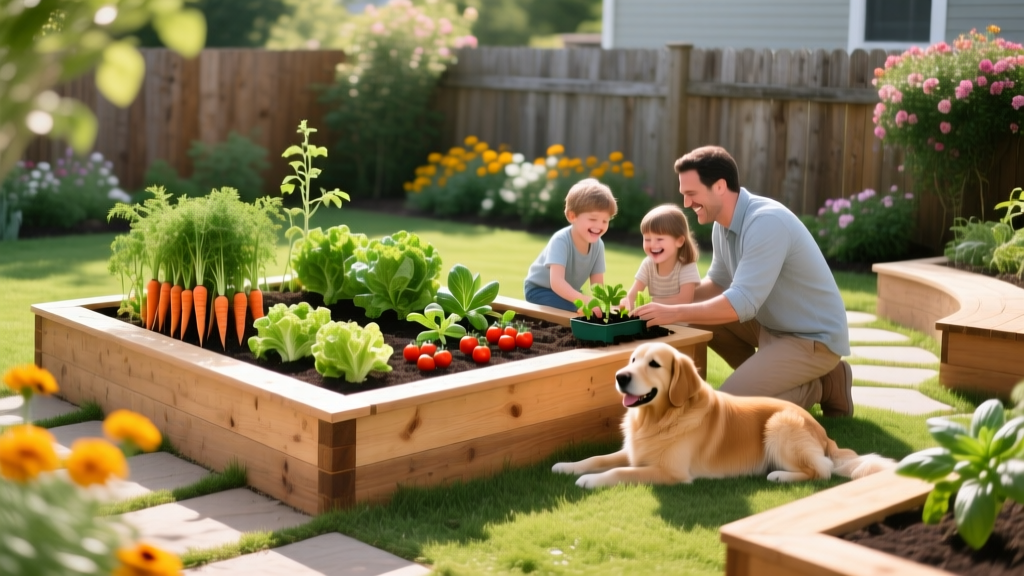
Pet-Safe Raised Bed Gardening For Families And Dogs
David ParkPublished
Introduction to Family and Pet-Safe Gardening
Gardening is a wonderful way to bond with your children and enjoy the outdoors with your pets. However, traditional gardening practices often involve toxic plants, hazardous fertilizers, and sharp tools that can pose risks to curious toddlers and foraging dogs. Transitioning to a pet-safe and family-friendly raised bed garden ensures that your backyard oasis remains a secure haven for everyone. In this comprehensive guide, we will explore how to select safe materials, mix non-toxic soil, choose dog-friendly vegetables, and implement natural pest control methods to create a thriving, safe garden space.
Selecting Safe Raised Bed Materials
When building raised beds for a yard frequented by children and pets, the material you choose is paramount. You must avoid any wood treated with chromated copper arsenate (CCA) or creosote, as these chemicals can leach into the soil and pose severe health risks upon ingestion or skin contact.
Recommended Materials and Dimensions
- Untreated Cedar or Redwood: These woods are naturally rot-resistant and insect-repellent without the need for chemical treatments. A standard 4-foot by 8-foot bed that is 12 inches deep will cost between $150 and $250 in lumber.
- Composite Lumber: Made from recycled wood fibers and plastics, composite beds are highly durable, splinter-free (perfect for little hands and paws), and completely chemically inert. Expect to pay $300 to $450 for a 4x8 foot kit.
- Galvanized Steel: Ensure it is coated with a food-safe zinc layer. Steel beds heat up quickly in the sun, so they are best suited for cooler climates or shaded areas to prevent burning tender paws.
For optimal accessibility, keep beds no wider than 4 feet so children can reach the center from either side without stepping on the soil, which prevents compaction and protects delicate root systems.
Mixing Pet-Safe Soil and Avoiding Toxic Mulches
The soil in your raised bed is the foundation of your garden, but it can also be a hidden danger zone for pets. Dogs, in particular, are notorious for digging and eating soil amendments.
Fertilizers to Avoid
Avoid using bone meal, blood meal, and feather meal. While these are organic and excellent for plants, their strong scents are highly attractive to dogs. Ingestion can lead to severe gastrointestinal blockages, vomiting, and life-threatening pancreatitis. Instead, rely on high-quality, finished compost and plant-based fertilizers like alfalfa meal or kelp extract. For more information on safe soil amendments, consult resources like the University of Minnesota Extension on home garden fertilizers.
The Danger of Cocoa Bean Mulch
Never use cocoa bean mulch in a pet-friendly yard. Cocoa mulch contains theobromine and caffeine—the same compounds found in chocolate that are highly toxic to dogs. Ingestion can cause tremors, seizures, and even death. According to the Pet Poison Helpline, even small amounts can be dangerous. Opt for pet-safe alternatives like shredded cedar bark, pine straw, or untreated grass clippings.
The Ideal Family-Friendly Soil Recipe
Use a variation of Mel's Mix for your raised beds: one-third blended organic compost, one-third coco coir (a sustainable alternative to peat moss), and one-third coarse vermiculite. This blend is light, fluffy, and easy for children to dig in, while providing excellent drainage and water retention.
Choosing Non-Toxic Vegetables and Herbs
Not all vegetables are safe for your furry family members. While the fruits of some plants are fine, their leaves and stems can be highly toxic. The ASPCA's Toxic and Non-Toxic Plants list is an essential bookmark for any gardening pet owner.
Plants to Keep Out of the Garden
- The Nightshade Family: Tomatoes, potatoes, eggplants, and peppers contain solanine in their leaves and stems, which is toxic to dogs and cats.
- Alliums: Onions, garlic, leeks, and chives contain compounds that can cause hemolytic anemia in pets, destroying their red blood cells.
- Grapes and Raisins: Even small amounts can cause acute kidney failure in dogs.
Pet-Safe Plant Comparison Chart
| Plant Name | Pet Safety Status | Family Gardening Notes |
|---|---|---|
| Carrots | Safe | Fun for kids to pull from the soil; safe for dogs to munch on. |
| Snap Peas | Safe | Easy to harvest; provides a sweet, crunchy snack for the whole family. |
| Basil & Rosemary | Safe | Aromatic herbs that are non-toxic and great for sensory gardens. |
| Tomatoes | Toxic (Leaves/Stems) | Ripe fruit is safe, but green parts contain solanine. Use cages to keep pets away from foliage. |
| Onions & Garlic | Highly Toxic | Causes red blood cell damage. Avoid planting entirely if pets roam freely. |
| Sunflowers | Safe | Grows tall, providing a fun hideaway for kids and seeds for birds. |
Natural and Pet-Safe Pest Control
Chemical pesticides and synthetic herbicides have no place in a family-friendly yard. Many commercial slug and snail baits contain metaldehyde, a neurotoxin that is notoriously fatal to dogs and cats even in minuscule quantities.
Safe Alternatives for the Family Garden
- Food-Grade Diatomaceous Earth (DE): A natural powder made from fossilized algae that dehydrates crawling insects like slugs and aphids. It is completely safe for pets and humans once settled. Apply it around the base of plants when the soil is dry, and reapply after heavy rain.
- Neem Oil: An organic, plant-based oil that disrupts the life cycle of pests like aphids and mites. It is safe for pets and beneficial pollinators when applied in the early evening after bees have returned to their hives.
- Companion Planting: Plant marigolds and nasturtiums around the borders of your raised beds. These flowers naturally repel nematodes and deter beetles while adding a splash of color that kids love. Nasturtium flowers are also edible and make a great, peppery addition to family salads.
Designing a Kid-Friendly Garden Layout
To make the garden engaging for children, incorporate sensory elements and age-appropriate tasks. A well-designed layout encourages kids to take ownership of their green space while keeping them safe from hazards.
Sensory and Interactive Planting
Dedicate a corner of your raised bed to a sensory garden. Plant Lamb's Ear for its soft, fuzzy leaves, Lemon Balm for its citrusy scent (which is safe for pets in small amounts), and Cherry Tomatoes for easy, bite-sized harvesting. Avoid planting anything with thorns, such as blackberries or certain rose varieties, near the edges where children and dogs might brush past.
Pathways and Tool Storage
Ensure pathways between raised beds are at least 3 to 4 feet wide. This allows ample room for children to run, pets to navigate, and a small wheelbarrow to pass through. Use smooth, rounded river rocks or compacted decomposed granite for pathways, avoiding sharp gravel that can hurt bare feet or tender paw pads.
Garden Chores by Age Group
Ages 2-4: Watering plants with a small, lightweight watering can; picking up fallen leaves; smelling herbs.
Ages 5-7: Sowing large seeds like beans and peas; harvesting ripe cherry tomatoes; pulling small, shallow weeds.
Ages 8-12: Measuring plant growth with a ruler; turning the compost bin; learning to identify beneficial insects versus pests.
Conclusion
Creating a pet-safe and family-friendly raised bed garden requires thoughtful planning, from selecting untreated lumber to choosing non-toxic plant varieties. By avoiding hazardous fertilizers like bone meal and toxic mulches like cocoa bean, you protect your furry friends from hidden dangers. Simultaneously, by incorporating sensory plants, wide pathways, and age-appropriate chores, you cultivate a lifelong love of nature in your children. With these actionable strategies, your garden will flourish as a beautiful, productive, and secure sanctuary for every member of your family.
