Gardening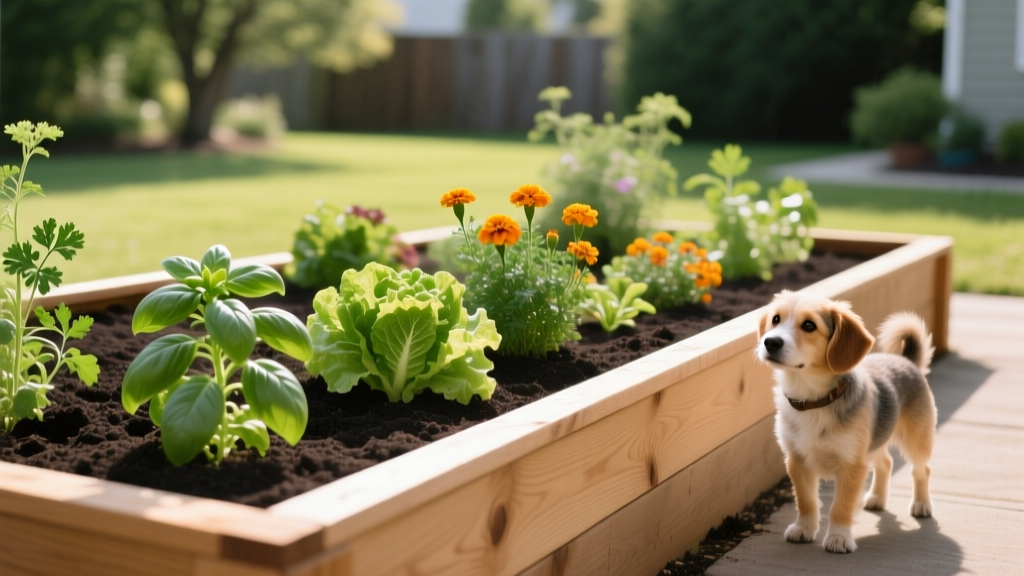
Pet-Safe Raised Bed Gardening: Materials and Plants
Robert HayesPublished
Introduction to Family and Pet-Friendly Gardening
Gardening is a deeply rewarding hobby that connects us with nature, provides fresh produce, and beautifies our outdoor spaces. However, when you share your yard with curious toddlers, playful dogs, or roaming cats, the garden can inadvertently become a landscape of hidden hazards. From toxic plants and chemical fertilizers to dangerous mulches and treated lumber, traditional gardening practices often overlook the safety of our most vulnerable family members. Transitioning to a pet-safe and family-friendly gardening approach requires mindfulness, planning, and a willingness to adapt conventional methods.
Raised bed gardening is one of the most effective ways to create a controlled, secure environment for both your plants and your pets. By elevating your soil, you gain complete control over the growing medium, reduce the risk of soil-borne pathogens, and create physical boundaries that discourage dogs from trampling delicate seedlings. This comprehensive guide will walk you through the essential steps of designing, building, and maintaining a raised bed garden that is entirely safe for your pets and children, ensuring your backyard remains a sanctuary for the whole family.
Selecting Non-Toxic Materials for Raised Beds
The foundation of any raised bed garden is the material used to construct the frame. Historically, gardeners have relied on cheap, pressure-treated woods or repurposed railroad ties to build their beds. Unfortunately, these materials can leach harmful chemicals into the soil. Older pressure-treated woods were treated with Chromated Copper Arsenate (CCA), which contains arsenic, a known carcinogen that can be absorbed by root vegetables and ingested by pets digging in the soil. Similarly, railroad ties are often soaked in creosote, a toxic wood preservative that poses severe health risks to children and animals upon contact or inhalation.
For a truly pet-safe and family-friendly garden, opt for naturally rot-resistant, untreated woods or synthetic alternatives. Untreated cedar and redwood are the gold standards for raised bed construction. They contain natural oils that repel insects and resist decay without the need for chemical treatments. A standard 4x8-foot bed built with 2-inch thick cedar planks will typically last 10 to 15 years. If you prefer a longer-lasting, zero-maintenance option, composite lumber made from recycled wood fibers and high-density polyethylene (HDPE) is an excellent, non-toxic alternative. While the upfront cost is higher, composite lumber will not splinter, rot, or leach chemicals, making it incredibly safe for children who might lean against the edges or pets that might chew on the corners.
| Material | Est. Cost (4x8 Bed) | Lifespan | Pet Safety Rating |
|---|---|---|---|
| Untreated Cedar | $150 - $200 | 10-15 Years | Excellent |
| Composite Lumber | $250 - $350 | 20+ Years | Excellent |
| Corrugated Metal | $120 - $180 | 20+ Years | Good (Cap sharp edges) |
| Pressure-Treated Wood | $80 - $120 | 20+ Years | Poor (Chemical Leaching) |
Pet-Safe Soil Preparation and Fertilizers
One of the greatest advantages of raised bed gardening is the ability to curate your soil mix from scratch. This ensures you know exactly what is going into the ground where your children play and your pets dig. The ideal raised bed soil recipe consists of 60% high-quality organic topsoil, 30% organic compost, and 10% coco coir or peat moss for moisture retention and aeration. When sourcing compost, look for Environmental Protection Agency (EPA) certified composts or make your own using kitchen scraps and yard waste to guarantee the absence of synthetic herbicides or persistent pesticides that can harm pets.
Fertilizers pose a unique and significant risk in pet-friendly yards. Many organic gardeners rely on blood meal, bone meal, or fish emulsion to boost nitrogen and phosphorus levels. While these are natural, they are highly attractive to dogs. The strong scent of bone meal or blood meal can entice a dog to dig up freshly planted beds and ingest the fertilizer, leading to severe gastrointestinal blockages, vomiting, or life-threatening pancreatitis. Instead of using animal-based meals, opt for vegan compost teas, alfalfa meal, or kelp extract to nourish your plants safely. If you must use granular fertilizers, water them in deeply immediately after application and cover the soil with a layer of safe mulch to deter digging.
The Hidden Dangers of Mulch and Ground Covers
Mulch is essential for retaining soil moisture, suppressing weeds, and regulating soil temperature. However, not all mulches are created equal when it comes to pet safety. Cocoa bean mulch, a byproduct of chocolate production, is notoriously popular among gardeners for its rich color and pleasant chocolate scent. Unfortunately, this scent is exactly what makes it so dangerous. Cocoa bean mulch contains theobromine and caffeine—the same compounds that make chocolate toxic to dogs. Ingestion can cause rapid heart rate, tremors, seizures, and even death. The Pet Poison Helpline frequently warns pet owners against using this material in any accessible area of the yard.
To keep your raised beds safe, choose pet-friendly mulching alternatives. Shredded pine bark, untreated cedar mulch, and organic straw are excellent, non-toxic options that break down beautifully into the soil over time. Cedar mulch has the added benefit of naturally repelling fleas, ticks, and mosquitoes, creating a more comfortable environment for your pets to lounge near the garden beds. Avoid using large, smooth river rocks or small pebbles as mulch inside the beds, as these can easily be swallowed by curious dogs, leading to intestinal obstructions that require emergency surgery.
Choosing Pet-Safe and Family-Friendly Plants
When planning your garden layout, it is crucial to verify the toxicity of every plant you intend to grow. Many common garden staples, including the green foliage of tomato plants, rhubarb leaves, and alliums (onions, garlic, chives), are highly toxic to dogs and cats if ingested in large quantities. Furthermore, popular ornamental flowers like foxglove, lily of the valley, sago palm, and oleander contain potent cardiac glycosides or cycasin, which can be fatal even in small doses. Always cross-reference your planting list with the ASPCA's Toxic and Non-Toxic Plants database before purchasing seeds or starter plants.
Fortunately, there is a vast array of delicious, nutritious, and entirely safe plants that thrive in raised beds. Focus on growing pet-safe vegetables and herbs that can withstand a bit of accidental nibbling. Here is a structured list of safe and toxic plants to guide your seasonal planting:
Safe Vegetables and Herbs
- Carrots and Radishes: Safe for pets and fun for kids to pull from the soil.
- Cucumbers and Zucchini: Fast-growing, high-yield, and completely non-toxic.
- Snap Peas and Green Beans: Great for children to snack on straight off the vine.
- Basil, Thyme, and Rosemary: Aromatic, safe herbs that naturally deter some garden pests.
Safe Ornamental Flowers
- Sunflowers: Non-toxic and provide seeds for local wildlife.
- Zinnias and Snapdragons: Colorful, safe, and excellent for attracting pollinators.
- Marigolds: Safe for pets and act as a fantastic companion plant to repel nematodes.
Plants to Strictly Avoid
- Sago Palm: Highly toxic to the liver; fatal if seeds are ingested.
- Alliums (Onions, Garlic, Leeks): Cause oxidative damage to red blood cells in dogs and cats.
- Foxglove and Lily of the Valley: Contain dangerous cardiac glycosides.
- Cocoa Mulch: Not a plant, but a highly toxic garden amendment.
Natural, Non-Toxic Pest Control Strategies
A thriving garden will inevitably attract pests, but reaching for synthetic chemical pesticides is not an option in a pet-friendly yard. Broad-spectrum insecticides and chemical slug baits are incredibly hazardous. Metaldehyde, the active ingredient in many traditional slug and snail baits, is highly attractive to dogs due to its molasses-like carrier base. Ingestion of even a small amount of metaldehyde can cause severe neurological symptoms, including tremors, hyperthermia, and seizures, often proving fatal without immediate veterinary intervention.
Instead, implement Integrated Pest Management (IPM) techniques that prioritize natural, non-toxic solutions. To combat slugs and snails, use iron phosphate-based baits, which are certified safe for use around pets and wildlife by organic gardening standards. For crawling insects like aphids and mites, food-grade Diatomaceous Earth (DE) is a highly effective, mechanical pest deterrent. DE is made from fossilized algae and works by dehydrating insects with exoskeletons. Simply dust it lightly around the base of your plants, taking care not to apply it directly to flowers where beneficial pollinators like bees might land. Neem oil is another fantastic, pet-safe organic spray that disrupts the life cycle of chewing insects and fungal diseases like powdery mildew. Apply neem oil in the early evening to avoid leaf burn and to protect daytime pollinators.
Designing Pathways and Hardscaping for Safety
The space between your raised beds is just as important as the beds themselves. Pets and children need safe, comfortable pathways to navigate the garden without compacting the soil or tracking mud into the house. Avoid using sharp, jagged gravel or crushed stone, which can easily become lodged in a dog's paw pads or cause cuts to barefoot children. Instead, opt for smooth, rounded pea gravel, shredded cedar wood chips, or plant a low-growing, durable ground cover like creeping thyme or micro-clover. Clover is particularly beneficial as it naturally fixes nitrogen in the soil, stays green during droughts, and provides a soft, cool surface for pets to walk on during hot summer days.
If your garden design includes a water feature or a small pond for irrigation or aesthetics, ensure it has a gradual, sloped edge or a built-in ramp. Dogs can easily fall into steep-sided ponds and struggle to find a way out, leading to exhaustion or drowning. A gently sloping shoreline lined with smooth river stones allows pets to safely drink and cool off without the risk of entrapment.
Conclusion
Creating a pet-safe and family-friendly raised bed garden does not mean sacrificing beauty, yield, or creativity. By carefully selecting untreated building materials, avoiding toxic fertilizers and mulches, and choosing non-toxic plant varieties, you can cultivate a vibrant, productive space that welcomes every member of your household. Gardening should be a source of joy, relaxation, and connection. With these proactive safety measures in place, you can watch your children harvest their first snap peas and your dog nap peacefully in the shade of your sunflowers, knowing your backyard oasis is a secure haven for all.
