Gardening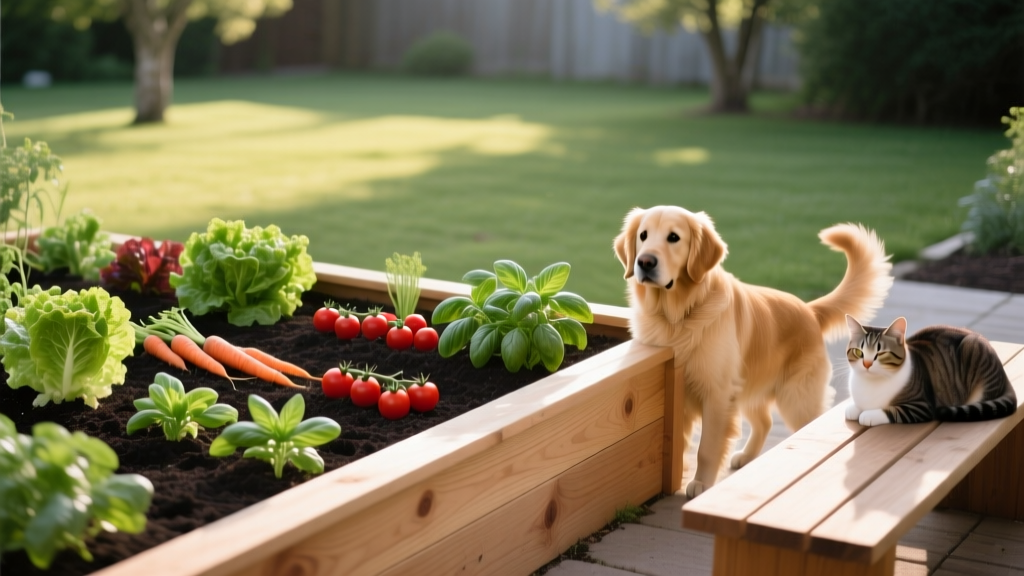
Pet-Safe Raised Bed Gardening: Family-Friendly Guide
James MillerPublished
Creating a Safe Haven: Pet and Family-Friendly Raised Beds
Gardening is a wonderful way to connect with nature, teach children about where their food comes from, and enjoy the outdoors with your furry companions. However, a traditional ground-level garden can easily become a trampled mess when a golden retriever decides to dig for moles, or a toddler wanders through the tomato vines. Furthermore, many common gardening materials, fertilizers, and even certain vegetables pose hidden toxicity risks to pets and young children. Building a raised bed vegetable garden is the ultimate solution for families who want a thriving, productive yard without compromising the safety of their loved ones or pets.
In this comprehensive guide, we will explore how to design, construct, and plant a raised bed garden that is entirely safe for dogs, cats, and curious toddlers. From selecting non-toxic building materials to choosing pet-safe fertilizers and natural pest control methods, these actionable tips will help you cultivate a beautiful, family-friendly oasis.
Selecting Non-Toxic Materials for Your Raised Beds
The foundation of any safe raised bed is the material used to build it. While pressure-treated lumber is inexpensive and resistant to rot, older pressure-treated wood often contained Chromated Copper Arsenate (CCA), which includes arsenic. Although CCA was phased out for residential use in 2003, modern copper-based treatments (like ACQ or MCQ) can still leach heavy metals into the soil over time. According to the University of Maryland Extension, it is always best to avoid any chemically treated lumber when growing edibles, especially in yards where pets might chew on the wood or children might touch it and then put their hands in their mouths.
Recommended Safe Materials:
- Untreated Western Red Cedar or Black Locust: These woods are naturally rot-resistant and insect-repellent without the need for chemical treatments. A standard 4x8-foot bed built with 2x6-inch cedar boards will cost approximately $120 to $160 in materials and should last 10 to 15 years.
- Composite Lumber: Brands like Trex are made from a blend of recycled wood fibers and plastic. While the upfront cost is higher (often $250+ per 4x8 bed), composite boards are completely non-toxic, splinter-free, and will never rot or require sealing.
- Corrugated Galvanized Steel: Metal raised beds are incredibly durable and safe, provided they have a food-safe powder coating or are untreated galvanized steel. They also warm up quickly in the spring, giving your family an early start on the growing season.
Materials to Strictly Avoid: Never use old railway ties or telephone poles. These are heavily treated with creosote, a toxic, carcinogenic wood preservative that will leach into your soil and is highly dangerous to pets who might chew on the wood or roll in the adjacent dirt.
Designing for Curious Paws and Little Hands
When designing your layout, consider the physical interaction your family and pets will have with the space. A standard 11-inch deep raised bed is fine for keeping weeds out, but it does little to deter a digging dog or a wandering toddler. For a truly pet and family-friendly yard, elevate your beds.
- Optimal Height: Build your beds 24 to 36 inches high. This height acts as a natural physical barrier that discourages most dogs from jumping in or digging, and it prevents toddlers from accidentally falling into the soil. It also provides excellent ergonomic access for adults and wheelchair users.
- Rounded Corners: Sharp wooden corners can cause injuries during active backyard play. Use a router to round off the edges of your wooden beds, or install rubber corner guards.
- Safe Pathways: The paths between your beds are just as important as the beds themselves. Avoid cocoa bean mulch at all costs; it contains theobromine and caffeine, making it highly toxic to dogs if ingested. Instead, use smooth river rock, shredded cedar mulch, or creeping thyme as a durable, pet-safe ground cover.
Choosing Pet-Safe and Kid-Friendly Edibles
It is a common misconception that all homegrown vegetables are safe for pets. In reality, several staple garden crops belong to plant families that are highly toxic to dogs and cats. The Allium family, which includes onions, garlic, chives, and leeks, contains compounds that cause oxidative damage to red blood cells in pets, leading to hemolytic anemia. The ASPCA's Toxic and Non-Toxic Plants database is an essential resource for cross-referencing your seed catalog before planting.
Below is a comparison chart to help you plan a garden that is safe for the whole family, including the four-legged members.
| Category | Safe for Pets & Kids | Toxic / Hazardous |
|---|---|---|
| Root Vegetables | Carrots, Radishes, Sweet Potatoes | Onions, Garlic, Leeks |
| Fruiting Crops | Tomatoes (ripe fruit only), Peppers, Cucumbers | Tomato leaves/stems (solanine), Unripe green tomatoes |
| Leafy Greens | Lettuce, Spinach, Swiss Chard | Rhubarb leaves (oxalic acid) |
| Herbs & Flowers | Basil, Parsley, Sunflowers, Nasturtiums | Chives, Foxglove, Lilies |
Note: While the ripe fruit of a tomato plant is safe, the leaves and stems contain solanine, which can cause gastrointestinal distress in dogs and cats. If you grow tomatoes, ensure fallen leaves are promptly removed and consider placing a small decorative fence around the plant.
Soil Amendments and Fertilizers: Hidden Hazards
Enriching your soil is critical for a bountiful harvest, but many popular organic fertilizers are surprisingly dangerous to dogs. Products like bone meal, blood meal, and feather meal are rich in nitrogen and phosphorus, making them excellent for plant growth. However, to a dog's sensitive nose, bone meal smells exactly like a delicious treat. Ingestion of large quantities of bone meal can cause severe gastrointestinal blockages or life-threatening pancreatitis.
Pet-Safe Fertilizer Alternatives:
- Vegan Compost: High-quality, plant-based compost is the safest and most effective way to build soil structure and fertility without attracting wildlife or pets.
- Kelp Meal: Packed with trace minerals and micronutrients, kelp meal improves plant vigor and disease resistance without the savory scent of animal byproducts.
- Alfalfa Meal: A fantastic source of slow-release nitrogen and triacontanol (a natural growth stimulant), alfalfa meal is safe if a curious pup happens to take a nibble.
Natural and Safe Pest Management
Slugs and snails can decimate a young vegetable garden overnight. The traditional remedy is slug bait containing metaldehyde, a chemical that is extremely lethal to dogs and cats, even in small amounts. The symptoms of metaldehyde poisoning include tremors, seizures, and hyperthermia, and there is no direct antidote.
Instead, opt for baits made with Iron Phosphate. According to the National Pesticide Information Center (NPIC), iron phosphate is highly effective against slugs and snails but is considered safe for use around pets, children, and wildlife. When ingested by a slug, it stops them from feeding, and any unconsumed bait naturally breaks down into iron and phosphate, acting as a mild fertilizer for your soil.
Additionally, embrace companion planting to deter pests naturally. Planting pungent marigolds around the perimeter of your raised beds can help repel nematodes and certain beetles, while nasturtiums act as a trap crop for aphids, keeping them away from your family's leafy greens.
Conclusion: A Thriving, Safe Garden for Everyone
Creating a pet-safe and family-friendly raised bed garden requires a bit of extra forethought, but the rewards are immeasurable. By investing in untreated cedar or composite materials, elevating your beds to protect against trampling, avoiding toxic Alliums and animal-based fertilizers, and utilizing iron phosphate for pest control, you can cultivate a vibrant, productive garden space. This mindful approach ensures that your backyard remains a secure sanctuary where children can learn the magic of growing their own food, and pets can safely lounge in the sun beside the blossoming vegetables.
