Gardening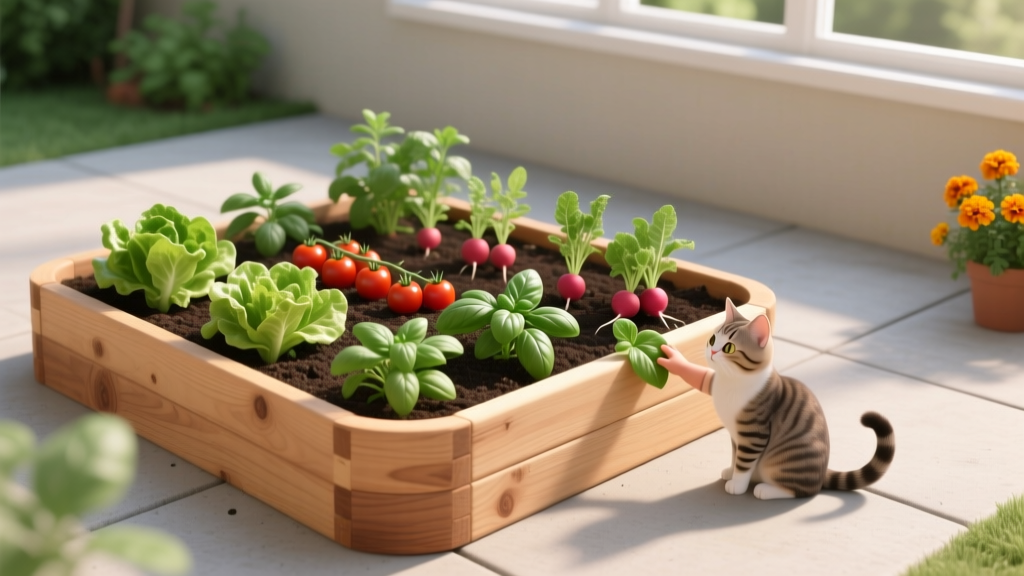
Designing a Pet-Safe and Child-Friendly Raised Bed Vegetable Garden
Anna KowalskiPublished
The Joy of a Shared Family Garden
Gardening is a profoundly rewarding activity that connects us with nature, provides fresh produce, and teaches children valuable lessons about biology and responsibility. However, when your garden is shared with curious toddlers and enthusiastic pets, standard gardening practices can inadvertently introduce serious hazards. From toxic soil amendments to sharp landscape timber edges, a traditional garden setup requires a careful safety audit before you plant your first seed.
Designing a pet-safe and child-friendly raised bed vegetable garden allows you to control the environment from the ground up. By carefully selecting non-toxic materials, avoiding dangerous fertilizers, and choosing family-friendly plants, you can create a thriving oasis that is as safe as it is productive. This comprehensive guide will walk you through the exact measurements, material choices, and organic practices needed to build a garden where both your harvest and your loved ones can flourish.
Choosing Safe Raised Bed Materials
The foundation of any raised bed is the material used to construct its walls. Historically, gardeners relied on pressure-treated lumber or repurposed railroad ties. However, these materials pose severe risks to pets and children who may chew on the wood or absorb chemicals through their skin.
Materials to Avoid
- CCA-Treated Wood: Chromated copper arsenate (CCA) was commonly used in pressure-treated lumber until 2003. It contains arsenic, which can leach into the soil and be absorbed by root vegetables or ingested by dogs chewing on the bed edges.
- Railroad Ties: Often preserved with creosote, a toxic chemical compound that can cause severe skin irritation and internal damage if ingested by pets or handled by toddlers.
- Recycled Plastic Tires: Can leach heavy metals and volatile organic compounds (VOCs) into your soil, especially when heated by the summer sun.
Safe and Durable Alternatives
- Untreated Cedar or Redwood: Naturally rot-resistant and insect-repellent without chemical treatments. Cedar is the gold standard for family gardens. Expect to pay around $4 to $6 per linear foot for high-quality cedar boards.
- Composite Lumber: Made from recycled wood fibers and plastics, composite boards are completely non-toxic, splinter-free (ideal for little hands and paws), and last for decades. They are more expensive upfront, often costing $8 to $12 per linear foot, but require zero maintenance.
- Galvanized Steel: Modern galvanized steel raised beds are coated with zinc, which is safe for soil and plants. They are highly durable, deter digging dogs, and warm up quickly in the spring to promote early seed germination.
Sizing Your Beds for Toddlers and Dogs
The dimensions of your raised beds dictate how accessible they are for children and how well they deter unwanted pet interference.
- Width: Keep beds no wider than 4 feet. This ensures that an adult can reach the center from either side without stepping into the bed, and it allows toddlers to safely harvest from the edges without tumbling in.
- Height: For families with medium to large dogs, a bed height of 18 to 24 inches is highly recommended. This height discourages dogs from stepping into the bed to dig or relieve themselves, while still allowing older children to help with planting and weeding. If you have toddlers, a 12-inch height is easier for them to peer over, but you may need to install a temporary chicken-wire barrier to keep puppies out.
Mixing a Pet-Safe Organic Soil Blend
Soil preparation is where many well-meaning gardeners accidentally introduce toxins. Dogs are notorious for sniffing, licking, and even eating soil amendments. According to the ASPCA Animal Poison Control Center, many common organic fertilizers are highly attractive to dogs but can cause severe gastrointestinal distress or life-threatening blockages.
Amendments to Strictly Avoid
- Bone Meal and Blood Meal: These smell like food to dogs. Ingestion can cause severe vomiting, diarrhea, and in the case of bone meal, a rock-hard bezoar (blockage) in the stomach that requires emergency surgery.
- Cocoa Bean Mulch: Made from the hulls of cacao beans, this mulch contains theobromine—the same compound that makes chocolate toxic to dogs. Even a small handful can be fatal.
- Raw Manure: Can harbor dangerous pathogens like E. coli and Salmonella, which are easily transmitted to toddlers playing in the dirt.
The Ultimate Family-Safe Soil Recipe
Instead of risky amendments, use a high-quality, fully composted organic mix. Look for products certified by the Organic Materials Review Institute (OMRI) to ensure they are free from synthetic chemicals and heavy metals. A safe, nutrient-dense recipe for a 4x8 foot bed (which requires roughly 24 cubic feet of soil) is:
- 40% Premium Organic Topsoil: Provides the base structure and essential minerals.
- 30% OMRI-Listed Compost: Use a diverse, plant-based compost (like mushroom or leaf mold) rather than manure-based, to provide slow-release nutrients safely.
- 20% Coconut Coir: A sustainable alternative to peat moss that retains moisture beautifully and is completely non-toxic if a pet decides to nibble on it.
- 10% Coarse Vermiculite: Improves drainage and aeration, preventing root rot without introducing any chemical hazards.
Plant Selection: Safe Harvests and Toxic Dangers
When gardening with children who are prone to taste-testing and pets that may graze on foliage, plant selection is critical. While most standard vegetables are safe, some common garden plants and companion flowers are highly toxic.
| Plant Category | Pet-Safe and Toddler-Friendly Options | Toxic Plants to Strictly Avoid |
|---|---|---|
| Vegetables | Snap Peas, Cherry Tomatoes, Carrots, Zucchini, Bush Beans | Onions, Garlic, Chives (Alliums cause hemolytic anemia in dogs/cats), Rhubarb Leaves (contain toxic oxalic acid) |
| Herbs | Basil, Thyme, Rosemary, Cilantro, Dill, Mint | Tarragon, Wormwood, Pennyroyal, Rue |
| Companion Flowers | Nasturtiums, Calendula, Pansies, Sunflowers, Zinnias | Foxglove, Larkspur, Oleander, Lily of the Valley, Sago Palm |
Always consult the ASPCA's comprehensive toxic plant database before introducing any new ornamental or companion plant to your family garden.
Pet-Safe Pest Control and Fertilization
Pests are an inevitable part of vegetable gardening, but reaching for conventional chemical pesticides is not an option in a family-friendly yard. Slugs and snails, for example, can decimate a crop of tender lettuce seedlings overnight. However, traditional slug baits contain metaldehyde, a neurotoxin that is highly attractive to dogs due to its grain-based carrier and is frequently fatal if ingested.
Instead, follow the EPA's Safe Pest Control guidelines and utilize natural, targeted alternatives:
- Iron Phosphate Baits: Products like Sluggo use iron phosphate to control slugs and snails. It is completely safe for pets, wildlife, and children, and any unconsumed bait naturally breaks down into a soil fertilizer.
- Neem Oil: An excellent organic spray for controlling aphids, mites, and whiteflies. Mix 1 tablespoon of cold-pressed neem oil with 1 teaspoon of mild liquid castile soap and a quart of water. Spray in the early evening to avoid harming beneficial pollinators like bees.
- Beneficial Nematodes: These microscopic worms can be watered into the soil to destroy the larvae of pests like Japanese beetles and cutworms. They are completely harmless to mammals, birds, and earthworms.
- Physical Barriers: Floating row covers made of lightweight spunbond fabric protect young seedlings from flea beetles and cabbage moths while allowing sunlight and rain to penetrate. They also serve as a gentle visual barrier to keep curious pets from trampling delicate sprouts.
Distraction Techniques: The Decoy Digging Pit
Even the most well-behaved family dog may view a freshly turned, fragrant raised bed as an irresistible invitation to dig. Rather than constantly scolding your pet, incorporate a dedicated digging pit into your garden design. Construct a small, shallow sandbox (about 3x3 feet) in a shaded corner of the yard, fill it with loose, safe topsoil and sand, and bury a few of their favorite toys or hard treats. Praise and reward them heavily when they dig in the designated area. This positive redirection saves your vegetable roots and keeps your dog happily engaged in the garden space alongside you.
Water Safety and Irrigation
Standing water and heavy hoses present hidden dangers to toddlers and pets. Avoid using large, open rain barrels unless they are securely covered with a heavy, lockable lid to prevent drowning hazards. For irrigation, opt for a drip irrigation system or soaker hoses laid beneath a layer of safe, untreated straw mulch. This not only conserves water and keeps plant foliage dry (preventing fungal diseases) but also eliminates the tripping hazard of heavy rubber hoses and removes the temptation for dogs to chew on pressurized spray nozzles.
Conclusion
Creating a pet-safe and child-friendly raised bed vegetable garden requires thoughtful planning, but the payoff is immeasurable. By investing in non-toxic cedar or composite materials, mixing a safe, organic soil blend, and choosing family-friendly plants, you cultivate more than just vegetables. You cultivate a secure, educational, and joyful outdoor sanctuary where your children can learn to nurture life, and your pets can safely enjoy the fresh air by your side.
