Gardening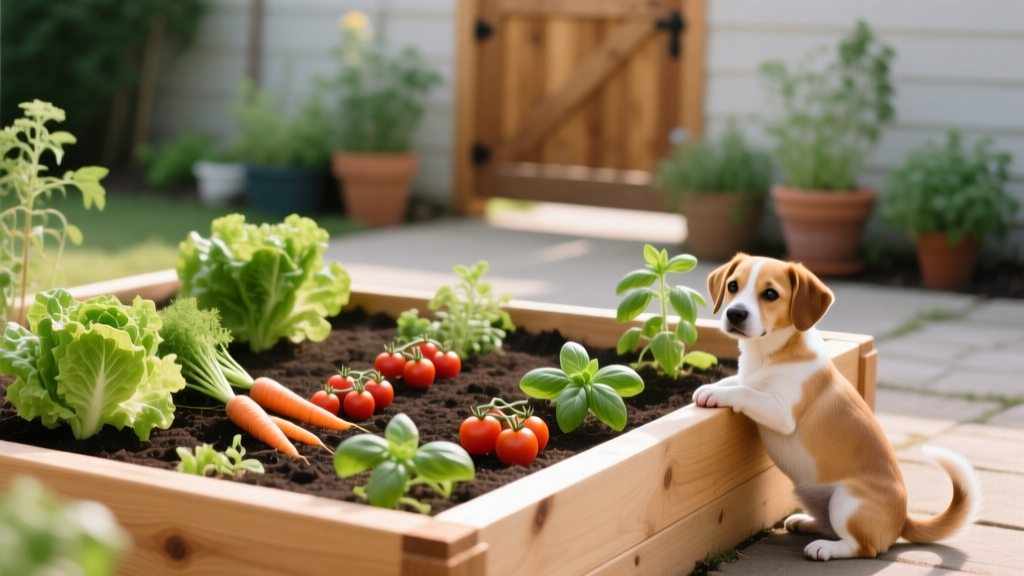
Pet-Safe Vegetable Gardening: Family-Friendly Tips
Sarah ChenPublished
The Importance of a Pet-Safe and Family-Friendly Garden
Gardening is a wonderful way to connect with nature, teach children about where their food comes from, and enjoy the outdoors. However, when you share your yard with curious toddlers and enthusiastic pets, standard gardening practices can inadvertently pose serious risks. Dogs love to dig in freshly turned soil, cats may nibble on tender shoots, and toddlers are notorious for putting dirty hands and mysterious leaves into their mouths. Designing a garden that is both productive and safe requires careful planning, from the materials you use to build your beds to the specific plant varieties you choose to grow.
According to the ASPCA's Toxic and Non-Toxic Plants database, many common garden plants and landscaping materials can cause severe gastrointestinal distress, neurological issues, or worse in dogs and cats. By shifting your approach to prioritize pet and family safety, you can cultivate a thriving vegetable and herb garden that offers peace of mind alongside your harvest.
Designing the Layout: Raised Beds and Containers
For families with pets and small children, traditional in-ground row gardening is often impractical. Dogs view freshly tilled soil as an invitation to dig, and toddlers can easily trample delicate seedlings. Raised beds and container gardening offer a structured, elevated solution that defines the boundaries of the garden and keeps fragile plants out of the direct line of foot and paw traffic.
Ideal Dimensions and Materials
When constructing raised beds, aim for dimensions that are manageable and safe. A standard 4-foot by 8-foot bed is ideal because it allows you to reach the center from either side without stepping into the soil. For depth, an 18-inch to 24-inch height is highly recommended. This height is deep enough to grow root vegetables like carrots and parsnips, while being tall enough to deter most dogs from stepping inside. Furthermore, it brings the garden closer to waist level, making it easier for parents to tend to the plants while keeping a watchful eye on toddlers.
According to the University of Minnesota Extension, the material you choose for your raised beds is critical for soil health and safety. Avoid pressure-treated lumber, especially older varieties treated with chromated copper arsenate (CCA), which can leach heavy metals into the soil. Instead, opt for naturally rot-resistant, untreated woods like cedar or redwood, or use food-grade composite materials. Expect to spend between $150 and $250 on materials for a single 4x8 cedar raised bed.
Selecting Pet-Safe and Toddler-Friendly Edibles
Not all vegetables are safe for pets. While humans can safely digest the leaves and stems of many common crops, these same plant parts can be highly toxic to dogs and cats. The nightshade family, for example, includes tomatoes, potatoes, and eggplants. While the ripe fruits are generally safe, the leaves, stems, and unripe green parts contain solanine, a compound that is highly toxic to pets. Similarly, alliums (onions, garlic, chives, and leeks) contain compounds that can cause hemolytic anemia in dogs and cats, even in small amounts.
Below is a comparison chart to help you plan a safe, family-friendly vegetable and herb garden:
| Category | Safe for Pets & Toddlers | Toxic / Dangerous to Pets |
|---|---|---|
| Fruiting Vegetables | Snap Peas, Green Beans, Zucchini, Cucumbers, Bell Peppers | Tomatoes (leaves/stems), Eggplant (leaves/stems), Unripe Green Potatoes |
| Root Vegetables | Carrots, Sweet Potatoes, Radishes, Beets | Onions, Garlic, Leeks, Chives (Allium family) |
| Leafy Greens | Spinach, Lettuce, Swiss Chard, Kale | Rhubarb (leaves contain oxalic acid) |
| Herbs | Basil, Cilantro, Dill, Rosemary, Thyme, Mint | Chives, Oregano (can cause mild GI upset in large amounts) |
| Flowers (Edible/Companion) | Sunflowers, Nasturtiums, Calendula, Zinnias | Foxglove, Oleander, Lily of the Valley, Larkspur |
Always consult your veterinarian or the ASPCA database if you are unsure about a specific plant's toxicity profile before introducing it to your yard.
Soil, Mulch, and Fertilizer Safety
The foundation of any great garden is its soil, but commercial fertilizers and mulches can hide hidden dangers for pets. Many commercial fertilizers rely on bone meal, blood meal, or fish emulsion. While these are excellent organic sources of nitrogen and phosphorus, their strong scents are incredibly enticing to dogs. Ingesting large quantities of bone meal can cause severe gastrointestinal blockages or pancreatitis.
A Safe, DIY Soil Recipe
To avoid these risks, mix your own pet-safe soil blend. A modified version of the classic "Mel's Mix" works beautifully for raised beds:
- 1/3 Compost: Use a diverse, well-aged organic compost. Avoid composts that contain added synthetic fertilizers.
- 1/3 Coco Coir or Peat Moss: Coco coir is a highly sustainable, pet-safe alternative to peat moss that retains moisture brilliantly.
- 1/3 Coarse Vermiculite: This natural mineral helps with aeration and water retention, and is completely non-toxic if accidentally ingested in small amounts by a curious toddler.
The Danger of Cocoa Bean Mulch
Cocoa bean mulch is popular for its rich color and pleasant chocolate scent. However, just like chocolate bars, cocoa mulch contains theobromine and caffeine. According to a Poison Alert issued by the ASPCA, ingestion of cocoa mulch by dogs can lead to vomiting, diarrhea, rapid heart rate, tremors, and even seizures. For a family-friendly yard, substitute cocoa mulch with untreated cedar mulch, pine straw, or shredded leaves, all of which are safe and help retain soil moisture.
Natural and Pet-Safe Pest Management
When bugs attack your vegetables, the instinct might be to reach for a chemical pesticide. However, broad-spectrum insecticides and chemical slug baits are highly toxic to pets, wildlife, and beneficial insects like bees. The Environmental Protection Agency (EPA) strongly advocates for integrated pest management (IPM) and safer, targeted pest control methods, especially in areas where children and pets play.
Safe Alternatives for Common Garden Pests
- Slugs and Snails: Avoid metaldehyde-based slug baits, which are fatal to dogs. Instead, use iron phosphate-based baits (such as Safer Brand Slug & Snail Killer), which are approved for organic gardening and safe around pets. Alternatively, wrap copper tape around the base of your raised beds to create a mild, natural electric barrier that repels slugs without chemicals.
- Aphids and Mites: A simple spray of cold-pressed Neem oil mixed with a few drops of mild castile soap and water is highly effective. Apply it in the early evening to avoid harming foraging bees. You can also introduce live ladybugs to your garden, which toddlers will love watching as they naturally devour aphids.
- Cabbage Worms: Use floating row covers to physically block butterflies from laying eggs on your brassicas, or apply Bacillus thuringiensis (Bt), a naturally occurring soil bacteria that targets only specific caterpillars and is completely harmless to mammals, birds, and pets.
Creating a Designated Digging Zone
Even with raised beds, some dogs have a natural, unyielding instinct to dig. Rather than constantly punishing your pet or risking your carefully cultivated root vegetables, incorporate a "digging zone" into your landscape design. Choose a shady corner of the yard and build a simple wooden sandbox, or designate a 3x3 foot patch of loose dirt and sand. Bury some of your dog's favorite durable toys in this area to encourage them to dig there instead of in the garden. Whenever you catch them digging in the appropriate zone, offer enthusiastic praise and a treat. This redirection technique saves your garden and keeps your pet happily entertained.
Conclusion
Creating a pet-safe and toddler-friendly vegetable garden does not mean sacrificing your harvest or your landscape's aesthetic. By utilizing elevated cedar raised beds, carefully selecting non-toxic plant varieties, mixing your own organic soil, and embracing natural pest control, you can cultivate a vibrant, productive garden. This thoughtful approach ensures that your outdoor space remains a sanctuary for your entire family—whether they have two legs, four paws, or a penchant for eating dirt.
