Gardening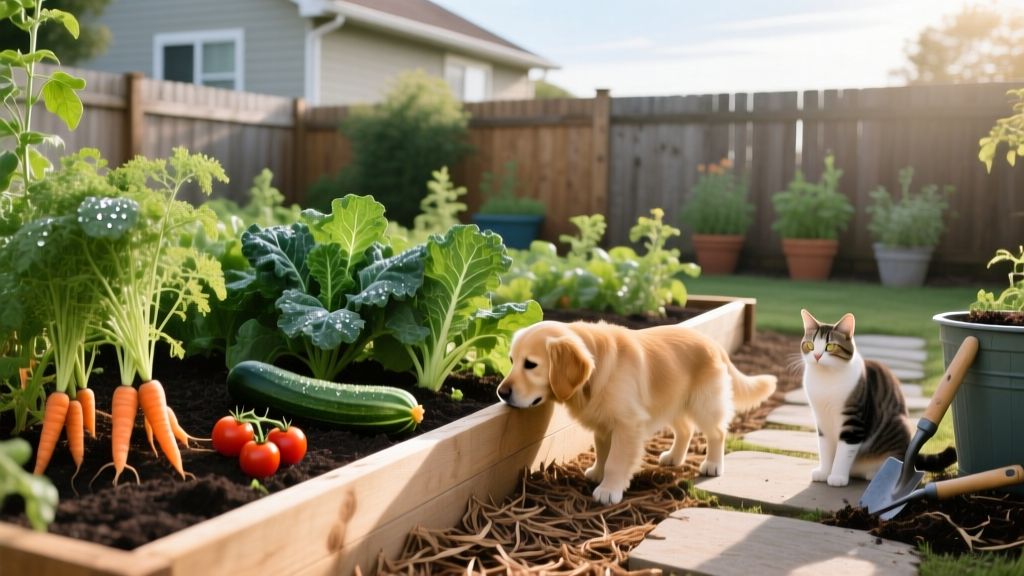
Pet-Safe Vegetable Gardening: A Family-Friendly Guide
David ParkPublished
Why Garden Safety Matters for Pets and Kids
Gardening is a deeply rewarding hobby that offers families a chance to connect with nature, teach children about biology, and harvest fresh, organic produce right from the backyard. However, when you share your outdoor space with curious toddlers and foraging pets, the garden can quickly become a landscape of hidden hazards. Dogs and cats are notorious for digging up freshly turned soil, chewing on unfamiliar leaves, and ingesting organic fertilizers that smell appealing to them. According to the ASPCA's Toxic and Non-Toxic Plants database, thousands of pets are treated annually for plant poisoning and fertilizer ingestion. By thoughtfully designing your vegetable garden, selecting non-toxic crops, and utilizing safe soil amendments, you can cultivate a thriving, edible oasis that is entirely secure for your entire family.
Designing the Layout: Raised Beds and Barriers
The cornerstone of a pet-and-family-friendly vegetable garden is the raised bed. Planting directly in the ground leaves your crops vulnerable to trampling paws, digging claws, and pet waste. Raised beds provide a controlled environment where you can dictate the soil quality and establish clear physical boundaries for children and pets.
Recommended Raised Bed Dimensions
- Width: 4 feet. This ensures that children and adults can easily reach the center of the bed from either side without stepping into the soil and compacting it.
- Length: 8 feet. A standard, manageable size that provides 32 square feet of growing space.
- Height: 18 to 24 inches. This height is crucial for pet safety. It deters most dogs from using the bed as a litter box and prevents toddlers from easily tumbling into the soil. As noted by the University of Minnesota Extension, taller raised beds also improve drainage and warm up faster in the spring.
- Materials: Use untreated cedar, redwood, or composite lumber. Avoid pressure-treated wood or old railroad ties, which can leach harmful chemicals like arsenic or creosote into the soil where children play and root vegetables grow.
- Base Protection: Line the bottom of the bed with 1/2-inch galvanized hardware cloth. This prevents burrowing pests like gophers from entering, while also stopping determined terriers from digging up into the bed from below.
Pet-Safe Vegetables and Herbs to Cultivate
When planting a garden accessible to pets, it is vital to choose crops where both the fruit and the foliage are non-toxic. While many vegetables are safe for humans, their leaves and stems can cause gastrointestinal distress or neurological issues in dogs and cats. For a worry-free harvest, focus on these family-friendly, pet-safe options:
- Carrots and Radishes: Root vegetables are excellent because the edible portion is hidden underground. The feathery carrot tops and radish leaves are completely non-toxic to pets if they happen to take a nibble.
- Cucumbers and Zucchini: These sprawling vines are safe, and their large leaves provide excellent ground cover that helps retain soil moisture.
- Green Beans and Snap Peas: Bush varieties are perfect for children to harvest. The entire plant, including the leaves, stems, and pods, is safe for pets.
- Basil, Thyme, and Rosemary: These culinary herbs are not only safe but their strong aromatic oils can actually act as a mild, natural deterrent to neighborhood cats looking for a soft place to dig.
Plants and Mulches to Strictly Avoid
Some of the most common vegetables and garden amendments are highly toxic to pets. The Allium family—which includes onions, garlic, leeks, and chives—contains compounds that can cause hemolytic anemia in dogs and cats, destroying their red blood cells. Similarly, while the stalks of rhubarb are a gardening favorite, the large green leaves contain dangerous levels of oxalic acid, which can lead to kidney failure.
Mulching is essential for water retention, but you must avoid cocoa bean mulch. Made from the hulls of cocoa beans, this mulch smells like chocolate and is highly attractive to dogs. However, it contains theobromine and caffeine, the same toxins found in dark chocolate, which can be fatal if ingested. The Pet Poison Helpline frequently warns pet owners about the severe risks of cocoa mulch, recommending shredded cedar or pine bark as safe alternatives.
Comparison Chart: Safe vs. Hazardous Garden Elements
| Category | Safe for Pets & Kids | Toxic / Hazardous to Avoid |
|---|---|---|
| Vegetables | Carrots, Cucumbers, Green Beans, Peas | Onions, Garlic, Rhubarb Leaves, Tomato Leaves |
| Herbs | Basil, Rosemary, Thyme, Parsley | Chives, Tarragon, Foxglove, Oleander |
| Mulch | Shredded Cedar, Pine Needles, Straw | Cocoa Bean Mulch, Dyed Wood Chips |
| Fertilizers | Plant-based Compost, Alfalfa Meal | Blood Meal, Bone Meal, Synthetic Urea |
| Pest Control | Iron Phosphate, Neem Oil, Ladybugs | Metaldehyde Slug Bait, Rat Poison |
Choosing Safe Fertilizers and Pest Control
Organic does not always mean pet-safe. Many gardeners swear by blood meal and bone meal as organic nitrogen and phosphorus sources. Unfortunately, these highly processed animal byproducts smell like food to dogs. If a dog digs up and ingests a large amount of bone meal, it can form a concrete-like mass in their stomach, leading to severe intestinal blockages or life-threatening pancreatitis. Instead, opt for veganic (plant-based) fertilizers such as alfalfa meal, kelp extract, or well-aged, plant-based compost.
When dealing with slugs and snails, avoid traditional blue slug baits containing metaldehyde, which is highly toxic to wildlife, pets, and children. Instead, use baits formulated with iron phosphate (such as the brand Sluggo). Iron phosphate is naturally occurring in soil, effectively stops slugs from feeding, and is certified safe for use around pets and children. For crawling insects, food-grade diatomaceous earth is an excellent, non-toxic barrier, provided you apply it on a calm day to avoid inhaling the fine dust.
Family Garden Budget and Planting Timeline
Setting up a safe, accessible garden requires an initial investment, but it pays dividends in family bonding and grocery savings. Here is a realistic budget and timeline for a single 4x8 raised bed designed for family use.
- Estimated Costs: Untreated cedar lumber and hardware cloth ($160); Premium organic raised bed soil and compost ($130); Iron phosphate pest control and safe seeds ($45). Total initial investment: approximately $335.
- March (Preparation): Build the raised beds, line the bottom with hardware cloth, and fill with soil. Allow the soil to settle and warm up. Introduce children to the space by letting them help measure and hammer safe, blunt wooden stakes.
- April (Cool-Season Planting): Direct sow carrots, radishes, and snap peas. These grow quickly, providing early gratification for impatient toddlers and young children.
- May (Warm-Season Planting): Transplant bush cucumbers, zucchini, and basil. Install a small, child-height trellis for the peas and beans to climb, making harvesting at eye level easy for kids.
Creating a Dedicated Digging Zone
Even in a well-designed garden, dogs have natural instincts to dig. To protect your carefully cultivated vegetable beds, create a designated 'digging sandbox' for your pet in a different corner of the yard. Fill a shallow wooden frame or repurpose a plastic kiddie pool with a mix of play sand and loose topsoil. Bury a few of their favorite toys or treats just beneath the surface to encourage them to dig there instead of in your prize-winning carrot patch. By providing an engaging alternative, you preserve your garden's integrity while keeping your pet happily entertained.
Conclusion
A family-friendly vegetable garden is entirely achievable with a bit of proactive planning. By elevating your growing space in cedar raised beds, strictly avoiding allium and nightshade foliage, and swapping out hazardous bone meals and cocoa mulches for plant-based alternatives, you create a sanctuary where nature thrives safely. Gardening with your children and pets should be a source of joy, not anxiety. With these pet-safe practices in place, you can confidently watch your family and your garden grow together, season after season.
