
Landscaping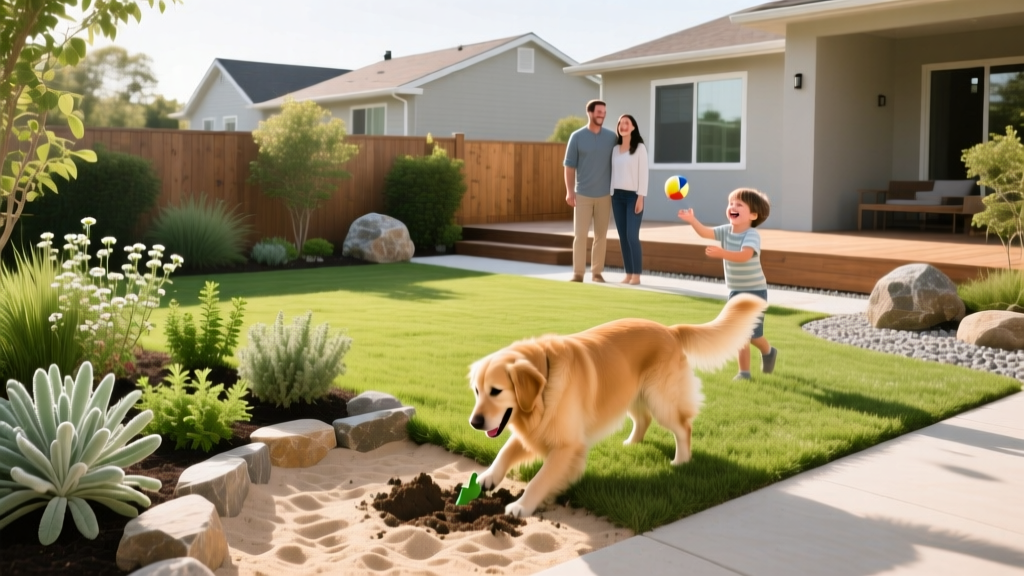
Pet-Safe Landscaping: Non-Toxic Plants and Durable Turf
James MillerPublished
Designing a Pet-Safe and Family-Friendly Landscape
Creating a beautiful yard that can withstand the pitter-patter of children's feet and the enthusiastic paws of your dog is one of the greatest challenges in residential landscaping. A pristine, delicate garden simply cannot survive a game of fetch or a toddler running through the flower beds. However, you do not have to sacrifice curb appeal for functionality. By selecting durable turfgrass, integrating non-toxic flora, and establishing designated activity zones, you can cultivate a thriving, pet-safe landscape that serves as a safe haven for your entire family. This comprehensive guide will walk you through the essential hardscaping, planting, and maintenance strategies required to build a resilient, family-friendly outdoor space.
Selecting High-Traffic, Durable Turfgrass
The foundation of any family-friendly yard is a lawn that can recover quickly from heavy foot and paw traffic. When selecting grass, you must consider your local climate, soil type, and the specific wear-and-tear your yard will endure. According to experts at Cornell University's Turfgrass program, choosing the right cultivar is critical for long-term lawn survival without the constant need for reseeding.
For cool-season climates (USDA Zones 3-7), a blend of Kentucky Bluegrass and Perennial Ryegrass is highly recommended. Kentucky Bluegrass spreads via underground rhizomes, allowing it to naturally fill in bare spots caused by dog runs or soccer games. Perennial Ryegrass germinates rapidly and provides immediate, tough coverage. For warm-season climates (USDA Zones 7-11), 'Zeon' Zoysia and 'Midiron' Bermuda grass are exceptional choices. Both boast incredible drought tolerance and high traffic resilience, though Bermuda requires full sun while Zoysia can handle partial shade.
Turfgrass Comparison for Active Yards
| Grass Type | Climate Zone | Traffic Tolerance | Recovery Rate | Estimated Sod Cost (per sq. ft.) |
|---|---|---|---|---|
| Kentucky Bluegrass | Cool-Season | High | Fast (Rhizomes) | $0.45 - $0.75 |
| Perennial Ryegrass | Cool-Season | Very High | Moderate (Bunch-type) | $0.40 - $0.60 |
| 'Zeon' Zoysia | Warm-Season | High | Moderate (Stolons) | $0.60 - $0.85 |
| 'Midiron' Bermuda | Warm-Season | Very High | Very Fast | $0.50 - $0.70 |
| Palmetto St. Augustine | Warm-Season | Moderate | Fast (Stolons) | $0.55 - $0.80 |
Pro Tip: If your dog has a habit of creating urine burn spots due to high nitrogen levels in their waste, consider incorporating micro-clover (Trifolium repens) into your seed mix. Clover is naturally nitrogen-fixing, drought-tolerant, and highly resistant to urine spotting, making it an excellent, low-maintenance alternative or companion to traditional turf.
Curating a Non-Toxic Plant Palette
Curiosity can be dangerous for pets and toddlers who explore the world by touching and tasting. Many common ornamental plants are highly toxic if ingested. For instance, Sago Palms contain cycasin, which causes severe liver failure in dogs, while Oleander, Azaleas, and Foxglove contain cardiac glycosides that can be fatal. Before purchasing any nursery stock, cross-reference your choices with the ASPCA's Toxic and Non-Toxic Plants database.
Top Pet-Safe Alternatives for Garden Beds
- Snapdragons (Antirrhinum majus): A fantastic, non-toxic alternative to Foxglove, offering tall, colorful spikes that are safe for curious nibblers.
- Boston Ferns (Nephrolepis exaltata): Perfect for shaded, humid corners of the yard or hanging baskets where pets cannot easily uproot them.
- Sunflowers (Helianthus annuus): Fast-growing, structurally impressive, and completely safe. They also attract beneficial pollinators to your garden.
- Camellias (Camellia japonica): A beautiful, non-toxic evergreen shrub that provides year-round structure and gorgeous blooms without the dangers of Azaleas.
- Spider Plants (Chlorophytum comosum): Great for shaded patio containers; they are tough, resilient, and entirely safe for cats and dogs.
Landscaper's Note: Even non-toxic plants can cause mild gastrointestinal upset if a dog or cat consumes them in large quantities. To protect your delicate garden beds, install low, decorative fencing or use raised cedar planter boxes (at least 24 inches high) to keep heavy paws and digging claws away from root systems.
Mulch, Hardscaping, and Paw Pad Safety
The materials you use to cover your soil and build your pathways play a massive role in yard safety. Cocoa bean mulch is a popular choice among gardeners due to its rich color and pleasant chocolate scent. However, it contains theobromine and caffeine—the same compounds that make chocolate toxic to dogs. Ingestion can lead to vomiting, diarrhea, tremors, and seizures. Instead, opt for pet-safe mulching alternatives like shredded cedar bark, pine bark nuggets, or untreated hardwood mulch. Cedar also has the added benefit of naturally repelling fleas and ticks.
When designing hardscaping elements like patios and pathways, consider the thermal properties of the materials. Dark-colored concrete pavers and asphalt can absorb immense amounts of heat during the summer, reaching temperatures high enough to severely burn a dog's paw pads or a toddler's bare feet. Choose lighter-colored natural stones, such as flagstone or light travertine, which reflect sunlight and remain cooler. If you must use gravel, avoid sharp, jagged stones like crushed granite. Opt instead for smooth pea gravel (3/8-inch size), which is comfortable on paws and provides excellent drainage.
Strategic Zoning: Digging Boxes and Potty Areas
Rather than fighting your dog's natural instincts to dig and forage, incorporate designated zones into your landscape design. A digging box can save your prized flower beds from destruction while providing excellent mental stimulation for your pet.
How to Build a 4x4 Foot Digging Zone
- Frame the Area: Use untreated, rot-resistant cedar boards (2x10 inches) to build a 4x4 foot square frame. Avoid pressure-treated lumber, as older treatments contained arsenic, and even modern copper-based treatments can be irritating to pets.
- Prepare the Base: Lay down a piece of heavy-duty landscape fabric at the bottom to prevent weeds from growing up into the box, but ensure it has small slits for drainage.
- Fill with Safe Material: Fill the box with a mixture of play sand and loose, organic potting soil. Avoid vermiculite or perlite, which dogs might mistake for food.
- Encourage Use: Bury your dog's favorite durable toys or treat-dispensing puzzles just beneath the surface to train them that this is the only acceptable place to dig.
For potty areas, consider installing a hidden dog run on the side of your house using a base of 3/4-inch crushed limestone topped with smooth river rocks. This allows urine to drain rapidly, prevents mud, and makes solid waste easy to spot and clean up.
Organic Lawn Care and Fertilizer Safety
Traditional synthetic lawn chemicals pose a significant risk to pets and children who play directly on the grass. Herbicides containing 2,4-D and synthetic pesticides can cling to grass blades and paw pads, eventually being ingested during grooming. According to the University of Minnesota Extension on Organic Lawn Care, transitioning to organic yard maintenance not only protects your family but also builds healthier, more resilient soil biology over time.
Replace synthetic pre-emergent herbicides with corn gluten meal, a natural byproduct of corn milling that inhibits weed seed germination while providing a slow-release nitrogen boost to your turf. For fertilization, rely on compost top-dressing. Applying a 1/4-inch layer of screened organic compost twice a year (in early spring and early fall) will introduce beneficial microbes to the soil, improve moisture retention, and naturally green up your lawn without the risk of chemical burns or toxic exposure. Always ensure any organic fertilizers, such as blood meal or bone meal, are stored securely in locked sheds, as their strong scents can attract dogs and lead to dangerous overconsumption.
Conclusion
Achieving a stunning, pet-safe landscape requires thoughtful planning, from selecting high-traffic turfgrass and non-toxic flora to utilizing safe mulches and organic lawn care practices. By designing with your family's lifestyle in mind—complete with strategic digging zones and durable hardscaping—you can create an outdoor sanctuary that is as safe as it is beautiful. Embrace these sustainable, family-friendly landscaping principles, and enjoy a yard where both your garden and your pets can thrive together for years to come.

