
Landscaping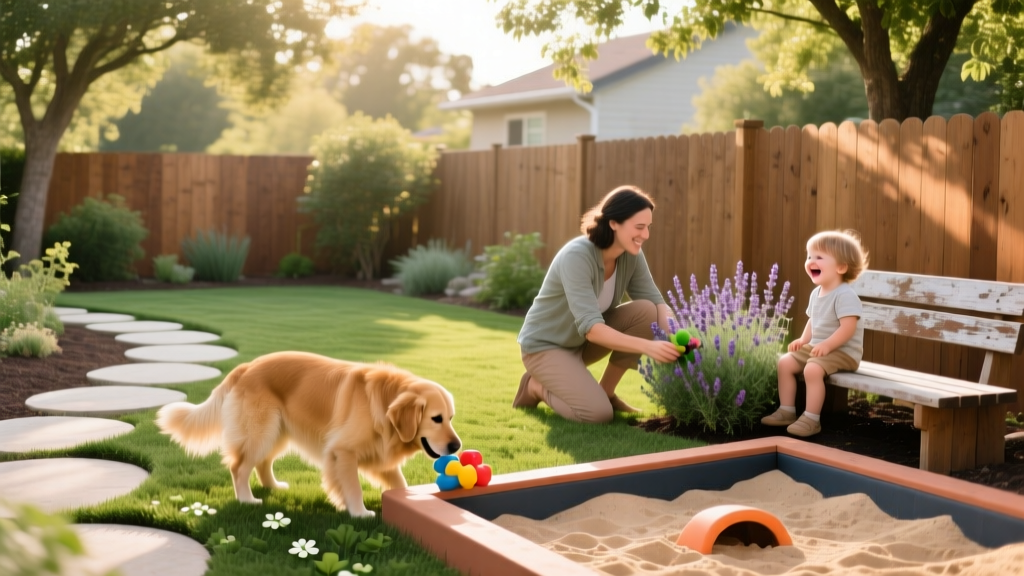
Pet and Toddler Safe Landscaping: A Non-Toxic Yard Guide
James MillerPublished
Designing a Safe Haven for Paws and Little Hands
Designing a landscape that caters to both curious toddlers and energetic dogs requires a delicate balance of aesthetics, durability, and above all, safety. Toddlers are notorious for exploring the world through touch and taste, while dogs often view the yard as a personal buffet, digging zone, and restroom. According to the ASPCA Animal Poison Control Center, thousands of pets are treated annually for plant toxicity, and toddlers face similar risks from common ornamental shrubs and chemical lawn treatments. Creating a pet and toddler safe yard is not about sacrificing beauty; it is about making informed, strategic choices regarding plant selection, ground covers, hardscaping materials, and organic maintenance routines. This comprehensive guide will walk you through the exact steps, measurements, and product recommendations needed to transform your outdoor space into a secure, non-toxic haven for your entire family.
The Hidden Dangers: Toxic Plants to Remove Immediately
Before planting a single new shrub, you must audit your existing landscape. Many popular ornamental plants are highly toxic to both dogs and small children if ingested. The Humane Society of the United States strongly recommends removing or fencing off any plants that pose a severe health risk.
- Sago Palm (Cycas revoluta): Extremely toxic to dogs. Ingestion of even a few seeds can cause severe liver failure and death. Remove these entirely if you have a dog that likes to chew on yard debris.
- Oleander (Nerium oleander): A common landscaping shrub in warmer climates. Every part of this plant is toxic and can cause severe cardiac issues in humans and pets.
- Foxglove (Digitalis purpurea): While beautiful, the leaves and flowers contain cardiac glycosides that are dangerous if a toddler or pet decides to sample them.
- Lily of the Valley (Convallaria majalis): A popular shade ground cover that is highly poisonous, causing vomiting, diarrhea, and heart arrhythmias.
- Yew (Taxus spp.): Often used as privacy hedges, yew berries and needles are highly toxic and can cause sudden heart failure in dogs.
Action Step: Walk your yard with a plant identification app or consult a local Master Gardener to identify and remove these hazards. When digging out toxic shrubs, wear gloves and dispose of them in sealed municipal yard waste bags, not your home compost bin.
Beautiful and Safe Plant Alternatives
Ridding your yard of toxic plants does not mean settling for a barren landscape. There are countless vibrant, non-toxic alternatives that thrive in various light conditions and provide excellent curb appeal.
- For Sunny Borders: Snapdragons (Antirrhinum), Sunflowers (Helianthus), and Zinnias are completely safe, add brilliant color, and attract beneficial pollinators without posing a risk to foraging pets.
- For Shady Areas: Astilbe, Camellias, and Boston Ferns are lush, non-toxic, and thrive in the same low-light conditions as the dangerous Lily of the Valley.
- For Privacy Screens: Instead of toxic Yew, plant Bamboo (ensure you use a clumping variety like Fargesia to prevent it from taking over the yard) or Arborvitae (Thuja), which are generally safe for pets and children.
Choosing Durable, Pet-Proof Ground Covers
Traditional Kentucky Bluegrass is notoriously susceptible to "dog spot" (nitrogen burn from urine) and struggles under the heavy foot traffic of running children and pets. When selecting a ground cover, prioritize deep-rooted, bunch-type grasses or legume alternatives.
| Ground Cover Type | Durability (Traffic) | Urine Resistance | Est. Cost per 1,000 sq ft | Maintenance Level |
|---|---|---|---|---|
| Tall Fescue | High | Moderate | $15 - $25 (Seed) | Moderate |
| White Clover | Moderate | High | $10 - $20 (Seed) | Low |
| Creeping Thyme | Low-Moderate | Low | $40 - $60 (Plugs) | Low |
| Bermudagrass | Very High | Moderate | $20 - $35 (Seed/Sod) | High |
Why White Clover is a Family Favorite: According to the University of Minnesota Extension, white clover is an excellent, low-maintenance lawn alternative. It stays green during droughts, requires no nitrogen fertilizer (it fixes its own nitrogen from the air), and is highly resistant to dog urine burns. Furthermore, clover is soft on toddler knees and does not stain clothing the way traditional grass does. To establish a clover lawn, overseed your existing turf at a rate of 2 to 8 ounces of seed per 1,000 square feet in early spring or early fall.
Family-Friendly Hardscaping and Mulch Safety
Hardscaping materials and mulches are often overlooked in family-friendly landscaping, yet they pose some of the most significant hidden dangers.
The Cocoa Bean Mulch Hazard
Cocoa bean hull mulch is popular for its rich, dark color and pleasant chocolate scent. However, it contains theobromine and caffeine—the same toxins found in chocolate. If a dog ingests this mulch, it can lead to vomiting, diarrhea, tremors, and even seizures. Never use cocoa mulch in a yard accessible to dogs.
Safe Mulch Alternatives
- Shredded Pine or Cedar: These are safe, natural, and help repel fleas and ticks due to their natural oils. They break down slowly and enrich the soil.
- Undyed Hardwood Mulch: A safe, cost-effective option. Avoid dyed mulches (especially red or black), as the colorants and the source wood (often recycled pallets treated with CCA) can leach heavy metals and chemicals into the soil where toddlers play.
Selecting the Right Stone and Gravel
Avoid sharp gravel or crushed limestone, which can cut delicate puppy paws and toddler knees. Additionally, avoid small pea gravel (under 1/2 inch), as it presents a choking hazard for toddlers and can be easily swallowed by dogs. Instead, opt for smooth river rock sized between 1.5 and 3 inches in diameter. This size is too large to be a choking hazard, smooth enough for bare feet, and heavy enough that it won't be easily kicked out of garden beds.
Designing Zoned Play and Digging Areas
Dogs dig, and toddlers love to build sandcastles. Instead of fighting these natural instincts, accommodate them by creating designated zones. This saves your manicured garden beds and keeps the family entertained safely.
The Combination Sand and Digging Box
Build a raised 4-foot by 4-foot wooden sandbox frame, approximately 12 to 18 inches deep. Use untreated, rot-resistant cedar boards to avoid chemical leaching from pressure-treated lumber.
- For the Dog's Zone: Fill half the box with a mixture of 50% play sand and 50% loose topsoil. Bury durable rubber dog toys just beneath the surface to encourage your dog to dig here instead of in your flower beds. Praise and reward them when they use this spot.
- For the Toddler's Zone: Fill the other half with washed, sterilized play sand. Cover it with a fitted canvas tarp or a custom wooden lid when not in use to prevent neighborhood cats from using it as a litter box, which can harbor harmful parasites like Toxoplasmosis.
- Cost Estimate: Cedar lumber and hardware will cost approximately $60 to $90. Washed play sand costs about $5 per 50-lb bag at most home improvement stores; a 4x4 box requires roughly 15 to 20 bags to fill to a 12-inch depth.
Organic Lawn Care and Pest Control
Traditional synthetic herbicides (like 2,4-D) and chemical pesticides pose significant risks to developing toddlers and pets who spend time rolling and lying on the grass. Transitioning to an organic lawn care regimen ensures your yard remains a safe play area year-round.
Pre-Emergent Weed Control
Instead of synthetic pre-emergents, use Corn Gluten Meal (CGM). CGM is a natural byproduct of corn milling that inhibits seed germination. Apply it at a rate of 20 lbs per 1,000 square feet in early spring (when soil temperatures reach 55°F) to prevent crabgrass and dandelion seeds from sprouting. As a bonus, CGM is roughly 10% nitrogen, providing a gentle, slow-release green-up for your lawn that won't burn the grass or harm pets if they lick their paws after walking on it.
Safe Pest Management
For aphids, mites, or minor fungal issues on your safe ornamental plants, use Neem Oil. Neem oil is a naturally occurring pesticide found in the seeds of the neem tree. It is non-toxic to humans, birds, and mammals, and breaks down quickly in sunlight. Mix 1 to 2 tablespoons of cold-pressed neem oil with a gallon of water and a few drops of mild liquid dish soap (as an emulsifier). Spray in the early evening to avoid harming beneficial pollinators like bees, which are less active at dusk.
Conclusion
Creating a pet and toddler safe landscape is an ongoing process of mindful design and maintenance. By removing toxic flora, choosing resilient ground covers like tall fescue and white clover, avoiding hazardous mulches, and embracing organic lawn care, you can cultivate a vibrant outdoor space. A well-planned yard not only protects your most vulnerable family members but also provides a durable, joyful environment where children and pets can explore, play, and grow safely for years to come.

