Tree Care
The Ultimate Guide to Pine Tree Maintenance: Care, Pruning, & Health
Pine trees are majestic, iconic evergreens that bring year-round beauty, structural interest, and valuable shade to any landscape. Belonging to the genus Pinus, these resilient conifers are celebrated for their rugged bark, distinctive needle clusters, and pleasant, resinous fragrance. However, despite their reputation for being hardy and low-maintenance, pine trees require specific horticultural practices to thrive in a cultivated landscape. Neglecting their unique needs can lead to stunted growth, susceptibility to devastating pests, and premature decline.
Whether you are nurturing a newly planted sapling or managing a grove of mature specimens, understanding the nuances of pine tree maintenance is crucial. Unlike deciduous trees that shed their leaves and enter a state of deep dormancy, pines retain their needles and continue to undergo physiological processes throughout the year. This evergreen nature means they have distinct watering, nutritional, and pruning requirements. In this comprehensive guide, we will explore everything you need to know about keeping your pine trees healthy, vibrant, and structurally sound, while also ensuring they coexist beautifully with your surrounding evergreen landscaping.
Essential Care Requirements for Pine Trees
Establishing a strong foundation of care is the most critical step in pine tree maintenance. Pines are generally adaptable, but they thrive best when their basic environmental and nutritional needs are met. Mimicking their natural forest habitat while accommodating the realities of a residential lawn requires a strategic approach to soil, water, and mulch management.
Soil Conditions and pH Management
Pine trees prefer well-draining, slightly acidic soils with a pH typically ranging between 5.0 and 6.5. Heavy clay soils that retain excess moisture can suffocate pine roots and promote fatal root rot diseases. If your landscape features dense clay, amending the planting area with organic matter or planting the tree slightly elevated can improve drainage. Before making any soil amendments, it is highly recommended to conduct a thorough soil test. Utilizing a professional soil testing guide will help you determine the exact pH and nutrient levels of your yard, allowing you to make informed decisions about elemental sulfur or lime applications.
Watering Strategies for Deep Root Development
While mature pine trees are notably drought-tolerant, they require consistent moisture during their first few years of establishment. The key to watering pines is deep, infrequent irrigation rather than shallow, daily sprinklings. Deep watering encourages the development of a robust taproot and extensive lateral root system, which anchors the tree and allows it to access subterranean moisture during dry spells. During the growing season, provide approximately one inch of water per week, applying it slowly at the drip line (the outer edge of the tree's canopy) where the most active feeder roots are located.
Mulching and Root Protection
Applying a layer of organic mulch around the base of your pine tree is one of the most beneficial maintenance practices you can adopt. Pine bark nuggets, wood chips, or even the tree's own fallen needles make excellent mulch. A two-to-four-inch layer of mulch helps retain soil moisture, regulates soil temperature, and suppresses competitive weeds. However, it is vital to avoid "volcano mulching," where mulch is piled high against the trunk. This traps moisture against the bark, inviting fungal infections and rodent damage. Always leave a few inches of bare space around the trunk flare. For more information on safeguarding your tree's foundation, review our resource on tree root protection.
Fertilization Needs
In a natural forest setting, pines thrive on the slow decomposition of organic matter. In a manicured lawn, however, they may miss out on these nutrients, especially if fallen needles are routinely raked away. Most established pines do not require heavy fertilization if they are growing vigorously and display deep green needles. If your tree shows signs of nutrient deficiency—such as stunted growth, pale yellow needles, or sparse foliage—a slow-release, acid-loving evergreen fertilizer applied in early spring can be beneficial. Avoid high-nitrogen synthetic fertilizers, as they can force rapid, weak growth that is highly susceptible to pest infestations.
Pruning and Trimming Techniques
Pruning pine trees is fundamentally different from pruning deciduous trees or broadleaf evergreens. Pines do not possess latent buds along their older, woody branches. This means that if you cut a pine branch back into the "dead zone" (the older wood behind the current season's needle growth), it will not sprout new foliage. The branch will simply remain bare and eventually die. Therefore, precision and timing are paramount in pine tree maintenance.
The Art of Candling
To encourage a denser, more compact growth habit, arborists use a technique called "candling." In the spring, pines produce new, elongated shoots at the tips of their branches that resemble candles before the needles fully expand. If you want to promote bushier growth, you can snap off one-third to one-half of these candles by hand before the needles begin to open. Snapping them by hand (rather than using shears) prevents cutting the delicate new needles in half, which would result in unsightly brown, frayed tips. Candling is particularly useful for ornamental pines like the Mugo pine or Eastern White Pine that are being maintained as privacy screens or focal points.
Deadwooding and Structural Pruning
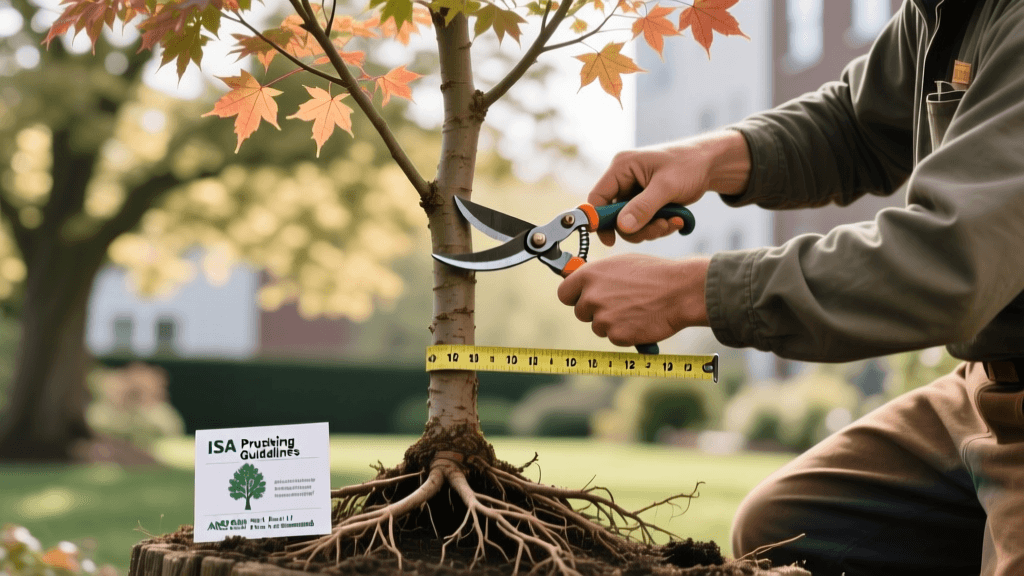
Routine removal of dead, diseased, or damaged wood is essential for the health and safety of the tree. Dead branches restrict airflow through the canopy, creating a humid microclimate that fosters fungal diseases. When removing larger, heavy limbs, always employ the three-cut method to prevent the weight of the branch from tearing the bark down the trunk. 1. The Undercut: Make a shallow cut on the underside of the branch, about a foot away from the trunk. 2. The Top Cut: Cut completely through the branch from the top, slightly further out than the undercut. The branch will fall cleanly without tearing. 3. The Collar Cut: Make the final cut just outside the branch collar (the swollen area where the branch meets the trunk). Never cut flush with the trunk, as this damages the tree's natural defense zone and impedes proper healing.
Timing Your Pruning
The optimal time for major structural pruning and deadwooding is during the late winter or very early spring while the tree is still in its dormant phase. Pruning during dormancy minimizes sap loss (bleeding) and reduces the risk of attracting wood-boring insects, which are drawn to the scent of fresh pine resin. Avoid heavy pruning in late summer or fall, as the new growth stimulated by the cuts may not have time to harden off before winter freezes.
Common Pine Tree Diseases and Pests
Vigilant monitoring is a cornerstone of effective pine tree maintenance. Pines are targeted by a variety of specialized pathogens and insects. Early detection and proactive cultural practices are your best defenses against these potentially fatal threats.
Pine Wilt Disease
Pine Wilt is a rapid and devastating disease caused by the pinewood nematode, a microscopic worm transmitted by the pine sawyer beetle. The most glaring symptom is the sudden, uniform browning and wilting of needles on a single branch or the entire tree, often occurring in the heat of summer. The tree's resin flow will also drastically decrease, resulting in a lack of sap when a branch is cut. Unfortunately, there is no cure for Pine Wilt once a tree is infected. Prevention relies on keeping trees vigorous through proper watering, promptly removing and destroying infected trees to prevent the beetles from spreading the nematodes to healthy pines, and avoiding pruning during the beetle's active flight season.
Needle Cast and Fungal Blights
Fungal diseases like Dothistroma needle blight, Lophodermium needle cast, and Diplodia tip blight thrive in environments with poor air circulation and excessive moisture. Symptoms typically include yellow or brown bands on the needles, premature needle drop, and stunted, blackened new shoots. To manage these fungi, ensure your pines are properly spaced to allow sunlight and breeze to penetrate the canopy. Avoid overhead irrigation, which keeps the needles wet and invites spore germination. In severe cases, preventative applications of copper-based or chlorothalonil fungicides applied in the spring can protect emerging needles.
Bark Beetles and Boring Insects
Bark beetles, such as the Southern Pine Beetle and Mountain Pine Beetle, are secondary invaders that primarily attack trees already weakened by drought, physical damage, or root compaction. The beetles bore through the bark to lay eggs, and the resulting larvae girdle the tree by feeding on the cambium layer. Signs of an attack include small "pitch tubes" (popcorn-like masses of resin) on the trunk, fine sawdust at the base of the tree, and woodpecker activity as they forage for larvae. The best defense against bark beetles is maintaining tree vigor. Deep watering during droughts and avoiding soil compaction over the root zone are critical preventative measures.
Pine Sawflies
Pine sawflies are not true flies but rather relatives of wasps and bees. Their larvae are voracious defoliators that feed in groups, capable of stripping a pine branch of its older needles in a matter of days. While they rarely kill a mature, healthy tree, severe defoliation weakens the tree and makes it susceptible to secondary pests. For small infestations, larvae can be knocked off the branches into a bucket of soapy water. For larger outbreaks, targeted applications of horticultural oils or insecticidal soaps can effectively manage the population without harming beneficial pollinators.
Seasonal Maintenance Tips
Because pines are evergreen, their maintenance calendar spans the entire year. Adapting your care routine to the changing seasons ensures your trees remain resilient against environmental stressors.
Spring: Inspection and Growth Support
As temperatures rise and the tree breaks dormancy, conduct a thorough visual inspection. Look for winter damage, broken limbs, and early signs of fungal fruiting bodies. This is the ideal time to perform candling for shape control and to apply a fresh layer of mulch. If soil tests indicate a need for fertilization, apply a slow-release evergreen formula just before the spring growth flush. Additionally, monitor the surrounding landscape; integrating your tree care with your weed control strategy ensures that aggressive turf or broadleaf weeds do not compete with the tree's shallow feeder roots for water and nutrients.
Summer: Hydration and Pest Monitoring
Summer heat places immense transpiration stress on pine trees. While established trees can handle dry periods, prolonged droughts require deep, supplemental watering. Water the tree at the drip line early in the morning to minimize evaporation. Summer is also the peak season for insect activity. Regularly inspect the trunk for pitch tubes and the canopy for sawfly larvae or aphid honeydew. Prompt intervention during the summer months prevents pests from establishing overwhelming populations.
Fall: Winter Preparation
Autumn is a critical time for preparing your pines for the harshness of winter. Contrary to popular belief, evergreens need abundant water heading into the freezing months. A well-hydrated tree is far less susceptible to winter desiccation (winter burn). Continue deep watering until the ground freezes solid. Fall is also an excellent time to evaluate the tree's structural integrity, removing any hazardous deadwood that could snap under the weight of winter snow or ice. For comprehensive yard preparation, coordinate your tree care with our fall lawn maintenance guidelines.
Winter: Protection from the Elements
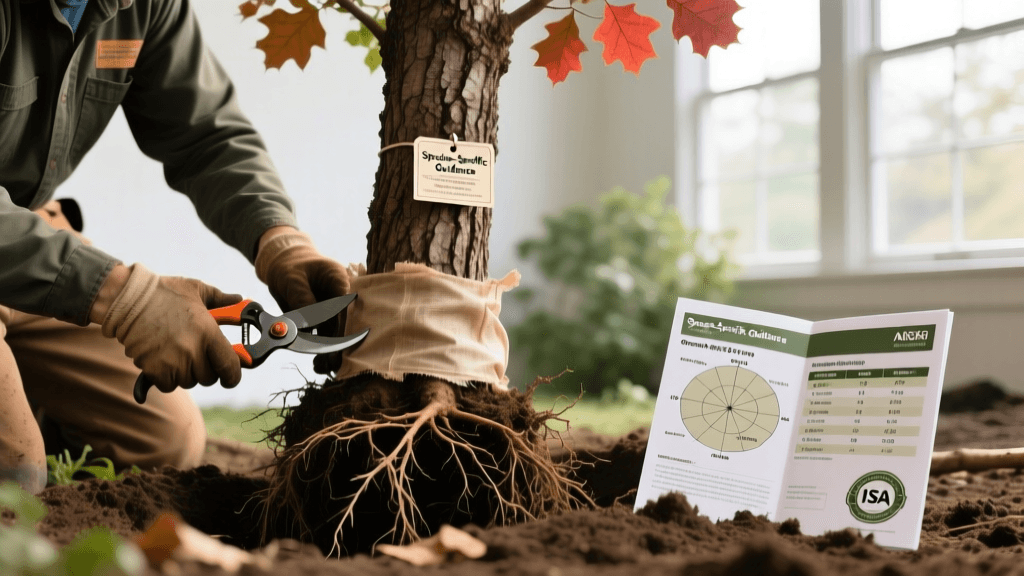
During winter, the primary threats to pine trees are heavy snow loads, ice accumulation, and desiccating winds. Avoid shaking snow-laden branches violently, as frozen wood is brittle and prone to snapping. Instead, gently brush snow upward with a broom to relieve weight. For young or newly planted pines exposed to harsh, drying winds, applying an anti-desiccant spray in late fall can help coat the needles and reduce moisture loss. Wrapping the trunks of young trees with tree guards can also protect the bark from frost cracks and damage from foraging wildlife like deer and voles.
Frequently Asked Questions
How often should I water a newly planted pine tree?
Newly planted pine trees require consistent moisture to establish their root systems. For the first few weeks after planting, water the tree deeply two to three times a week, depending on rainfall and soil drainage. After the first month, transition to a deep watering once a week during the growing season. Always check the soil moisture by digging a few inches down near the root ball; the soil should feel moist but not waterlogged. Overwatering is just as dangerous as underwatering, as it deprives the roots of essential oxygen.
Do pine trees need fertilizer?
In most residential landscapes, mature pine trees do not require regular fertilization if they are growing well and their needles are a healthy, deep green. Pines are adapted to survive in nutrient-poor soils. However, if your tree is exhibiting slow growth, sparse foliage, or chlorosis (yellowing of the needles), it may benefit from a specialized, acid-forming evergreen fertilizer. Always base your fertilization decisions on a professional soil test rather than guesswork, as excess nitrogen can harm the tree's natural mycorrhizal fungal networks.
Why are my pine tree needles turning brown?
Brown needles can be a cause for alarm, but they are not always a sign of disease. Pines undergo a natural process called "seasonal needle drop." Depending on the species, pines retain their needles for two to five years before shedding the oldest, innermost needles in the fall. If the browning is restricted to the interior of the tree and the branch tips remain green and healthy, this is normal. However, if the browning is occurring at the branch tips, affecting the entire canopy, or accompanied by a lack of resin flow, it could indicate drought stress, root rot, fungal blight, or Pine Wilt disease.
Can I plant grass under a pine tree?
Growing turfgrass directly beneath a pine tree is notoriously difficult. The dense canopy creates deep shade, the extensive root system competes aggressively for water, and the accumulation of fallen needles creates a highly acidic, dense mat on the soil surface. Instead of fighting a losing battle with standard turf, consider embracing the natural environment. You can plant shade-tolerant, acid-loving groundcovers like creeping wintergreen, pachysandra, or ferns. If you are determined to maintain a walkable surface, look into specialized shade-tolerant grass blends, but be prepared for a thinner, less vigorous lawn in that specific zone.
How do I protect pine trees from winter damage?
Protecting pines from winter damage begins in the fall with deep, thorough watering to ensure the tree's tissues are fully hydrated. Hydrated needles are much more resistant to the drying effects of freezing winds. For young trees, apply a thick layer of mulch to insulate the root zone against freeze-thaw cycles, which can heave the soil and sever shallow roots. If your pine is in a highly exposed area, consider erecting a burlap windbreak on the windward side to shield it from harsh gusts. Finally, avoid pruning in late autumn, as fresh cuts will not heal before the freeze, leaving the tree vulnerable to moisture loss and fungal entry.