Pest Control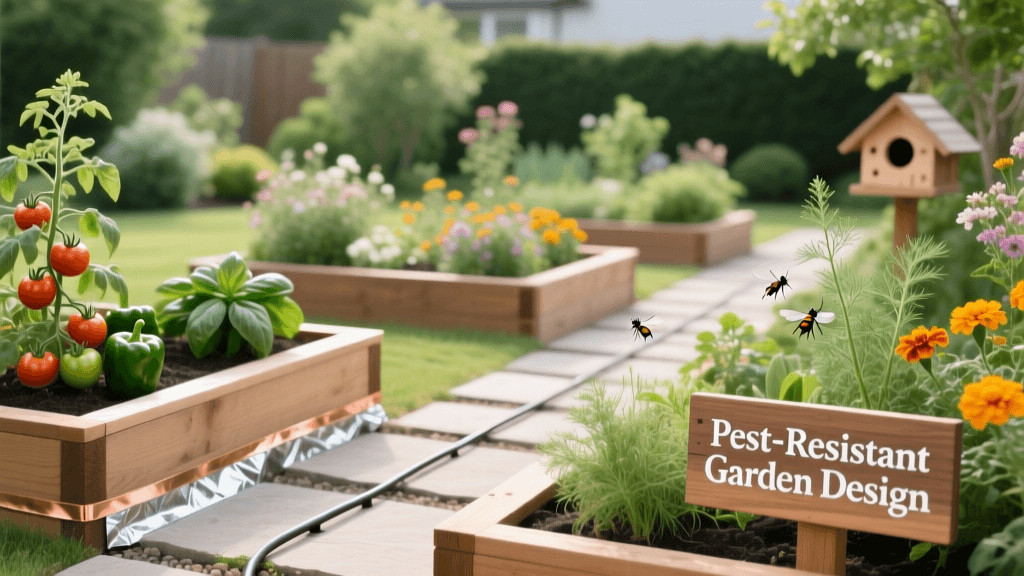
Plan a Pest-Resistant Garden: Landscape Design and IPM Tips
Designing Pests Out of Your Landscape
When most homeowners think of pest control, they picture reactive measures: spraying chemical pesticides after an infestation has already damaged their prized tomatoes or decimated their rose bushes. However, the most effective and sustainable approach to garden pest management begins long before the first seed is planted. By integrating pest control into your landscape design and planning phase, you can create an environment that naturally deters destructive insects, minimizes disease, and reduces the need for costly chemical interventions.
Integrated Pest Management (IPM) is a holistic, ecosystem-based strategy that focuses on long-term prevention of pests or their damage. When applied to landscape architecture and garden planning, IPM involves selecting the right plants, designing strategic hardscapes, and cultivating habitats for beneficial insects. This comprehensive guide will walk you through the design ideas, spatial planning, and structural elements required to build a beautiful, pest-resistant garden from the ground up.
The Foundation: Site Analysis and Microclimates
A core tenet of IPM is the concept of 'Right Plant, Right Place.' Plants that are stressed by poor soil, inadequate sunlight, or improper drainage are highly susceptible to pest infestations. Sap-sucking insects like aphids and spider mites actively target weakened plants because their compromised immune systems cannot produce the natural chemical defenses needed to repel attackers.
Soil Testing and Amendment
Before drafting your garden layout, invest in a professional soil test through your local university cooperative extension (typically costing between $15 and $30). This test will reveal your soil pH, organic matter content, and nutrient deficiencies. For example, excessive nitrogen promotes rapid, sappy green growth that is incredibly attractive to aphids. By balancing your soil with slow-release organic compost rather than synthetic high-nitrogen fertilizers, you build plant resilience from the roots up.
Mapping Sun and Wind Patterns
Map your garden's microclimates. Fungal diseases like powdery mildew thrive in shaded, stagnant, and humid areas. Design your garden beds to align with prevailing winds to ensure natural air circulation through plant canopies. Space your plants according to their mature width, not their nursery pot size, to prevent the humid, stagnant conditions that invite both fungal pathogens and moisture-loving pests like fungus gnats and slugs.
Zoning Your Garden for Pest Defense
Strategic spatial planning involves dividing your yard into distinct management zones based on plant value and traffic patterns. This concept, borrowed from permaculture design, allows you to concentrate your pest-defense efforts where they matter most.
- Zone 1: High-Value / High-Traffic Areas (0-15 feet from the house): This area includes patios, entryways, and primary vegetable beds. Design this zone with highly pest-resistant plants, structured hardscaping, and physical barriers. Avoid planting fruit-bearing trees near the house, as fallen fruit attracts yellowjackets, ants, and rodents.
- Zone 2: Transition and Production Zones (15-40 feet): This is where most of your vegetable gardens and ornamental borders reside. Utilize companion planting, trap crops, and insectary strips here to manage pests biologically.
- Zone 3: Perimeter and Wild Edges (40+ feet): Use this outer boundary to plant dense, deer-resistant, and rodent-deterring hedges. This zone acts as a buffer, intercepting migrating pests before they reach your inner garden.
Strategic Hardscaping and Physical Barriers
Hardscaping is not just for aesthetics; it is a critical component of physical pest control. Integrating specific materials into your garden design can create impassable barriers for soft-bodied insects and burrowing mammals.
Deterring Slugs and Snails
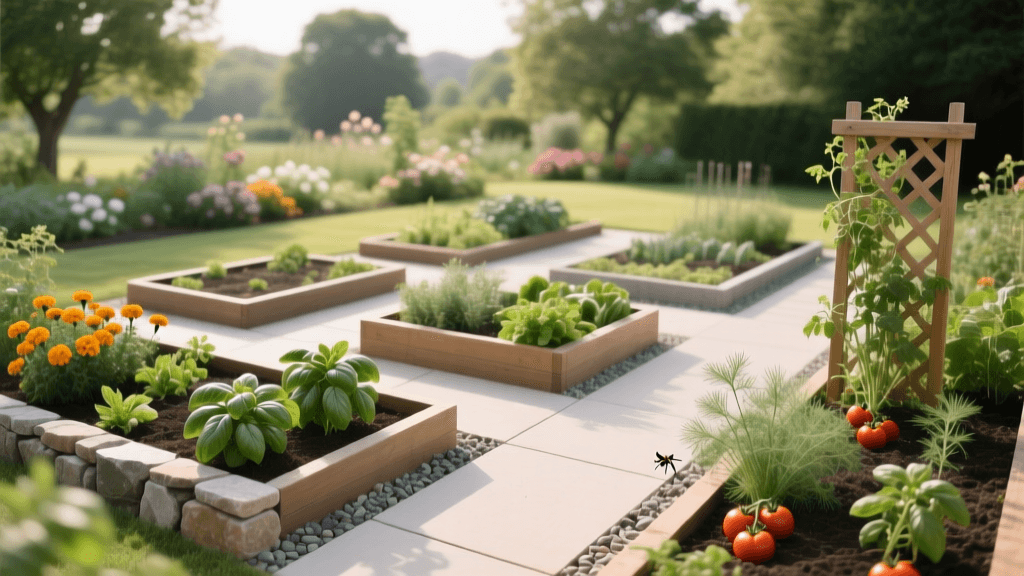
Slugs and snails require moist, smooth surfaces to travel. You can design 'gravel moats' around your most vulnerable raised beds or hostas. Use 3/8-inch crushed angular gravel (not smooth river rock), laid at least 2 inches deep and 12 inches wide. The sharp, dry, and uneven texture lacerates their soft underbellies and wicks away the moisture they need to move. Additionally, installing a 2-inch wide copper tape border ($12 to $18 per 30-foot roll) around the rims of wooden raised beds creates a mild electrical reaction when slug slime touches the copper, acting as an invisible fence.
Excluding Burrowing Rodents
If gophers or voles are prevalent in your region, never build a raised bed without subterranean protection. Line the bottom of your raised beds with 1/2-inch galvanized hardware cloth ($15 to $25 for a 2x5 foot roll). Ensure the wire extends at least 3 inches up the interior walls of the bed and is stapled securely. This allows water drainage and earthworm access while completely blocking burrowing rodents from destroying root systems.
Companion Planting and Trap Cropping Matrix
Companion planting involves placing specific plants in close proximity to deter pests, confuse their olfactory receptors, or attract their natural predators. Trap cropping involves planting a highly attractive 'sacrificial' crop to draw pests away from your main harvest. Below is a design matrix for integrating these strategies into your garden layout.
| Target Pest | Deterrent / Trap Plant | Botanical Name | Design Placement & Spacing | Mechanism of Action |
|---|---|---|---|---|
| Root-Knot Nematodes | French Marigold | Tagetes patula | Interplant densely, 8 inches apart | Roots release alpha-terthienyl, which suppresses nematode egg hatching. |
| Aphids & Whiteflies | Nasturtium (Trap) | Tropaeolum majus | Plant 5 feet away from target crops | Acts as a trap crop; aphids prefer nasturtiums and will abandon brassicas. |
| Cabbage Loopers | Thyme / Dill | Thymus vulgaris | Border planting, 6 inches apart | Masks the scent of host plants and attracts predatory parasitic wasps. |
| Flea Beetles | Radish (Trap) | Raphanus sativus | Sow thickly as a perimeter border | Draws flea beetles away from eggplant and pepper transplants. |
| Japanese Beetles | Garlic / Alliums | Allium sativum | Interplant among roses and grapes | Strong sulfur compounds mask the floral scents that attract beetles. |
Designing Insectary Strips for Beneficial Predators
A truly pest-resistant garden does not aim to eradicate all insects; rather, it cultivates a balanced ecosystem where beneficial predators keep pest populations below the economic injury level. To attract ladybugs, lacewings, ground beetles, and parasitic wasps, you must design 'insectary strips'—dedicated borders of nectar and pollen-rich plants.
Selecting the Right Flora
Beneficial insects have specialized mouthparts. Many parasitic wasps (which lay eggs inside destructive caterpillars) have tiny mouthparts and require shallow, open flowers. Design your insectary borders with plants from the Apiaceae (umbellifer) and Asteraceae families. Excellent choices include yarrow, alyssum, fennel, dill, and cosmos.
Providing Overwintering Habitat
Beyond food, beneficial insects need shelter. Incorporate 'beetle banks' into your landscape design. These are raised mounds of earth, about 18 inches wide and 6 inches high, planted with native bunchgrasses like fescue or blue grama. Beetle banks provide crucial overwintering habitat for ground beetles and spiders, which are voracious predators of slugs, snail eggs, and soil-dwelling larvae. Leave a 2-inch layer of organic mulch (like arborist wood chips) around your perennial beds to provide daytime hiding spots for hunting spiders.
Water Management and Mosquito Control
Standing water is the primary breeding ground for mosquitoes and a catalyst for fungal root rots. Your landscape design must prioritize rapid, efficient water movement.
- Grading: Ensure your lawn and garden beds slope away from your home's foundation at a minimum grade of 1 inch of drop per foot for the first 6 feet.
- French Drains: In low-lying areas prone to pooling, install French drains during the initial hardscaping phase. A perforated PVC pipe wrapped in landscape fabric and buried beneath 12 inches of washed gravel will redirect excess water away from plant roots and eliminate mosquito breeding pools.
- Irrigation Design: Avoid overhead sprinklers in vegetable gardens and rose beds, as wet foliage invites powdery mildew and rust. Instead, design a drip irrigation system with pressure-compensating emitters that deliver water directly to the root zone, keeping the soil surface dry and inhospitable to fungus gnats and slugs.
Expert Insights and Authoritative Guidelines
The principles of designing for pest management are heavily supported by academic and agricultural institutions. According to the University of California Agriculture and Natural Resources (UC ANR) Statewide Integrated Pest Management Program, landscape design is the first and most critical step in IPM. UC ANR emphasizes that modifying the environment to make it less favorable for pests—through proper plant selection, altering irrigation practices, and utilizing physical barriers—is vastly more effective and environmentally sound than relying on routine pesticide applications.
'Prevention is the first line of defense in IPM. Selecting pest-resistant varieties, designing landscapes to promote good air circulation, and using mulches to prevent soil splash are cultural practices that drastically reduce the need for chemical controls.' - UC ANR IPM Guidelines for Landscapes and Gardens.
Budgeting for Your IPM Landscape Design
Planning a pest-resistant garden requires an upfront investment, but it yields massive long-term savings in plant replacement and pest control products. Here is a quick budgeting guide for essential IPM design elements:
- Soil Testing: $15 - $30 (Prevents wasteful fertilization and weak plant growth).
- Galvanized Hardware Cloth (1/2-inch): $15 - $25 per roll (Essential for gopher exclusion in raised beds).
- Copper Tape (2-inch wide): $12 - $18 per 30ft roll (Slug and snail deterrent for container and bed rims).
- Drip Irrigation Conversion Kit: $40 - $80 (Reduces fungal diseases and surface-dwelling pests).
- Beneficial Insectary Seeds (Yarrow, Alyssum): $5 - $15 per packet (Provides lifelong biological pest control).
Conclusion
Designing a pest-resistant garden shifts the paradigm from fighting nature to working alongside it. By carefully analyzing your site, implementing strategic hardscaping, utilizing companion planting matrices, and designing habitats for beneficial predators, you create a resilient landscape. This proactive approach not only minimizes the need for toxic chemicals but also results in a healthier, more vibrant, and ecologically balanced outdoor space that you can enjoy for years to come.