Tree Care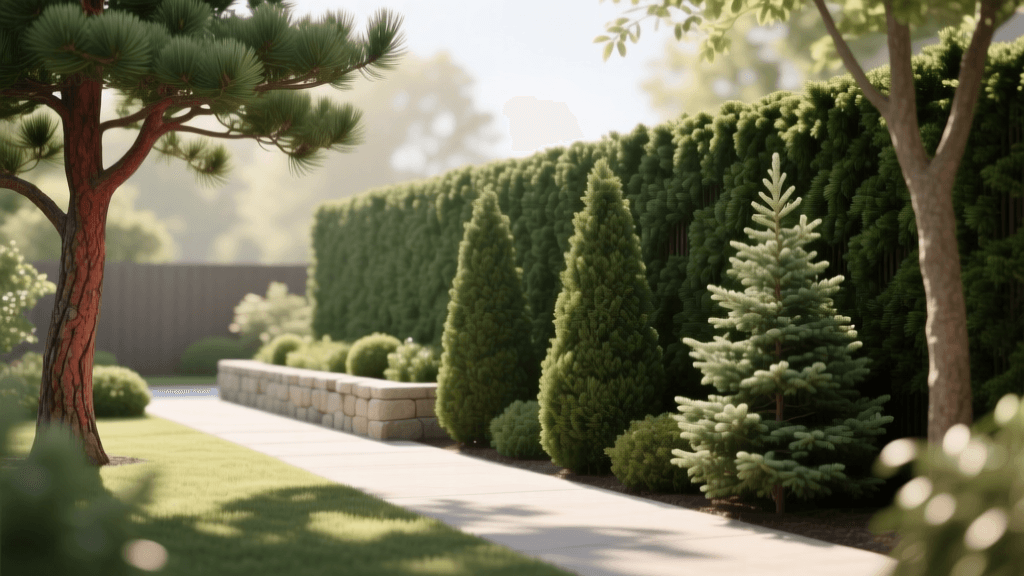
How to Plan and Plant a Living Evergreen Privacy Screen
Why Choose a Living Privacy Screen?
When designing a landscape that offers both aesthetic appeal and functional seclusion, few features rival a living evergreen privacy screen. Unlike wooden fences or vinyl barriers, a well-planned tree screen provides year-round visual blocking, acts as a windbreak, reduces noise pollution, and creates a microclimate that can lower cooling costs in the summer. However, achieving a dense, healthy screen requires careful planning, precise spacing, and a deep understanding of tree growth habits. This guide will walk you through the design, species selection, budgeting, and planting protocols necessary to establish a thriving evergreen boundary.
Site Assessment: Before You Dig
Proper planning begins with a thorough site assessment. Before purchasing a single tree, evaluate the environmental conditions of your property line.
- Sunlight Exposure: Most privacy evergreens require full sun (at least 6 hours of direct sunlight daily) to maintain dense foliage from the ground up. Shade-tolerant options are limited and grow significantly slower.
- Soil Drainage: Test your soil percolation rate. Dig a test hole 12 inches deep and fill it with water. If it takes longer than 24 hours to drain, you have heavy clay or poor drainage, which will require raised berms or specific species like the Eastern Red Cedar.
- Utility Lines and Property Boundaries: Always call 811 before digging to have underground utilities marked. Additionally, verify your exact property lines with a surveyor to avoid planting trees that will eventually encroach on a neighbor's land or public easements.
Choosing the Right Evergreen Species
Selecting the correct tree species is the most critical decision in your design plan. You must balance growth rate, mature size, and maintenance requirements. Below is a comparison of the top four evergreen species used for privacy screens in North America.
| Species | Mature Height | Growth Rate | Optimal Spacing | Approx. Cost (6ft Tree) |
|---|---|---|---|---|
| Thuja Green Giant | 40-60 ft | Fast (3-5 ft/yr) | 5-6 ft apart | $80 - $120 |
| Emerald Green Arborvitae | 12-15 ft | Moderate (1-2 ft/yr) | 3-4 ft apart | $40 - $70 |
| Leyland Cypress | 50-70 ft | Very Fast (3-4 ft/yr) | 6-8 ft apart | $90 - $130 |
| Eastern Red Cedar | 30-40 ft | Moderate (1-3 ft/yr) | 6-8 ft apart | $60 - $90 |
Design Note: For smaller suburban lots, the Emerald Green Arborvitae (Thuja occidentalis 'Smaragd') is ideal because it naturally maintains a narrow, columnar shape without requiring heavy annual pruning. For large rural properties or rapid screening needs, the Thuja Green Giant is the undisputed champion of disease resistance and vigorous growth.
Design Layouts: Single Row vs. Staggered Double Row
The layout of your trees dictates how quickly you achieve total privacy and how resilient your screen is to disease.
Single Row Layout
A single row is the most common and cost-effective approach. Trees are planted in a straight line along the property border. To ensure a seamless screen, measure the total linear footage and divide by the recommended spacing distance. For example, a 100-foot boundary using Thuja Green Giants spaced at 5 feet apart requires 20 trees (100 / 5 = 20). Always add one extra tree to your order to account for transplant shock or initial mortality.
Staggered Double Row (Zig-Zag) Layout
If you have the space (a minimum of 8 to 10 feet of depth), a staggered double row creates an impenetrable barrier much faster. Plant two parallel rows, offsetting the trees in the second row so they sit in the gaps of the first row. This design allows you to space the trees slightly further apart within each row while still achieving immediate visual density. It also promotes better air circulation, significantly reducing the risk of fungal diseases like Seiridium canker, which plagues densely planted Leyland Cypress.
Budgeting Your Privacy Screen Project
When planning your budget, look beyond the initial cost of the trees. A comprehensive budget for a 100-foot single-row screen using 6-foot Thuja Green Giants might look like this:
- Trees (21 units @ $100 avg): $2,100
- Delivery Fee: $150
- Soil Amendments (Espoma Bio-tone Starter Plus): $60
- Premium Hardwood Mulch (3 cubic yards): $120
- Drip Irrigation System (Netafim tubing and timer): $150
- Total Estimated Materials: $2,580
While professional installation can double or triple this cost, DIY planting is highly manageable for 6-to-8-foot balled-and-burlapped (B&B) or container-grown trees if you have a helper and a heavy-duty wheelbarrow.
Step-by-Step Planting Protocol
Timing and technique are vital for long-term tree health. The optimal planting windows are early fall (allowing roots to establish before winter) or early spring (after the ground thaws but before summer heat).
- Dig the Hole: Dig a hole that is twice as wide as the root ball, but no deeper than the root ball itself. The goal is to leave the tree resting on undisturbed, solid soil at the bottom of the hole to prevent sinking.
- Locate the Root Flare: Brush away excess soil from the top of the root ball to find the trunk flare (where the trunk widens into the roots). This flare must sit 1 to 2 inches above the final grade level.
- Amend the Backfill: Mix the native soil you removed from the hole with a mycorrhizal inoculant like Espoma Bio-tone Starter Plus. Avoid heavy peat moss, which can create a 'bathtub effect' and trap water around the roots.
- Set and Backfill: Place the tree in the hole, ensuring it is perfectly plumb. Backfill halfway, water heavily to eliminate air pockets, and then finish backfilling. Tread lightly around the base to secure the tree.
Long-Term Maintenance and Health Planning
A privacy screen is a long-term investment that requires a structured maintenance plan for the first three years.
- Watering: Evergreens do not show drought stress immediately; by the time they turn brown, it is often too late. Install a Netafim drip irrigation line weaving through the base of the trees. Program a digital timer to deliver 1 inch of water per week during the first two growing seasons.
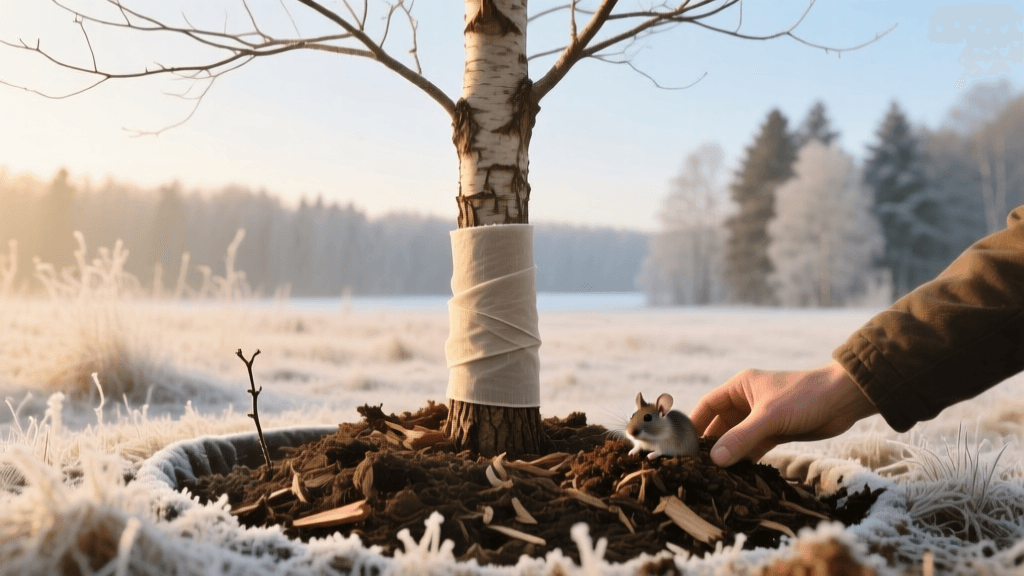
- Mulching: Apply a 3-inch layer of shredded hardwood mulch over the root zone to retain moisture and regulate soil temperature. Keep the mulch at least 3 inches away from the trunk to prevent rot and rodent damage.
- Pruning: Most privacy trees require minimal pruning. However, if you are growing Leyland Cypress, plan for annual spring trimming to maintain a manageable height and encourage lateral branching. Never cut back into the 'dead zone' (the brown, needle-less inner wood), as evergreens will not regenerate foliage from old wood.
Expert Guidelines on Planting Depth
One of the most common mistakes in landscape planning is planting trees too deeply. According to the University of Maryland Extension Home and Garden Information Center, deep planting is a leading cause of tree decline and mortality in residential landscapes.
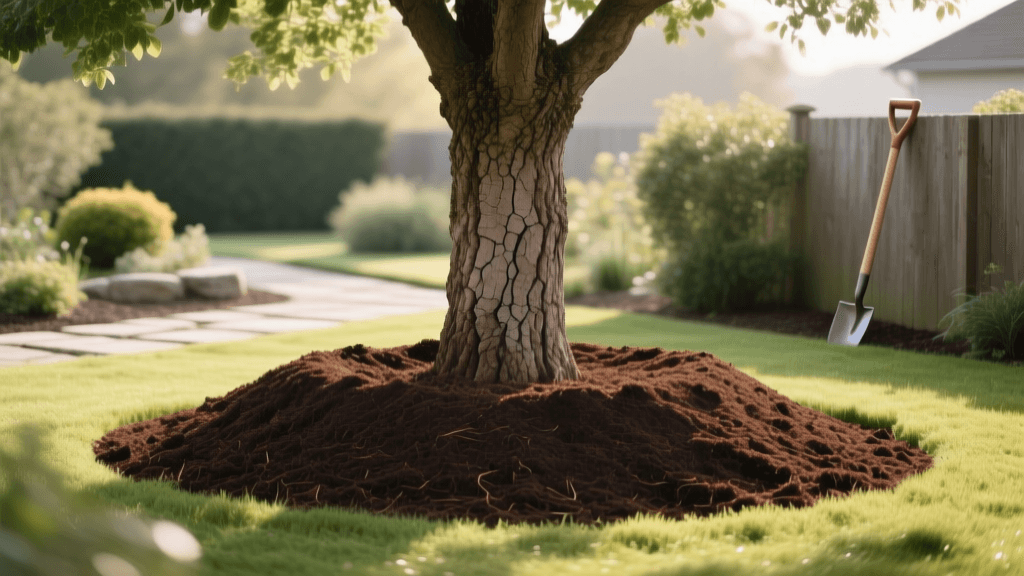
'Planting too deeply suffocates the root system and encourages the development of girdling roots, which eventually strangle the trunk. Always ensure the root flare is visible and slightly above grade. Furthermore, avoid 'volcano mulching,' which mimics the effects of deep planting by burying the trunk in moisture-retaining organic matter, leading to bark decay and fungal infections.' - University of Maryland Extension, Tree Planting Guidelines
By adhering to these expert guidelines, utilizing proper spacing, and selecting the right species for your specific microclimate, your living privacy screen will grow into a lush, enduring boundary that enhances both the value and the tranquility of your property for decades to come.