Tree Care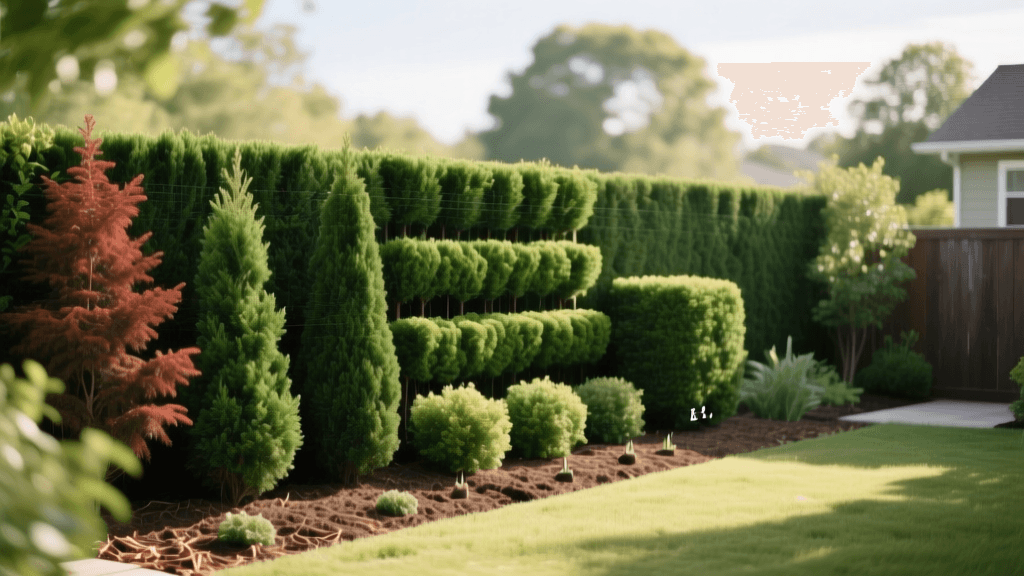
Designing Evergreen Privacy Screens: Spacing and Species
The Art of Planning Evergreen Privacy Screens
Designing a landscape that offers true seclusion requires more than simply digging holes and dropping in a row of evergreens. As a core component of landscape design and planning, a well-conceived privacy screen acts as a living architectural element. It frames your property, dampens street noise, creates a microclimate for delicate understory plants, and provides vital year-round visual barriers. Unlike wooden or vinyl fences, which offer a flat, static boundary, living privacy screens introduce depth, seasonal texture, and ecological value to your yard. However, achieving a dense, impenetrable canopy without overcrowding or stunting tree health demands strategic foresight. This guide will walk you through the essential design principles, species selection, spatial mathematics, and planting techniques required to cultivate a thriving evergreen privacy screen.
Assessing Your Site: Sun, Soil, and Sightlines
Mapping Sightlines and Property Boundaries
Before purchasing a single tree, stand in the areas of your yard where you desire the most privacy, such as your patio, pool deck, or primary bedroom windows. Look outward toward neighboring properties, streetlights, and high-traffic roads. Note the specific angles that require blocking. A common design mistake is planting a screen that only blocks ground-level views, leaving you exposed to second-story windows or elevated decks. By mapping these sightlines, you can determine the necessary mature height of your tree screen. Furthermore, always verify your property lines with a recent survey. Planting large evergreens directly on a property line can lead to legal disputes over maintenance, root encroachment, and canopy overhang. It is highly recommended to plant your screen entirely within your property boundaries, allowing at least three to five feet of clearance from the fence line for future maintenance access.
Evaluating Soil Drainage and Sunlight
Evergreens are notoriously sensitive to poor drainage. To test your soil, dig a hole twelve inches deep and twelve inches wide, fill it with water, and let it drain. Refill it and time how long it takes to drain. If the water level drops less than one inch per hour, you have heavy clay soil that will require significant amendment or the selection of moisture-tolerant species like the Dawn Redwood or Bald Cypress, though these are deciduous conifers. For true evergreen privacy in poorly drained soils, consider installing a French drain or building raised planting berms. Additionally, track the sunlight exposure across your planting zone. Most privacy evergreens, such as Arborvitae and Junipers, require a minimum of six hours of direct, unfiltered sunlight daily to maintain dense, interior foliage. If your screen will be planted in the shadow of a building or larger canopy trees, you must select shade-tolerant alternatives like the Canadian Hemlock or Nellie Stevens Holly.
Selecting the Right Evergreen Species
Choosing the correct species is the foundation of your screen's long-term success. You must balance your hardiness zone, soil conditions, and desired maintenance level. Below is a comparison chart of top-performing evergreen trees utilized in residential privacy screen designs.
| Species | Mature Height | Growth Rate | Spacing | Zones | Est. Cost (15-Gal) |
|---|---|---|---|---|---|
| Green Giant Arborvitae | 40 to 60 ft | Fast (3 ft/yr) | 6 to 8 ft | 5 to 8 | $90 to $140 |
| Leyland Cypress | 50 to 70 ft | Fast (3 to 4 ft/yr) | 8 to 10 ft | 6 to 9 | $110 to $160 |
| Nellie Stevens Holly | 20 to 30 ft | Moderate (2 ft/yr) | 5 to 6 ft | 7 to 9 | $130 to $180 |
| Eastern Redcedar | 40 to 50 ft | Moderate (2 ft/yr) | 6 to 8 ft | 4 to 9 | $70 to $120 |
Calculating Optimal Tree Spacing and Layout
The Half-Spread Rule
One of the most frequent errors in landscape planning is planting trees too closely together in an attempt to achieve instant privacy. While a tight planting may look full in the first two years, the trees will soon compete aggressively for water, nutrients, and sunlight. This competition leads to interior needle drop, stunted vertical growth, and increased susceptibility to fungal diseases like Seiridium canker. To calculate the ideal spacing, use the half-spread rule. Take the expected mature width of the tree and divide it by two. For example, if a Green Giant Arborvitae has a mature spread of twelve feet, you should plant the trunks six feet apart on center. This spacing allows the outer branches to eventually interlock and form a solid visual wall while preserving enough root zone and canopy airflow to keep the trees healthy.
Staggered Zigzag Planting
If you have the spatial width available, a staggered double-row layout is vastly superior to a single straight line. By planting two parallel rows in a zigzag or W-pattern, you eliminate the visual gaps that naturally occur between the trunks of a single-row screen. This design technique also provides redundancy; if one tree succumbs to disease or storm damage, the overlapping canopy of the adjacent row prevents a glaring hole in your privacy barrier. When executing a staggered layout, maintain the same on-center distance between trees in the same row, and offset the second row by half that distance. Ensure the two rows are spaced at least four to six feet apart to allow for air circulation and maintenance access between the rows.
Soil Preparation and Planting Techniques
Proper installation is critical for the establishment of your privacy screen. The best time to plant evergreens is in early fall, allowing the root system to establish before the heat of the following summer, or in early spring after the ground has thawed. Follow these actionable steps for optimal planting:
- Digging the Hole: Excavate a hole that is two to three times wider than the root ball, but no deeper. The root flare (where the trunk widens at the base) must sit slightly above the surrounding grade to prevent root rot.
- Amending the Backfill: Avoid creating a bathtub effect by amending the entire planting bed rather than just the individual hole. Mix native soil with a high-quality organic amendment like Fafard Premium Outdoor Planting Mix at a ratio of 70 percent native soil to 30 percent organic matter.
- Root Stimulation: Incorporate a granular root stimulator such as Espoma Bio-tone Starter Plus into the backfill soil. This product introduces beneficial mycorrhizae fungi that exponentially increase the root mass and nutrient uptake capabilities of newly transplanted evergreens.
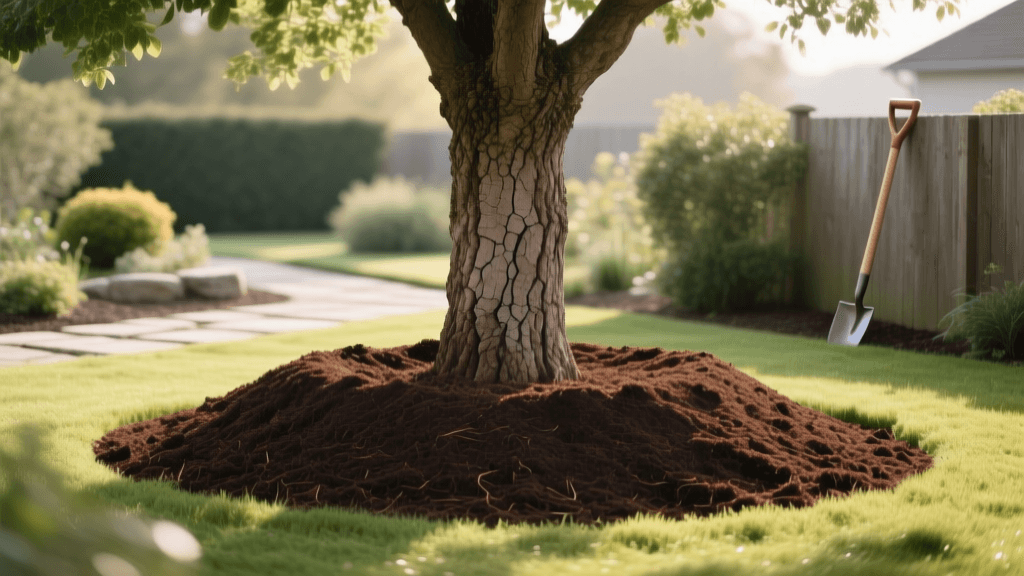
- Mulching: Apply a two to three-inch layer of shredded hardwood mulch over the planting bed to retain moisture and regulate soil temperature. Crucially, keep the mulch at least three inches away from the trunk itself to prevent volcano mulching, which invites bark-boring insects and fungal cankers.
- Initial Hydration: Water the trees deeply immediately after planting. For hands-free, consistent deep watering during the first two growing seasons, install Treegater slow-release watering bags around the base of each trunk.
Long-Term Maintenance and Health Assessment
A living privacy screen requires ongoing care to maintain its density and structural integrity. During the first two years, your primary focus must be deep, infrequent watering to encourage deep root growth. Provide one inch of water per week, either through rainfall or supplemental irrigation. Once established, most evergreens are relatively drought-tolerant, though they will benefit from deep soaking during prolonged dry spells in late autumn to prevent winter desiccation.
Pruning should be approached with a design mindset. Rather than shearing the trees into flat, unnatural walls, practice selective thinning and heading cuts in late winter or early spring. This encourages the tree to push new growth from the interior, resulting in a denser, more wind-resistant canopy. Never remove more than twenty-five percent of the live canopy in a single season, and avoid cutting back into the dead zone of older, needle-less wood, as most conifers will not regenerate foliage from old wood.
According to the University of Maryland Extension, the Green Giant Arborvitae (Thuja standishii x plicata) is highly resistant to deer browsing and bagworms, making it a superior choice for low-maintenance privacy screens compared to the Leyland Cypress. Furthermore, Iowa State University Extension and Outreach recommends staggered double-row plantings for windbreaks and privacy screens to ensure continuous coverage and ecological resilience even if individual trees fail or require removal due to disease.
Designing for Multi-Story Privacy
When planning privacy screens for urban or densely populated suburban lots, addressing multi-story sightlines is paramount. A standard six-foot privacy fence does nothing to block the view from a neighbor's second-floor balcony or bedroom window. To solve this, incorporate a layered planting design. Use tall, columnar evergreens like the Emerald Green Arborvitae or Sky Pencil Holly to block specific high-angle sightlines without overwhelming the yard's footprint. To soften the base of these tall screens and provide ground-level seclusion, plant an understory layer of broadleaf evergreens such as Camellias, Rhododendrons, or Osmanthus. This multi-tiered approach not only solves complex privacy challenges but also creates a lush, professional landscape design that mimics natural forest edges, enhancing both the aesthetic value and the ecological biodiversity of your property.