Lawn Care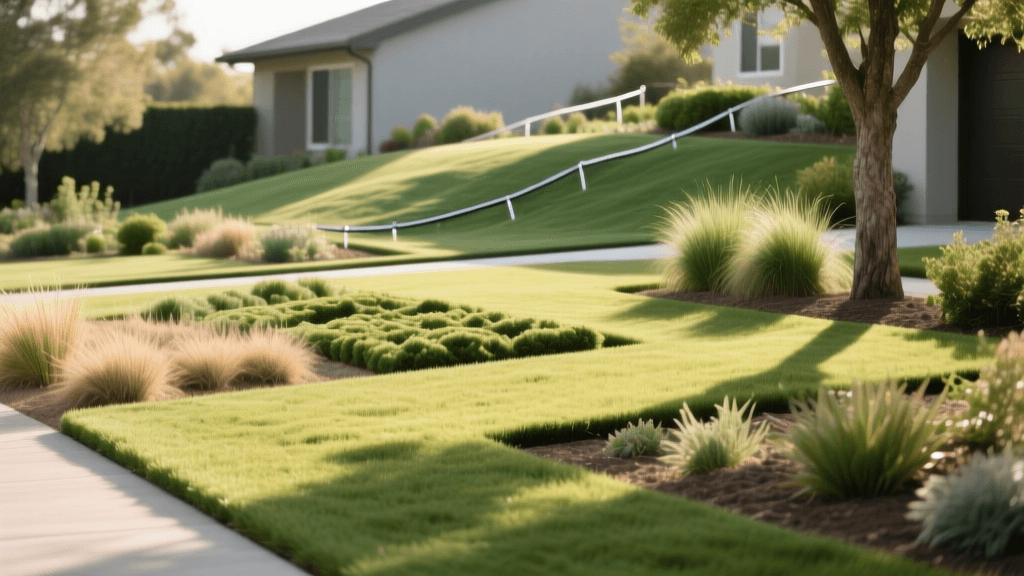
Planning Lawn Hydrozones for Efficient Irrigation Design
Designing Your Landscape: The Art and Science of Lawn Hydrozoning
When planning a new lawn or renovating an existing landscape, aesthetic appeal often takes center stage. However, the most successful lawn care designs are rooted in practical planning, specifically through a technique known as hydrozoning. Hydrozoning is the practice of grouping plants and turfgrasses with similar water, sun, and soil requirements into distinct zones. This design strategy not only conserves water but also drastically reduces the time and money spent on fertilization, weed control, and irrigation repairs.
According to the University of California Agriculture and Natural Resources (UC ANR), proper hydrozoning can reduce outdoor water use by up to 30% while maintaining a lush, vibrant landscape. In this guide, we will explore how to plan your lawn's hydrozones, select the right turf for specific microclimates, and design an irrigation system that supports long-term lawn health.
Step 1: Mapping Your Yard's Microclimates
Before purchasing seed or laying sod, you must understand the unique microclimates within your yard. A standard suburban lot is rarely uniform; it contains variations in sunlight, soil composition, and drainage.
Conducting a Site Analysis
- Sunlight Tracking: Observe your yard over a full day. Note areas that receive full sun (6+ hours), partial shade (3-6 hours), and heavy shade (under 3 hours).
- Soil Testing: Use a mail-in soil test kit (such as those provided by Logan Labs or your local university extension) to determine pH and organic matter. Clay soils retain water longer, while sandy soils drain rapidly.
- Topography and Grading: Identify slopes and low spots. Water naturally runs off slopes and pools in depressions, meaning these areas will require entirely different irrigation strategies.
Step 2: Selecting Turfgrass by Hydrozone
Once your map is complete, assign turfgrass species based on the specific conditions of each zone. Planting a high-water-demand grass in a hot, reflective south-facing yard is a recipe for drought stress and fungal disease.
| Hydrozone Type | Conditions | Ideal Cool-Season Turf | Ideal Warm-Season Turf | Weekly Water Need (Inches) |
|---|---|---|---|---|
| Zone 1: Oasis | High visibility, partial shade, near patios | Kentucky Bluegrass / Perennial Ryegrass | St. Augustine / Zoysia | 1.0 - 1.5 |
| Zone 2: Moderate | Full sun, standard lawn areas | Tall Fescue | Bermudagrass | 0.75 - 1.0 |
| Zone 3: Low Water | Slopes, hot reflective areas, poor soil | Hard Fescue / Fine Fescue blends | Buffalograss / Centipedegrass | 0.25 - 0.5 |
| Zone 4: Non-Turf | Deep shade, steep slopes, drainage ditches | Mulch, Groundcover, or Drip-Irrigated Shrubs | N/A (Drip) | |
Step 3: Designing the Irrigation Layout
Your irrigation system must mirror your hydrozone map. The most common design flaw in residential lawn care is placing shade-loving plants and sun-baked turfgrasses on the same sprinkler valve. This leads to overwatering the shade zones (inviting root rot and fungal pathogens) and underwatering the sun zones.
Valve and Head Placement Strategies
Allocate separate irrigation valves for each distinct hydrozone. For turf areas, upgrade standard spray nozzles to high-efficiency rotating nozzles like the Hunter MP Rotator or Rain Bird R-VAN. These products apply water at a slower rate (approximately 0.4 inches per hour), allowing clay-heavy soils to absorb moisture without runoff.
"Grouping plants with similar water needs on the same irrigation valve is the single most effective design choice a homeowner can make for long-term water conservation." — EPA WaterSense Landscape Guidelines
For Zone 4 (Non-Turf borders and garden beds), utilize subsurface drip irrigation. Drip lines deliver water directly to the root zone at a fraction of the cost of overhead spraying, typically running between $0.50 to $1.00 per linear foot for DIY installation.
Step 4: Soil Preparation and Grading
A well-planned hydrozone will fail if the soil base cannot support the chosen turf. Before seeding or sodding, invest in proper soil amendment.
- Core Aeration and Topdressing: For existing lawns being transitioned to a new hydrozone, perform a deep core aeration (pulling 3-inch plugs) and topdress with 1/4 inch of screened compost.
- Grading for Drainage: Ensure the final grade slopes away from your home's foundation at a minimum rate of 1/4 inch per foot for the first 10 feet. This prevents foundation damage and keeps your "Oasis" zone from becoming a swamp.
- Cost Expectation: Professional grading and soil amendment typically costs between $1,500 and $3,000 for a standard 5,000 sq. ft. yard, but it prevents thousands in future drainage and turf replacement costs.
Step 5: Targeted Weed Control and Overseeding
Weed pressure varies significantly across different hydrozones. In the high-traffic Oasis zone, compacted soil often invites crabgrass and spurge. Plan to aerate this zone annually in the fall and apply a pre-emergent herbicide like Prodiamine in early spring when soil temperatures consistently reach 55°F. Conversely, the Low Water zone may struggle with broadleaf weeds that thrive in dry, stressed turf. Spot-treat these areas with a selective herbicide containing 2,4-D rather than broadcasting chemicals across the entire yard. When overseeding, match the seed blend exactly to the zone's original design. Overseeding a drought-tolerant Zone 3 with a high-water Kentucky Bluegrass mix will destroy the integrity of your hydrozone and lead to uneven watering issues.
Step 6: Seasonal Maintenance Routines by Zone
Maintaining a hydrozoned lawn requires tailored routines rather than a blanket approach to the entire yard.
Mowing and Fertilization
In Zone 1 (Oasis), you may mow Kentucky Bluegrass at 2.5 inches and fertilize 4 times a year using a slow-release nitrogen product like Milorganite or Scotts Turf Builder. However, in Zone 3 (Low Water), Tall Fescue or Buffalograss should be mowed higher (3.5 to 4 inches) to shade the soil and reduce evaporation. Zone 3 grasses typically require only one or two light fertilizer applications per year to prevent excessive top growth that demands more water.
Timing Your Irrigation
Regardless of the zone, always program your smart irrigation controller (such as the Rachio 3 or Netro Smart) to water in the early morning between 4:00 AM and 8:00 AM. This timing minimizes wind interference and evaporation while allowing grass blades to dry before nightfall, significantly reducing the risk of dollar spot and brown patch diseases.
Conclusion
Designing your lawn with hydrozoning in mind transforms landscape maintenance from a constant battle against nature into a harmonious, efficient routine. By mapping microclimates, selecting appropriate turfgrasses, and installing zone-specific irrigation, you will cultivate a resilient lawn that saves water, reduces chemical dependency, and thrives season after season.