Lawn Care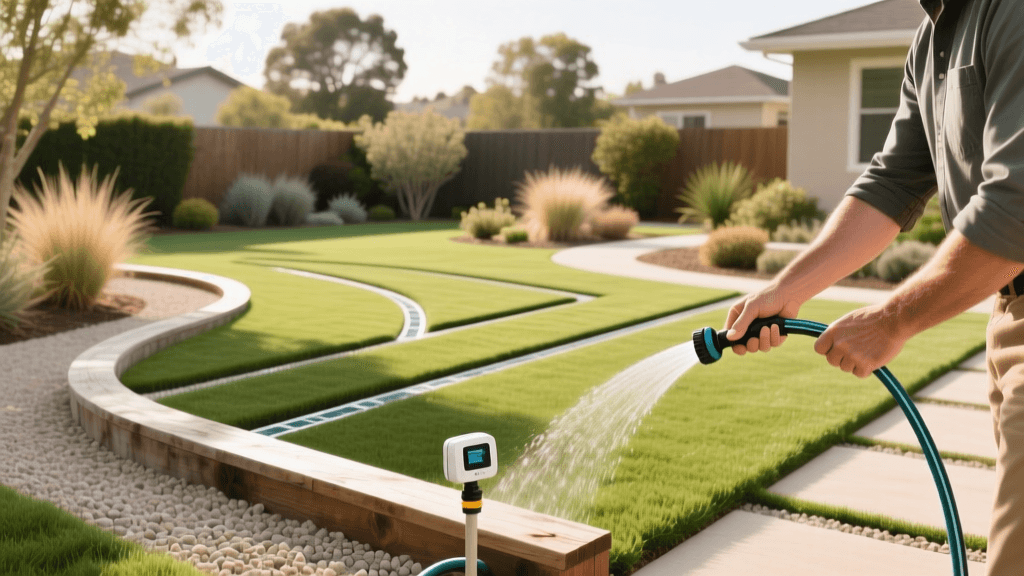
Planning Lawn Shapes and Edging for Efficient Mowing
Designing your lawn is about more than just picking the right grass seed or laying down fresh sod. The physical shape, layout, and borders of your turfgrass play a massive role in how much time you spend maintaining it. Poorly planned lawns with awkward angles, scattered garden beds, and narrow grass corridors can double your mowing and trimming time. By approaching lawn care from a design and planning perspective, you can create a beautiful, functional landscape that minimizes chore time and maximizes curb appeal. In this comprehensive guide, we will explore the principles of efficient lawn design, how to install proper mowing strips, and the concept of hydrozoning to save water and money.
The Core Principles of Efficient Lawn Design
When planning a new lawn or renovating an existing one, the geometry of your turf dictates your maintenance workload. Landscape architects and turfgrass specialists recommend avoiding sharp, acute angles and scattered island beds. Every time a mower reaches a sharp corner or a tree ring, the operator must slow down, maneuver, and often follow up with a string trimmer. Over a season, these micro-adjustments add up to hours of wasted labor.
Embrace Sweeping Curves
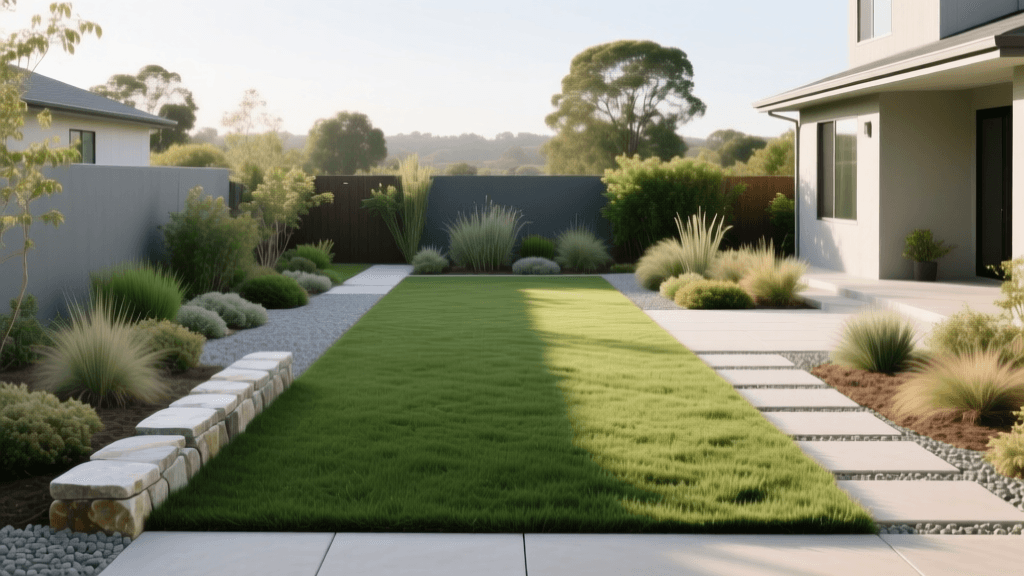
Instead of rigid, wavy, or scalloped edges, design your lawn borders with long, sweeping curves. A gentle curve allows a riding mower or a zero-turn mower to maintain a steady speed and turning radius without stopping. As a general rule, the radius of any curve should be at least six feet. This ensures that even large commercial mowers can navigate the edge smoothly without tearing the turf or requiring manual edging.
Eliminate Grass Islands
A grass island is a small patch of turf surrounded by hardscape, garden beds, or structures. These are notorious time-sinks. If you have a tree in the middle of your lawn, do not leave a circle of grass around it that requires weekly trimming. Instead, expand the mulch or groundcover bed around the tree to a diameter that accommodates the full drip line, or connect the tree bed to the main perimeter border using a flowing landscape bed. Consolidating your turf into one or two large, continuous zones drastically reduces mowing time.
Designing Mowing Strips and Edging Borders
A mowing strip (also known as a mower strip) is a flat, hard surface installed flush with the soil grade along the perimeter of your lawn. It allows the mower deck to pass over the edge without dropping a wheel into the garden bed, which prevents scalping the grass and eliminates the need for a string trimmer along those borders.
Dimensional Guidelines for Mowing Strips
- Push Mowers: Require a minimum width of 12 to 18 inches to keep all wheels on a stable surface.
- Riding Lawn Tractors: Require a minimum width of 24 to 36 inches to accommodate the wider wheelbase and prevent the deck from catching on adjacent landscape timbers.
- Zero-Turn Mowers: Need at least 36 to 48 inches of clearance to execute smooth, tear-free turns at the end of a mowing row.
Material Selection
Choose materials that are durable and visually complementary to your home. Concrete pavers, such as those from Belgard or Pavestone, offer excellent durability and can be laid in a soldier course for a clean, modern look. Alternatively, poured concrete mowing strips provide a seamless surface, though they can crack over time due to frost heave in colder climates. For a more natural aesthetic, compacted decomposed granite or flagstone set in a sand base works beautifully, provided the joints are tightly filled to prevent weed growth.
Hydrozoning: Planning for Water Efficiency
Lawn planning is not just about mowing; it is also about resource management. Hydrozoning is the practice of grouping plants and turf areas with similar water, sunlight, and soil requirements together. This design strategy prevents overwatering drought-tolerant plants and underwatering thirsty turfgrass.
According to the University of California Agriculture and Natural Resources (UC ANR), implementing hydrozones can reduce outdoor water usage by up to 50 percent. To apply this to your lawn design, divide your property into distinct zones:
- Routine Watering Zone: Your primary turfgrass area, which requires regular irrigation and fertilization. Place this in high-traffic, highly visible areas like the front yard or main play area.
- Reduced Watering Zone: Areas with shade or low-traffic ornamental grasses that require less frequent irrigation. Deep-rooted shade-tolerant fescues or native groundcovers work well here.
- Minimal Watering Zone: Perimeter borders, steep slopes, or distant corners of the property. Replace traditional turf in these areas with xeriscaping elements, native shrubs, and heavy mulch to eliminate irrigation needs entirely.
By strategically planning your lawn zones based on microclimates and water needs, you not only lower your utility bills but also promote a deeper, healthier root system in your primary turf areas. - UC ANR Water Conservation Guidelines
Lawn Shape and Feature Comparison Chart
Understanding how different design elements impact your weekly chores is crucial for long-term lawn care planning. Review the comparison chart below to see how various lawn features affect maintenance.
| Lawn Feature | Mowing Ease | Trimming Time | Aesthetic Appeal | Recommendation |
|---|---|---|---|---|
| Acute Angles (Corners) | Poor | High | Formal, but rigid | Avoid; round off corners to at least a 4-foot radius. |
| Sweeping Curves | Excellent | Low | Natural, flowing | Highly recommended for perimeter beds and tree rings. |
| Grass Islands | Poor | Very High | Cluttered | Eliminate; merge into larger beds or remove entirely. |
| Flush Paver Borders | Excellent | None | Structured, neat | Install along all hardscape and garden bed transitions. |
| Narrow Corridors | Fair | Moderate | Functional | Widen to accommodate the full width of your mower deck. |
Step-by-Step Lawn Planning and Redesign Process
Ready to transform your high-maintenance yard into an efficiently designed landscape? Follow these actionable steps:
1. Map Your Current Space
Use a garden hose to lay out new proposed borders. Leave the hose in place for a few days to observe how the curves look from different windows in your home and how they interact with the sun and shade patterns. This visual mockup costs nothing and prevents costly hardscaping mistakes.
2. Calculate Mower Clearances
Measure the total width of your mower, including the discharge chute. Ensure that any gates, pathways, or narrow passages between garden beds are at least 6 inches wider than your mower deck to prevent scraping and damage to both the machine and your plants.
3. Excavate and Install Edging
Use a manual half-moon edger or a gas-powered stick edger to cut a clean trench along your newly designed curves. Remove the turf in the mowing strip area to a depth of at least 4 inches. Lay down a 2-inch base of compacted gravel, followed by a 1-inch layer of leveling sand, before setting your pavers or pouring concrete.
4. Transition to Hydrozones
Identify the edges of your new routine watering zone. Install a drip irrigation system for the adjacent reduced-water zones to ensure that water is not wasted on the newly expanded mulch beds. Use a high-quality landscape fabric and a 3-inch layer of hardwood mulch to suppress weeds in the non-turf areas.
Cost Estimates for Lawn Redesign and Borders
Budgeting is a critical part of the planning phase. While costs vary by region and material quality, here are standard industry estimates to help you plan your lawn redesign:
- Turf Removal and Grading: Expect to pay between $1.50 and $3.00 per square foot if hiring a professional crew with sod cutters and skid steers to remove awkward grass islands and level the remaining yard.
- Concrete Paver Mowing Strips: Materials like standard concrete pavers cost roughly $2.00 to $4.00 per square foot. With professional installation, including base preparation, expect to pay $8.00 to $12.00 per linear foot for a 24-inch wide strip.
- Steel Landscape Edging: For a more subtle border that still contains mulch and defines the sweeping curves, heavy-duty steel edging (such as Vigoro or Col-Met brands) costs about $3.00 to $5.00 per linear foot installed.
- Sod Installation for New Zones: If you are establishing a new routine watering zone with premium Kentucky Bluegrass or Zoysia, sod costs range from $0.40 to $0.80 per square foot, plus an additional $0.50 per square foot for soil prep and labor.
Conclusion
Effective lawn care begins long before you start the mower. By thoughtfully planning your lawn shapes, installing flush mowing borders, and implementing hydrozones, you transition from fighting your landscape to working in harmony with it. These design strategies not only elevate the visual appeal of your property but also reclaim hours of your weekend, reduce water consumption, and create a healthier, more resilient turfgrass ecosystem. Take the time to plan your lawn zones this season, and enjoy the dividends of a beautifully designed, low-maintenance landscape for years to come.