Lawn Care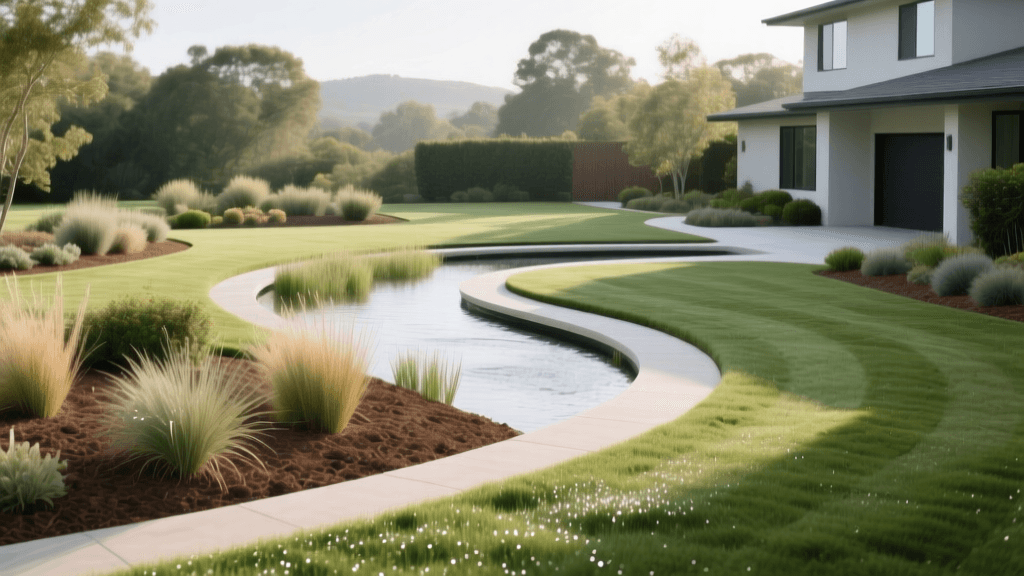
Designing Lawn Shapes and Hydrozones for Easy Care
The Intersection of Lawn Design and Practical Maintenance
When most homeowners think about lawn care, they immediately picture mowing, fertilizing, and pulling weeds. However, the foundation of a truly low-maintenance and beautiful yard begins long before you ever start the mower. It starts with strategic landscape planning. By intentionally designing your lawn shapes and implementing a concept known as hydrozoning, you can drastically reduce your weekend chore list, lower your water bills, and create a more ecologically balanced outdoor space.
Designing your lawn from a practical perspective means aligning your aesthetic desires with the physical realities of yard work. Sharp corners, narrow grass strips, and mismatched irrigation zones are the primary culprits behind wasted time and dead turf. In this comprehensive guide, we will explore how to plan curved lawn borders for effortless mowing and how to map out hydrozones to ensure every plant in your yard gets exactly the amount of water it needs to thrive.
Designing Lawn Shapes for Effortless Mowing
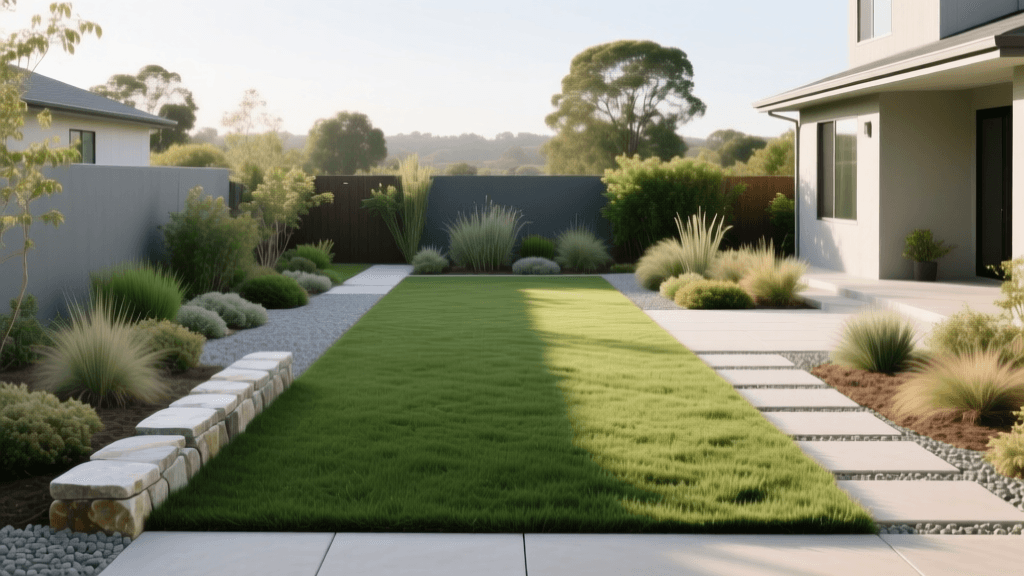
The shape of your lawn dictates how long it takes to mow. Traditional suburban landscapes often feature rigid, 90-degree corners and narrow strips of grass between sidewalks and driveways. While these geometric shapes might look neat on a blueprint, they are a nightmare to maintain. Every sharp corner requires you to stop the mower, perform a multi-point turn, and trim the edges with a string trimmer. Over a single mowing season, this adds hours of unnecessary labor and increases wear and tear on your equipment.
The Garden Hose Method for Perfect Curves
To eliminate sharp angles and create flowing, naturalistic lawn borders, landscape architects rely on the garden hose method. Instead of using spray paint or stakes and string, lay a flexible garden hose along the edge of your proposed lawn bed. Step back and observe the curve from different angles, including from inside your home looking out.
When designing these curves, keep your mower's turning radius in mind. A standard 21-inch push mower or a 42-inch riding tractor requires a gentle curve to turn around without tearing the turf. Aim for curves with a minimum radius of three to four feet. This allows you to drive the mower smoothly along the perimeter in a continuous motion, eliminating the need to stop and reverse. Furthermore, ensure that any grass pathways or bridges between garden beds are at least four feet wide—narrower strips will cause the mower wheels to drop off the edge, scalping the grass and creating unsightly brown patches.
Hydrozoning: Planning Your Lawn by Water Needs
Once you have established the physical shape of your turf areas, the next critical planning phase is hydrozoning. Hydrozoning is the practice of grouping plants with similar water, sunlight, and soil requirements together into distinct irrigation zones. This prevents the common mistake of overwatering drought-tolerant shrubs just to keep the adjacent grass alive.
According to the University of California Agriculture and Natural Resources (UC ANR), hydrozoning is a cornerstone of water-efficient landscaping. By matching plant water needs to specific irrigation valves, homeowners can reduce outdoor water use by up to 30% while improving overall plant health and reducing disease pressure caused by excess moisture.
The Three-Zone Hydroplan Strategy
To effectively plan your landscape, divide your yard into three primary hydrozones:
- Zone 1: The Oasis (High Water Use) This is your primary lawn area, typically located near the patio or back door where you spend the most time. This zone receives the most attention, regular mowing, and frequent irrigation. Cool-season grasses like Kentucky Bluegrass or warm-season grasses like St. Augustine belong here, supported by dedicated sprinkler heads that provide uniform coverage.
- Zone 2: The Transition (Moderate Water Use) This area borders the Oasis but sees less foot traffic. It is the perfect place for drought-tolerant turf alternatives, such as Turf-Type Tall Fescue or Buffalograss, mixed with hardy perennial flower beds. These areas should be on a separate irrigation valve, receiving deep but infrequent watering to encourage deep root growth.
- Zone 3: The Perimeter (Low Water Use) The outer edges of your property, especially those near sidewalks or property lines, should be reserved for native plants, ornamental grasses, and mulch beds. These areas rely primarily on natural rainfall and require minimal supplemental irrigation, ideally delivered via drip lines rather than overhead sprayers to minimize evaporation.
Material and Cost Breakdown for Lawn Redesign
Transitioning from a traditional, high-maintenance layout to a planned, hydrozoned landscape requires some upfront investment. Below is a breakdown of the materials and costs associated with redesigning your lawn borders and upgrading your irrigation planning.
| Item / Material | Purpose | Estimated Cost | Longevity / ROI |
|---|---|---|---|
| Vigoro Steel Landscape Edging | Creating permanent, clean borders between turf and mulch beds. | $1.50 - $2.50 per linear foot | 15+ years; prevents grass encroachment. |
| Rachio 3 Smart Sprinkler Controller | Automating hydrozones based on local weather and soil type. | $229 - $279 (8 or 16 zone) | Pays for itself in 1-2 seasons via water savings. |
| Pennington Smart Seed (Tall Fescue) | Transition Zone turf that requires 30% less water than standard seed. | $35 - $45 per 10 lb bag | Annual overseeding costs reduced due to drought tolerance. |
| Subsurface Drip Irrigation Kit | Watering Zone 3 perimeter shrubs without wetting the lawn. | $60 - $120 per 100 ft kit | Reduces water loss to evaporation by up to 50%. |
Transition Zones: Where Lawn Meets Garden
A well-planned lawn design must also address the physical transition between the grass and your garden beds. Without a proper physical barrier, aggressive turfgrasses like Bermudagrass or Zoysia will quickly invade your mulched hydrozones, turning a planned garden into a weeding nightmare.
To establish a clean transition, install heavy-duty steel edging rather than cheap plastic bender board. Steel edging, such as the Vigoro or Col-Met brands, should be driven into the soil so that the top edge sits about half an inch below the soil surface. This specific measurement is crucial: it allows the mower deck to glide over the steel without striking it, while the string trimmer can easily run along the inside edge. When digging the trench for the edging, ensure it is at least four inches deep to block the lateral spread of turfgrass rhizomes. After installing the edging, create a shallow swale on the garden bed side to catch mulch and prevent it from spilling over onto the lawn.
Step-by-Step Implementation Timeline
Redesigning your lawn is a major project that should be timed according to your local climate and the type of grass you are planting. Here is a practical timeline for executing your new landscape plan:
- Early Spring (Planning and Mapping): Conduct a soil test to determine your pH and nutrient levels. Map out your hydrozones and lay out the garden hose to visualize your new curved borders.
- Mid-Spring (Hardscaping and Edging): Dig the trenches and install your steel landscape edging. Lay down new drip irrigation lines for your Zone 3 perimeter beds and install the smart controller.
- Early Fall (Turf Renovation): If you are converting Zone 2 to a drought-tolerant Tall Fescue, early fall is the ideal time to aerate, overseed, and establish new turf before the winter freeze.
- Late Fall (Mulching and Winterizing): Apply a fresh three-inch layer of hardwood mulch to all non-turf hydrozones to insulate plant roots and suppress early spring weeds.
Final Thoughts on Landscape Planning
Designing your lawn with maintenance in mind is one of the smartest investments you can make in your property. By replacing sharp, time-consuming corners with sweeping, mower-friendly curves, you reclaim your weekends. By implementing a strategic hydrozone plan, you conserve vital water resources and create a landscape that is naturally resilient to environmental stress. Remember that great lawn care is not just about how you treat the grass, but how you thoughtfully integrate the grass into the broader ecosystem of your yard.