Lawn Care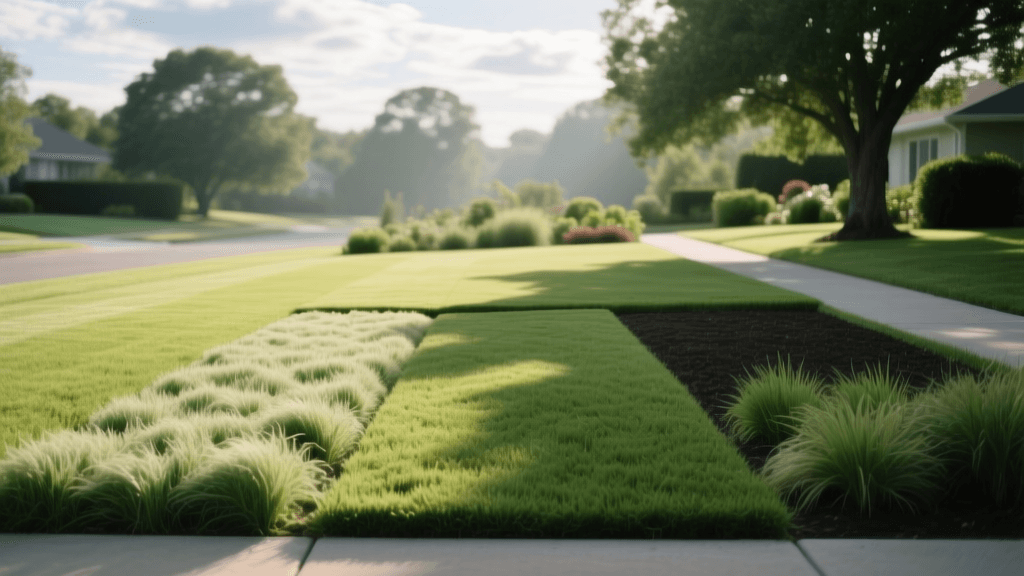
Strategic Lawn Zoning: Planning Grass Types by Microclimate
The Art and Science of Lawn Zoning
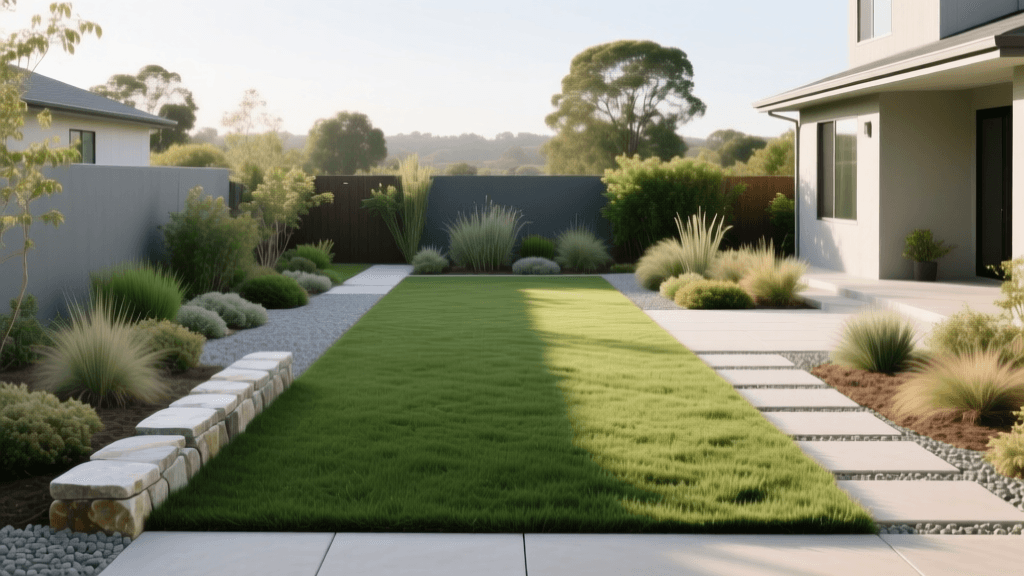
Most homeowners make a critical error when designing and planning their lawn care strategy: they treat their entire yard as a single, uniform canvas. In reality, every landscape is a complex mosaic of microclimates. Variations in sunlight, soil composition, drainage, and foot traffic mean that a single grass species will inevitably thrive in some areas while failing in others. Strategic lawn zoning is the practice of mapping these microclimates and planning your turfgrass selection, irrigation, and soil amendments accordingly. By approaching your lawn from a design and planning perspective, you can reduce water waste, minimize fungal diseases, and create a lush, resilient landscape that serves both aesthetic and functional purposes.
Step 1: Mapping Your Yard’s Microclimates
Before purchasing a single bag of seed or fertilizer, you must conduct a thorough site analysis. Start by drawing a base map of your property, noting the location of your home, trees, fences, and hardscaping. Over the course of a sunny mid-summer day, track the sunlight exposure in different areas of your yard every two hours. Categorize your lawn into three primary light zones:
- Full Sun Zones: Areas receiving 6 to 8+ hours of direct, unfiltered sunlight daily. These zones are prone to drought stress and heat damage but are ideal for high-traffic grasses.
- Partial Shade Zones: Areas receiving 4 to 6 hours of direct sunlight or dappled light throughout the day. These zones require careful grass selection to balance photosynthesis needs with moisture retention.
- Dense Shade Zones: Areas receiving fewer than 4 hours of direct sunlight, often found under dense tree canopies or on the north side of tall structures. Turfgrass struggles here, and alternative groundcovers or mulch beds may be required.
Next, map your soil drainage. Observe the yard after a heavy rainfall. Areas where water pools for more than 12 hours indicate heavy clay soils or poor grading, which will require core aeration, topdressing with compost, or the installation of French drains before seeding.
Step 2: Defining Functional Lawn Zones
Lawn planning is not just about biology; it is about human interaction. Divide your mapped microclimates into functional zones based on how the space will be used. High-traffic zones, such as play areas for children or pathways for pets, require aggressive, self-repairing grasses like Kentucky Bluegrass or Bermudagrass. Ornamental zones, which are strictly for visual appeal and are rarely walked upon, can utilize more delicate, fine-textured grasses like Creeping Red Fescue. Transition zones, which border concrete driveways or stone patios, experience radiant heat stress and require highly drought-tolerant, heat-resistant varieties.
Step 3: Matching Grass Species to Specific Zones
Once your functional and microclimate zones are defined, you can select the appropriate turfgrass. The following comparison chart outlines the best grass types based on your specific yard planning:
| Grass Type | Ideal Zone | Sun Requirement | Traffic Tolerance | Drought Tolerance | Est. Seed Cost (per 5,000 sq ft) |
|---|---|---|---|---|---|
| Kentucky Bluegrass | Full Sun / Play Areas | 6-8+ Hours | High (Rhizome repair) | Moderate | $45 - $60 |
| Tall Fescue | Sun to Partial Shade | 4-8 Hours | High (Bunchgrass) | High | $35 - $50 |
| Fine Fescue | Partial to Dense Shade | 2-4 Hours | Low | Moderate | $40 - $55 |
| Bermudagrass | Full Sun / High Heat | 8+ Hours | Very High | Very High | $50 - $75 |
| Zoysia | Sun / Transition Zones | 6-8 Hours | High | High | $70 - $100 (Plugs/Seed) |
Step 4: Product Recommendations and Soil Preparation
Executing your lawn design requires specific, high-quality products tailored to your zones. For Full Sun and High Traffic Zones, a blend is always superior to a single species to prevent total lawn loss from disease. We recommend Jonathan Green Black Beauty Ultra Mix, which combines Tall Fescue for deep rooting, Kentucky Bluegrass for lateral spread, and Perennial Ryegrass for rapid germination. Plan to apply 8 to 10 pounds of seed per 1,000 square feet for new lawns, or 4 to 5 pounds for overseeding.
For Partial to Dense Shade Zones, avoid standard sun-and-shade mixes that often rely heavily on ryegrass, which will thin out and die in low light. Instead, use Pennington Smart Seed Dense Shade, which is heavily weighted toward shade-tolerant fine fescues and specialized tall fescues. Apply at a rate of 5 to 6 pounds per 1,000 square feet.
Soil preparation is the foundation of your design. Before seeding any zone, conduct a soil test. Most turfgrasses prefer a pH between 6.0 and 7.0. If your soil test indicates acidic soil (pH below 6.0), plan to apply pelletized limestone at a rate of 50 pounds per 1,000 square feet to raise the pH. For seeding, use a starter fertilizer with a high phosphorus content to promote root development, such as Lesco Starter Fertilizer (18-24-12), applying it at a rate of 3.5 pounds per 1,000 square feet on the exact day of seeding.
Step 5: Hydrozoning and Irrigation Planning
A critical component of landscape planning is hydrozoning—the practice of grouping plants and turfgrass with similar water requirements together to maximize irrigation efficiency. According to the EPA’s WaterSense program, improper irrigation zoning can lead to up to 50% water waste in residential landscapes. When planning your sprinkler system, assign separate valves to your Full Sun Zones and your Shade Zones. Full sun zones may require 1 to 1.5 inches of water per week during peak summer, while shaded zones may only require 0.5 to 0.75 inches. Overwatering shaded zones to satisfy the needs of adjacent sunny zones is the leading cause of fungal pathogens like Pythium Blight and Brown Patch.
Authoritative Guidelines for Turf Selection
When finalizing your lawn care design, it is vital to rely on peer-reviewed, regional data rather than generic big-box store advice. The University of California Integrated Pest Management (UC IPM) program emphasizes that turfgrass selection must be strictly aligned with local microclimates and water availability. Similarly, Penn State Extension provides vital guidance for cool-season lawns, noting that genetic diversity is key to landscape resilience.
"A lawn composed of a single species or cultivar is highly susceptible to environmental stress and disease. We strongly recommend planting a blend of at least three different grass species adapted to the specific microclimates of your property to ensure long-term turf survival and reduce the need for chemical interventions." — Penn State Extension, Turfgrass Management Guidelines
By integrating these extension-backed principles into your initial design phase, you transition from reactive lawn maintenance to proactive landscape management.
Conclusion: Bringing Your Design to Life
Planning your lawn by microclimate and functional zones transforms a frustrating maintenance chore into a thriving, sustainable landscape. By taking the time to map sun exposure, define traffic patterns, select specialized seed blends, and implement intelligent hydrozoning, you set the stage for a lawn that is both beautiful and biologically sound. Remember that a successful lawn care routine begins long before the mower starts; it begins on the drafting table, with a deep understanding of your yard’s unique environmental footprint.