Lawn Care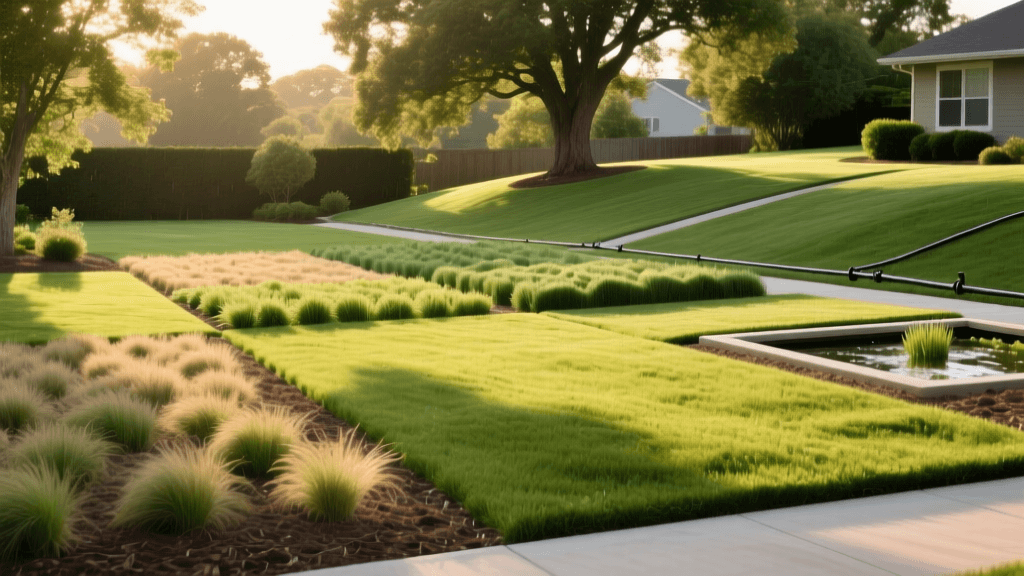
Planning Lawn Zones: Hydrozoning and Grass Selection Guide
Introduction to Hydrozoning in Lawn Design
When planning a new lawn or renovating an existing one, the most common mistake homeowners make is treating the entire yard as a single, uniform ecosystem. In reality, your property is a patchwork of microclimates, each with distinct sunlight exposure, soil composition, and drainage characteristics. Applying the same grass seed, fertilizer schedule, and irrigation volume to a deeply shaded, poorly drained corner as you do to a sun-baked, high-traffic front yard is a recipe for patchy turf, rampant weed invasion, and inflated water bills.
From a design and planning perspective, the most effective strategy for a sustainable, aesthetically pleasing landscape is hydrozoning. Hydrozoning is the practice of dividing your yard into distinct management zones based on the water, sun, and maintenance requirements of the plants and turfgrasses within them. By aligning your lawn care plan with the natural microclimates of your property, you can reduce outdoor water usage by up to 50 percent, minimize fertilizer runoff, and create a dynamic, visually interesting landscape that thrives year-round.
Step 1: Mapping Your Yard's Microclimates
Before purchasing a single bag of premium seed or scheduling a landscaping crew, you must conduct a thorough site analysis. Understanding the environmental variables across your property dictates which grasses will thrive and which will struggle.
Conducting a Sunlight Audit
Track the sun exposure across your yard over a full 12-hour period during the peak growing season. Categorize your landscape into three light zones:
- Full Sun: Areas receiving 6 to 8+ hours of direct, unfiltered sunlight daily. These zones are ideal for robust, high-traffic grasses like Kentucky Bluegrass or Bermudagrass.
- Partial Shade: Areas receiving 4 to 6 hours of direct sunlight, often filtered through deciduous tree canopies. Tall Fescue and Zoysiagrass perform well here.
- Full Shade: Areas receiving less than 4 hours of direct sunlight, typically under dense evergreens or on the north side of structures. Traditional turfgrasses struggle here; consider shade-tolerant Fine Fescues or transitioning to groundcovers like creeping thyme or moss.
The Soil Percolation and Texture Test
Drainage is just as critical as sunlight. To determine your soil's percolation rate, dig a hole 12 inches deep and 12 inches wide in your proposed 'Zone 1' area. Fill it with water and let it drain completely to saturate the soil. Refill it to the top and measure how many inches the water level drops per hour.
- Sandy Soil (Over 2 inches/hour): Drains too quickly, leaching nutrients. Requires frequent, shallow watering and heavy organic amendment.
- Loamy Soil (1 to 2 inches/hour): The gold standard for lawn care. Retains moisture while allowing adequate drainage.
- Clay Soil (Under 1 inch/hour): Prone to compaction and pooling. Requires core aeration and the integration of expanded shale or compost to improve porosity.
For precise nutrient mapping, invest in a professional soil test kit like the Soil Savvy Soil Test Kit (approx. $30) or send a sample to your local university extension office. This will reveal your exact pH and N-P-K (Nitrogen, Phosphorus, Potassium) baseline, allowing you to plan your fertilization schedule accurately.
Step 2: Defining the Four Hydrozones
Once your microclimates are mapped, divide your property into four distinct hydrozones. This design strategy ensures that every square foot of your yard is optimized for its specific environmental conditions.
Zone 1: The Core Oasis (High Water, High Traffic)
This is your primary entertainment area, play space, or front-facing curb appeal zone. It receives optimal sunlight and experiences heavy foot traffic. Grasses here require the most maintenance, frequent mowing, and consistent irrigation (1.2 to 1.5 inches of water per week). Because this zone is highly visible, it justifies the investment in premium seed blends and automated irrigation.
Zone 2: The Transition Corridors (Moderate Water, Moderate Traffic)
These areas border the core oasis and serve as visual transitions to the outer edges of your property. They may experience partial shade from perimeter trees or moderate foot traffic from pathways. Grasses here should be drought-tolerant and require slightly less water (1.0 to 1.2 inches per week) and fertilizer.
Zone 3: The Perimeter and Ornamentals (Low Water, Low Traffic)
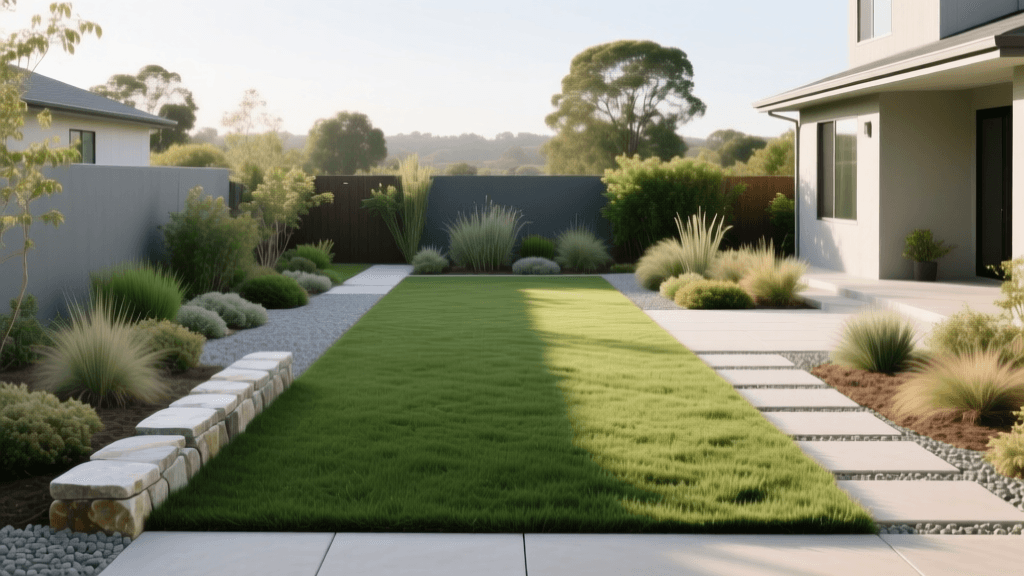
Located at the edges of your property, along fences, or on slopes where mowing is difficult. These areas are strictly ornamental and experience little to no foot traffic. They should be planted with low-water, slow-growing grasses or native groundcovers that require minimal mowing and only 0.5 inches of water per week.
Zone 4: The Naturalized Edges (No Supplemental Water)
Far corners, steep embankments, or areas under dense, water-hoarding trees (like mature maples or pines). These zones should be entirely naturalized with native wildflowers, clover, or xeriscaped with hardscaping and mulch. They rely solely on natural rainfall.
Grass Selection by Zone: A Comparison Chart
Use the following table to match your grass type to the appropriate hydrozone. Costs are estimated based on premium seed blends covering 1,000 square feet.
| Grass Type | Best Hydrozone | Water Needs (Inches/Week) | Traffic Tolerance | Est. Seed Cost (per 1k sq ft) |
|---|---|---|---|---|
| Kentucky Bluegrass | Zone 1 (Cool) | 1.2 - 1.5 | High | $15 - $25 |
| Tall Fescue | Zone 2 (Cool) | 1.0 - 1.2 | Moderate-High | $12 - $18 |
| Fine Fescue | Zone 3 (Cool) | 0.5 - 0.8 | Low | $18 - $28 |
| Bermudagrass | Zone 1 (Warm) | 1.0 - 1.5 | Very High | $20 - $35 |
| Zoysiagrass | Zone 2 (Warm) | 0.8 - 1.0 | Moderate-High | $25 - $40 |
| Buffalograss | Zone 3 (Warm) | 0.2 - 0.5 | Low-Moderate | $30 - $45 |
Step 3: Soil Preparation and Amendment Strategies
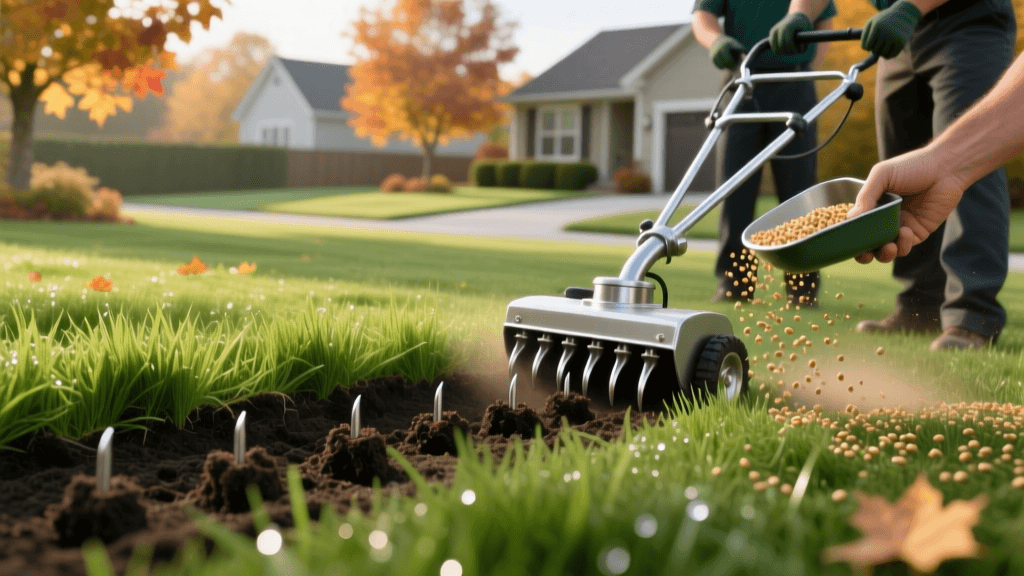
A well-planned lawn design will fail if the soil cannot support the root system. Once your zones are mapped, soil preparation is the next critical phase. For Zones 1 and 2, plan to core aerate the existing soil and apply a 1/4 to 1/2 inch layer of screened compost topdressing. This improves water retention in sandy soils and breaks up compaction in clay soils.
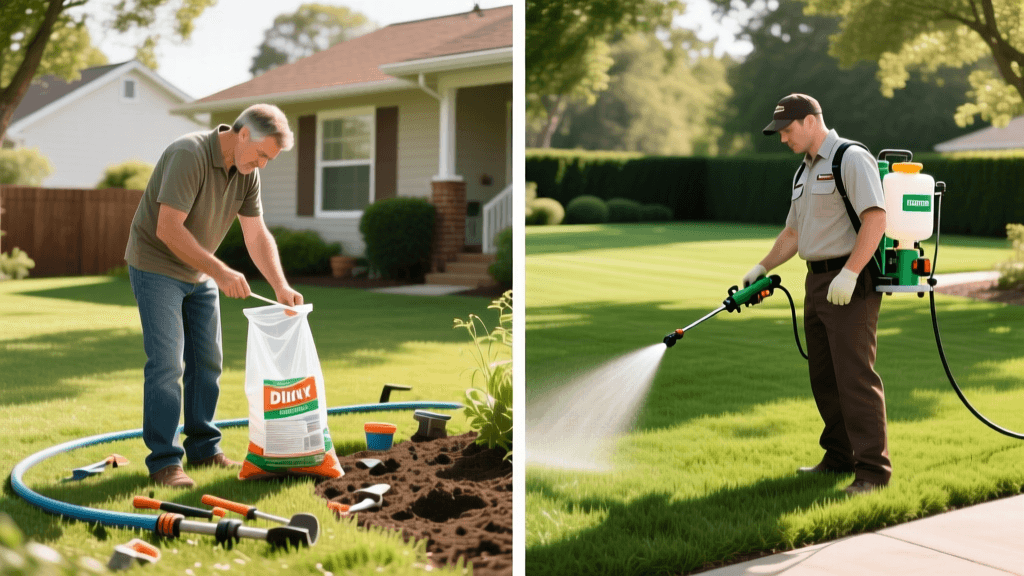
If your soil test reveals a pH below 6.0 (common in the Northeast and Pacific Northwest), apply a calcium carbonate-based soil conditioner like Jonathan Green MAG-I-CAL. A 50 lb bag covers up to 5,000 square feet and costs roughly $35. Raising the pH to the optimal 6.5 to 7.0 range unlocks trapped nutrients, making your subsequent fertilizer applications significantly more effective and cost-efficient.
Step 4: Irrigation Planning and Smart Technology
Designing your irrigation system to match your hydrozones is where the true financial and environmental savings begin. Traditional sprinkler systems apply water uniformly, wasting thousands of gallons on Zone 3 and Zone 4 areas that do not need it.
- Smart Controllers: Upgrade to a Wi-Fi-enabled smart controller like the Rachio 3 (approx. $230). These devices connect to local weather stations and automatically skip watering cycles when rain is in the forecast, adjusting run times based on seasonal evapotranspiration rates.
- High-Efficiency Nozzles: Replace standard spray heads in Zones 1 and 2 with Hunter MP Rotator nozzles ($8 to $12 each). These multi-stream rotary nozzles apply water at a slower rate, allowing it to penetrate the soil rather than running off into the street.
- Drip Irrigation: For Zone 3 ornamental beds and perimeter shrubs, install subsurface drip lines. Drip irrigation delivers water directly to the root zone with 90% efficiency, compared to the 60-70% efficiency of overhead spray heads.
Step 5: Timing Your Planting and Maintenance
Proper planning also means executing your lawn care tasks at the biologically optimal times. Planting outside the correct window leads to seed failure and wasted capital.
- Cool-Season Grasses (Zones 1-3 in Northern Climates): The absolute best time to seed or overseed is between August 15 and September 15. Soil temperatures are warm enough for rapid germination, but the cooling air temperatures and autumn rains reduce heat stress and weed competition.
- Warm-Season Grasses (Zones 1-3 in Southern Climates): Seed or lay sod between May 15 and June 15. These grasses require soil temperatures consistently above 65°F to establish deep root systems before the peak heat of mid-summer.
Mowing heights must also be planned by zone. Zone 1 high-traffic areas should be mowed to 2.5 to 3 inches to encourage dense, lateral growth. Zone 3 low-traffic, drought-prone areas should be mowed to 3.5 or 4 inches. Taller grass blades shade the soil surface, reducing evaporation and keeping root zones cooler during summer heatwaves.
Expert Insights and Authoritative Citations
The principles of hydrozoning and microclimate mapping are heavily endorsed by leading environmental and agricultural organizations. According to the University of California Agriculture and Natural Resources (UC ANR), implementing hydrozoning in landscape design is one of the most effective methods for reducing outdoor water use by 20 to 50 percent while maintaining high aesthetic value and plant health.
By grouping plants with similar water needs and matching them to the natural conditions of the site, homeowners can eliminate the 'one-size-fits-all' irrigation approach that leads to overwatering, shallow root systems, and increased susceptibility to turf diseases. - UC ANR Landscape Water Conservation Guidelines
Furthermore, the EPA WaterSense program highlights that combining hydrozoning with smart irrigation technology and native grass selection can save the average American household nearly 30,000 gallons of water annually. By shifting your perspective from a uniform carpet of grass to a thoughtfully designed, zoned ecosystem, you create a lawn that is not only easier to maintain but also more resilient to environmental stressors, drought, and heavy use.