Lawn Care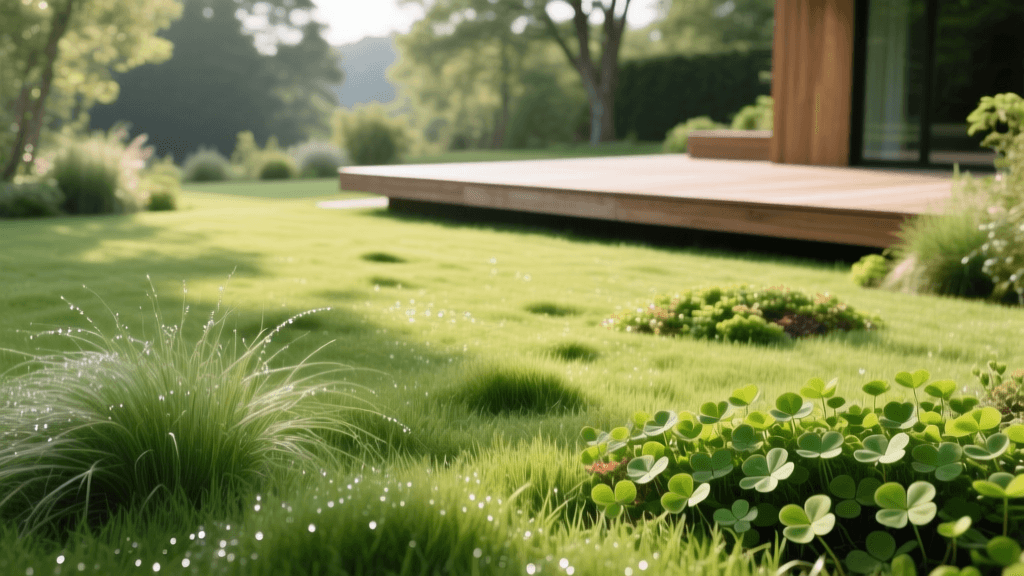
Planning a Low-Maintenance Eco-Lawn: Fescue and Clover
The Rise of the Eco-Lawn: Rethinking Turfgrass Design
For decades, the American lawn has been dominated by high-input, high-maintenance monocultures like Kentucky Bluegrass and Bermudagrass. However, a growing movement in landscape design is shifting toward the 'eco-lawn'—a biodiverse, low-maintenance turf alternative that mimics natural ecosystems while still providing a walkable, attractive green space. By blending fine fescues with micro-clover, homeowners can drastically reduce water consumption, eliminate synthetic nitrogen fertilizers, and cut mowing time in half.
Planning an eco-lawn requires a different mindset than traditional lawn care. Instead of fighting nature to maintain a sterile carpet of grass, you are designing a synergistic plant community. This guide will walk you through the design, planning, and implementation of a fescue and clover eco-lawn, complete with cost analyses, seed ratios, and long-term maintenance strategies.
Designing Your Eco-Lawn: Zoning and Layout
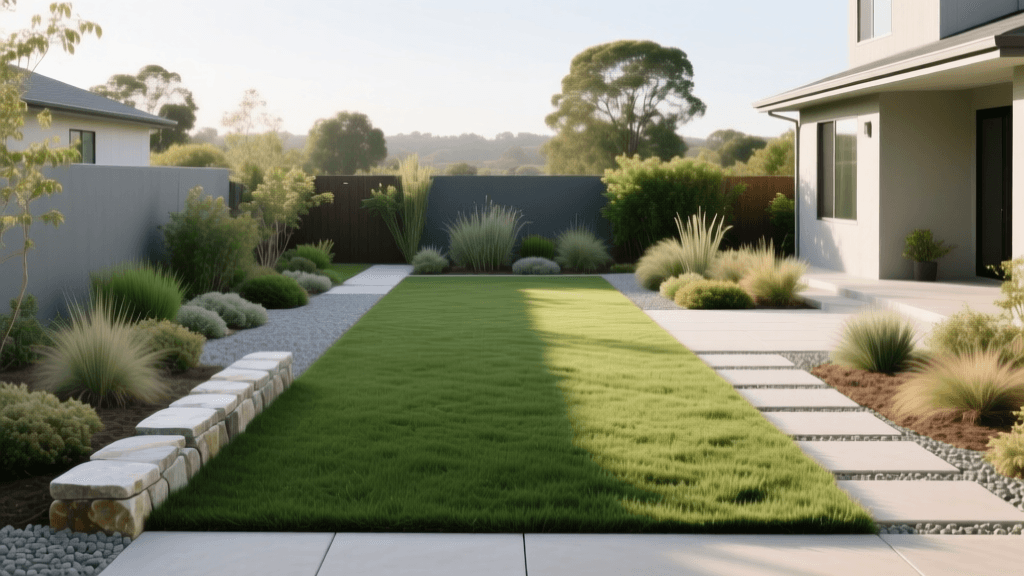
A common mistake homeowners make when transitioning to an eco-lawn is failing to frame it properly. Because fine fescues and clover have a slightly wilder, more textured appearance than highly manicured Kentucky Bluegrass, an eco-lawn can look 'weedy' if left unbounded. To achieve a deliberate, high-end landscape design, incorporate the following planning strategies:
- Define Hardscape Borders: Use steel edging, brick pavers, or natural stone borders to separate your eco-lawn from garden beds and walkways. Crisp edges signal to the eye that the textured turf is intentional.
- Hydrozone Your Yard: Fine fescues excel in partial shade and moderate sun, but they can struggle in extreme, unwatered heat. Reserve the hottest, most sun-baked southern exposures for drought-tolerant native groundcovers or hardscaping, and plant your eco-lawn in areas that receive 4 to 8 hours of sunlight.
- Create Pathways: Clover can become slippery when wet and may stain light-colored clothing if crushed. Plan for stepping stones or gravel pathways through high-traffic zones to preserve the integrity of the turf and keep clothes clean.
Traditional Turf vs. Eco-Lawn: By the Numbers
When planning your landscape budget, it is crucial to understand the long-term resource savings of an eco-lawn. Below is a comparison of a traditional Kentucky Bluegrass (KBG) lawn versus a Fine Fescue and Micro-Clover blend for a standard 5,000-square-foot yard in a temperate climate.
| Feature | Traditional KBG Lawn | Fescue & Micro-Clover Eco-Lawn |
|---|---|---|
| Annual Water Usage | 15,000 - 20,000 gallons | 5,000 - 8,000 gallons |
| Mowing Frequency | Weekly (25+ cuts/year) | Bi-weekly or Monthly (6-10 cuts/year) |
| Nitrogen Fertilizer | 3-4 lbs per 1,000 sq ft/year | 0 lbs (Clover fixes atmospheric N) |
| Estimated Annual Cost | $800 - $1,200 | $150 - $250 |
| Drought Tolerance | Low (goes dormant/brown quickly) | High (deep fescue roots retain green) |
Selecting the Right Seed Blend
The success of your eco-lawn hinges on selecting the correct cultivars. Do not use standard white clover or pasture fescues; they are too aggressive and large for a residential lawn setting.
The Fescue Component
Fine fescues are a family of cool-season grasses that include creeping red fescue, Chewings fescue, hard fescue, and sheep fescue. They are prized for their deep root systems, shade tolerance, and low fertility requirements. Look for specialized blends like Jonathan Green Black Beauty Ultra or Pennington Smart Seed Dense Shade, which heavily feature fine fescues. For a pure eco-lawn, aim for a seed mix that is at least 80% fine fescue by weight.
The Clover Component
You must use Trifolium repens var. Pirouette, commonly sold as 'Micro-clover' or 'Miniclover'. Unlike standard Dutch white clover, micro-clover has smaller leaves, grows lower to the ground, and blends seamlessly with grass blades. A highly rated product is Outsidepride Miniclover Seed. When planning your seed purchase, the general rule of thumb is to mix 2% to 5% micro-clover seed by weight into your fescue blend.
Site Preparation and Planting Strategy
Proper planning and site preparation are non-negotiable. Fine fescues are poor competitors against established aggressive weeds during their germination phase. The ideal time to plant an eco-lawn is early fall (late August to mid-September), when soil temperatures are around 65°F and weed competition is waning.
Step 1: Eradicate Existing Turf
Begin 4 to 6 weeks before planting. You can use a non-selective herbicide like glyphosate, or opt for organic solarization by mowing the existing lawn to the scalp, covering it with clear 2-mil plastic sheeting, and letting the sun bake the soil for a month.
Step 2: Soil Testing and Amendment
Send a soil sample to a reputable lab like Logan Labs or your local university extension. Eco-lawns thrive in slightly acidic to neutral soil (pH 6.0 to 7.0). If your soil is heavily compacted, perform a core aeration and top-dress with a 1/4-inch layer of screened compost to improve seed-to-soil contact and microbial activity.
Step 3: Seeding Rates and Sowing
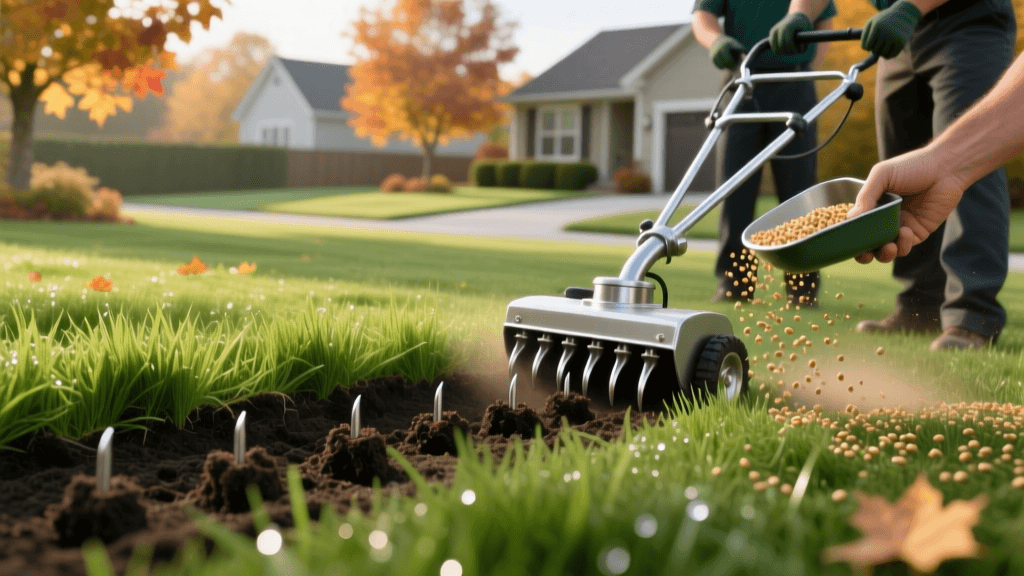
For a new eco-lawn, apply fine fescue seed at a rate of 5 to 7 lbs per 1,000 square feet. Mix in 0.25 lbs of micro-clover seed per 1,000 square feet. Use a broadcast spreader, applying half the seed in a north-south direction and the other half in an east-west direction to ensure even coverage. Lightly rake the seed into the top 1/8-inch of soil and roll with a water-filled lawn roller.
Cost Analysis and ROI
Transitioning to an eco-lawn requires a moderate upfront investment, but the return on investment is realized quickly. For a 5,000 sq ft lawn, expect to spend roughly $150 on high-quality seed, $100 on compost top-dressing, and $50 on equipment rentals (aerator/roller). The total installation cost sits around $300. Compared to the $1,000+ annual maintenance cost of a traditional lawn (water, fertilizer, gas, and chemical treatments), the eco-lawn pays for itself in the first year and yields a net positive savings of $700+ annually thereafter.
Long-Term Maintenance and Care
Maintaining an eco-lawn requires unlearning traditional lawn care habits. Your goal is to foster a balanced ecosystem, not a sterile monoculture.
- Mowing: Set your mower deck high—between 3.5 and 4 inches. Fine fescues perform best when allowed to grow slightly taller, which shades the soil, retains moisture, and suppresses weed germination. Mow only when the grass exceeds 5 inches, and never remove more than one-third of the blade at a time.
- Irrigation: Once established, eco-lawns require significantly less water. During severe summer droughts, apply 0.5 inches of water every two weeks simply to keep the crowns hydrated and prevent severe dormancy.
- Weed Control: This is the most critical paradigm shift. Do not use broadleaf herbicides (such as 2,4-D or Dicamba) on an eco-lawn, as they will instantly kill your nitrogen-fixing clover. Tolerate minor broadleaf weeds like dandelions or plantain; they contribute to the biodiversity and deep-soil aeration of your lawn.
- Fertilization: Stop applying synthetic nitrogen. The micro-clover will pull nitrogen from the atmosphere and deposit it into the soil via its root nodules, providing a slow-release, natural fertilizer to the surrounding fescues. An annual spring application of organic phosphorus and potassium (like rock dust or kelp meal) is sufficient.
Expert Insights on Nitrogen Fixation
The integration of legumes into turfgrass is backed by extensive university research. According to the Penn State Extension, integrating micro-clover into turfgrass stands provides a sustainable, natural source of nitrogen that reduces the need for synthetic inputs while maintaining turf quality.
'Microclover has the ability to fix atmospheric nitrogen, making it available to the surrounding grass plants. This symbiotic relationship not only reduces fertilizer requirements but also helps maintain a darker green color during periods of environmental stress.'
— Penn State Extension, Center for Turfgrass Science
By thoughtfully planning your landscape zones, investing in the correct seed cultivars, and adapting your maintenance routine, you can cultivate a lush, resilient eco-lawn that saves time, money, and the environment.