Pest Control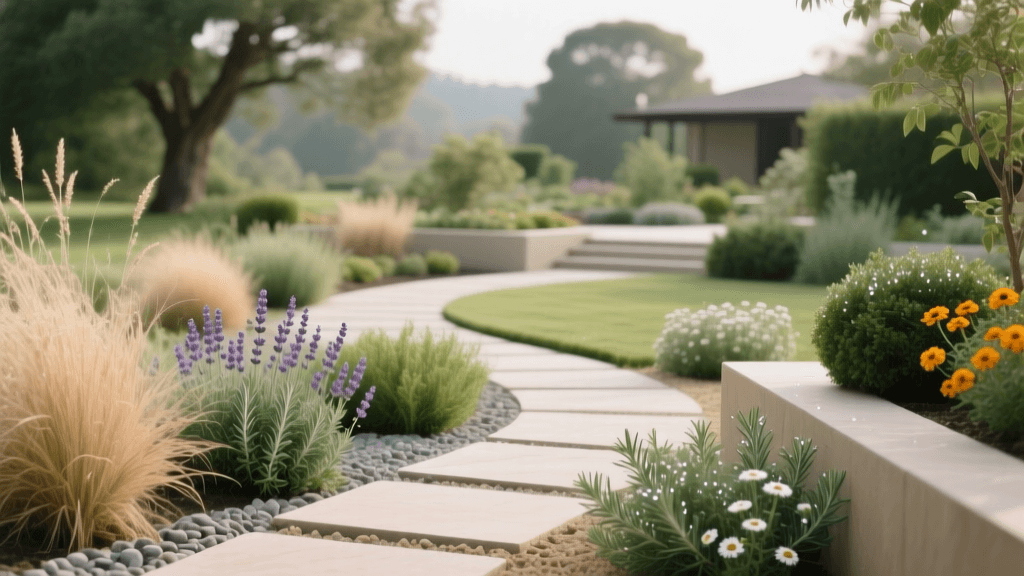
Design a Pest-Resistant Landscape: Planning & Plant Guide
Introduction to Pest-Resistant Landscape Design
When most homeowners think of pest control, they picture reactive measures: spraying chemical pesticides after an infestation has already taken hold. However, as a senior landscape planner and pest management specialist, I always advise clients that the most effective pest control strategy begins long before the first seed is planted or the first patio stone is laid. By integrating pest management into your landscape design phase, you can create an outdoor space that is inherently hostile to destructive insects while remaining welcoming to humans and beneficial pollinators.
This approach is rooted in Integrated Pest Management (IPM), a science-based strategy that focuses on long-term prevention. According to the University of California Agriculture and Natural Resources (UC ANR) Statewide IPM Program, modifying the landscape habitat to deter pests through smart design and plant selection can reduce the need for reactive chemical interventions by up to 70%. In this guide, we will explore how to plan your yard's layout, select the right hardscaping materials, and choose specific plant cultivars to naturally repel common lawn and garden pests.
"Integrated Pest Management (IPM) in the landscape begins with design. Selecting pest-resistant cultivars and modifying the habitat to deter pests reduces the need for reactive chemical interventions and promotes a healthier, self-regulating ecosystem." — University of California Agriculture and Natural Resources (UC ANR)
Zoning Your Yard for Pest Defense
A well-planned landscape is divided into distinct zones, each with its own microclimate and pest vulnerability. The most critical area to defend is the foundation of your home, where pests like termites, carpenter ants, and centipedes seek moisture and shelter.
The Foundation Perimeter
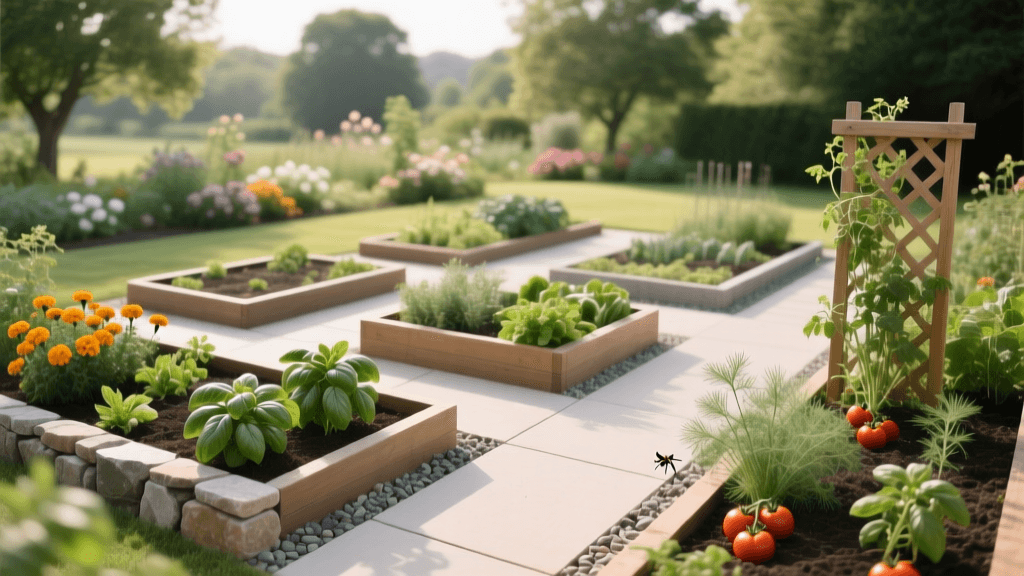
The first rule of pest-resistant hardscaping is to eliminate the "bridge" between your soil and your home's siding. You should maintain an 18-inch wide barrier around the entire foundation of your house. Instead of planting dense shrubs right against the house, use inorganic mulch like 3/4-inch crushed gravel or river rock. This material drains quickly, depriving moisture-loving pests of the damp environment they crave. Installing this gravel border typically costs between $1.50 and $3.00 per square foot, depending on local material and labor rates.
Furthermore, ensure your grading slopes away from the foundation at a minimum rate of 1/4 inch per foot for the first 6 feet. This prevents water pooling, which attracts mosquitoes and creates ideal conditions for wood-destroying organisms.
Mulch Alternatives and Application
If you prefer the look of organic mulch in your garden beds, opt for cedar or cypress mulch. Cedar contains natural oils, specifically thujone, which act as a potent deterrent to ants, termites, and cockroaches. When applying cedar mulch, keep the layer to a maximum depth of 2 inches and ensure it is kept at least 6 inches away from your home's foundation and the base of tree trunks to prevent rot and hidden pest harborage.
Strategic Plant Selection for Pest Deterrence
Not all plants are created equal when it comes to pest resistance. Some plants are highly susceptible to aphids and Japanese beetles, while others produce volatile organic compounds (VOCs) that naturally mask the scent of your prized vegetables or repel insects entirely. Incorporating these botanical repellents into your landscape design is a cornerstone of organic IPM.
| Plant Species | Target Pests Deterred | Ideal Landscape Zone |
|---|---|---|
| French Marigold (Tagetes patula) | Root-knot nematodes, whiteflies | Vegetable garden borders, tomato companion |
| Lavender (Lavandula angustifolia) | Moths, fleas, flies, mosquitoes | Sunny patios, walkways, seating areas |
| Alliums (Allium giganteum) | Aphids, Japanese beetles, slugs | Perennial beds, driveway borders |
| Chrysanthemums (Chrysanthemum cinerariifolium) | Roaches, ants, ticks, spider mites | Foundation plantings, porch containers |
| Rosemary (Salvia rosmarinus) | Cabbage moths, carrot rust flies | Herb gardens, dry xeriscape zones |
When planning your garden beds, interplant these deterrent species among your more vulnerable plants. For example, spacing lavender plants 24 inches apart along the perimeter of a patio not only provides a beautiful, fragrant border but also creates a chemical barrier that keeps biting flies away from your outdoor dining area.
Landscape Lighting and Nocturnal Pests
Lighting design plays a massive, often overlooked role in pest control. Many nocturnal insects, including moths, beetles, and the mosquitoes that follow them, exhibit positive phototaxis—they are drawn to light sources. Standard cool-white or daylight LEDs (5000K color temperature) emit high levels of blue and ultraviolet light, which are highly visible and attractive to insects.
To minimize this, design your outdoor lighting plan using warm-toned LEDs with a color temperature of 2700K or lower. Amber "bug lights" are even more effective, as they emit wavelengths that most insects cannot see. Additionally, incorporate motion-sensor technology and smart timers (such as the Philips Hue Outdoor system) to ensure lights are only active when necessary, drastically reducing the beacon effect that draws pests to your home at night.
Water Feature Planning and Mosquito Control
Water features like koi ponds, birdbaths, and fountains elevate a landscape design but can become breeding grounds for mosquitoes if not planned correctly. Mosquitoes require stagnant water to lay their eggs. Therefore, your design must prioritize water movement and biological controls.
- Pump Sizing: Ensure your pond or fountain pump is sized to turn over the entire volume of water at least once every two hours. This surface agitation prevents mosquitoes from laying eggs.
- Biological Treatments: For water features where a pump isn't feasible (like rain barrels or small decorative basins), plan for the regular use of Bacillus thuringiensis israelensis (Bti). Products like Summit Mosquito Dunks (costing roughly $10 for a pack of six) release this naturally occurring bacterium, which targets mosquito and black fly larvae without harming pets, birds, or beneficial aquatic life.
- Skimmers and Aerators: Install surface skimmers in larger ponds to pull in floating debris and eggs before they can hatch, and use bottom diffusers to keep the water oxygenated and moving.
Designing for Beneficial Insects
A truly pest-resistant landscape doesn't just repel bad bugs; it actively recruits good ones. Beneficial insects like ladybugs, lacewings, and parasitic wasps are nature's pest control agents, capable of consuming thousands of aphids and caterpillars over their lifetimes. To keep these allies in your yard, you must design an "insectary"—a dedicated zone that provides nectar, pollen, and overwintering habitat.
Include plants with umbelliferous flowers (like yarrow, dill, and fennel) and composite flowers (like coneflowers and sunflowers). These flower shapes are perfectly adapted to the short mouthparts of beneficial parasitic wasps and hoverflies. Furthermore, leave a small, undisturbed corner of your yard with native bunchgrasses and leaf litter to provide overwintering shelter for ground beetles, which are voracious predators of slugs and snail eggs.
Long-Term IPM Maintenance Planning
Even the best-designed landscape requires a proactive maintenance plan to remain pest-resistant. As part of your landscape planning, establish a seasonal IPM calendar. In early spring, apply a dormant horticultural oil (such as Bonide All Seasons Horticultural & Dormant Spray Oil) to fruit trees and ornamental shrubs to smother overwintering aphid and mite eggs before they hatch.
During the growing season, practice "scouting"—walking your garden twice a week to inspect the undersides of leaves for early signs of pest damage. If an outbreak occurs, your design should allow for easy access to treat localized issues with organic sprays like Monterey Neem Oil, rather than resorting to broad-spectrum synthetic chemicals that will wipe out the beneficial insect populations you worked so hard to attract.
Conclusion
Designing a pest-resistant landscape is an investment in the long-term health, beauty, and safety of your outdoor space. By thoughtfully planning your hardscape perimeters, selecting aromatic and resistant plant cultivars, managing your lighting spectrum, and creating habitats for beneficial predators, you build a natural fortress against pests. This proactive, design-first approach not only saves you time and money on chemical treatments but also fosters a vibrant, ecologically balanced garden that you can enjoy for years to come.