Tree Care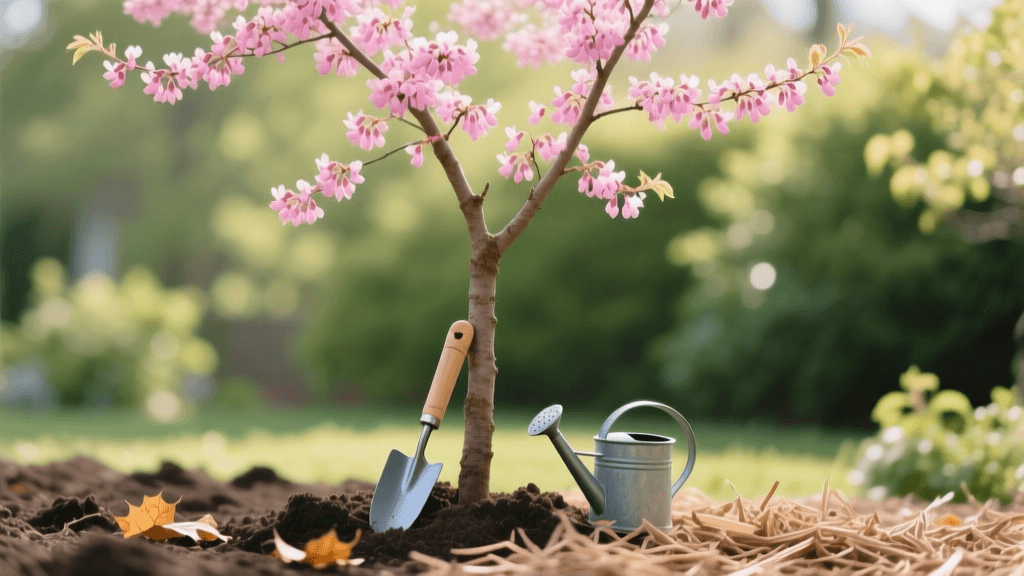
How to Plant and Grow Eastern Redbud Trees for Beginners
Why Choose the Eastern Redbud?
The Eastern Redbud (Cercis canadensis) is a spectacular, deciduous ornamental tree that announces the arrival of spring with a breathtaking display of magenta, pink, or white blossoms. For beginner gardeners and homeowners looking to add year-round visual interest to their landscape without the overwhelming maintenance of larger shade trees, the Eastern Redbud is an unparalleled choice. Reaching a manageable mature height of 20 to 30 feet, this native North American tree fits perfectly into small yards, patio borders, and woodland garden edges.
In this comprehensive, beginner-friendly growing guide, we will walk you through everything you need to know to successfully plant, establish, and maintain a thriving Eastern Redbud tree. From selecting the right cultivar to mastering your first-year watering schedule, you will find actionable advice, exact measurements, and expert-backed tips to ensure your tree flourishes for decades.
Choosing the Right Redbud Cultivar
While the straight species of the Eastern Redbud is beautiful, plant breeders have developed several stunning cultivars that offer unique foliage colors, improved disease resistance, and varied bloom hues. Choosing the right variety is your first step toward a low-maintenance landscape.
| Cultivar Name | Foliage Color | Bloom Color | Best For |
|---|---|---|---|
| Forest Pansy | Deep purple (fades to burgundy) | Rose-purple | Creating striking color contrast against green lawns |
| Appalachian Red | Dark green | Vibrant pink-red | Beginners seeking high disease resistance |
| Hearts of Gold | Bright golden-yellow | Lavender-pink | Brightening up shaded or woodland garden areas |
| Texas White | Glossy dark green | Pure white | Elegant, formal landscapes and moon gardens |
Ideal Planting Conditions and Site Selection
Redbuds are remarkably adaptable, but they thrive when planted in conditions that mimic their natural woodland edge habitats.
Sunlight Requirements
Plant your Eastern Redbud in a location that receives full sun to partial shade. In cooler northern climates (USDA Zones 4-6), full sun (at least six hours of direct sunlight daily) promotes the most prolific spring blooming. In hotter southern regions (USDA Zones 7-9), providing afternoon shade will protect the delicate foliage from scorching and reduce heat stress during the peak of summer.
Soil Preferences
These trees prefer moist, well-draining soil rich in organic matter. They are adaptable to loam, clay, and sandy soils, provided the drainage is adequate. Redbuds do not tolerate "wet feet" or heavily compacted, waterlogged soil, which can quickly lead to root rot. If your yard has heavy clay, amend the planting area with composted pine bark or leaf mold to improve soil structure. The ideal soil pH ranges from slightly acidic to neutral (6.0 to 7.0).
Step-by-Step Planting Instructions
Timing is critical for tree establishment. The absolute best time to plant an Eastern Redbud is in the early fall, allowing the root system to establish before the heat of the following summer. Early spring, just after the ground thaws, is your second-best option.
- Dig the Perfect Hole: Measure the width of the tree's root ball. Dig a hole that is two to three times wider than the root ball, but no deeper. The rough, wide edges of the hole encourage lateral root expansion.
- Locate the Root Flare: This is the most common mistake beginners make. The root flare (where the trunk widens at the base and transitions into roots) must sit slightly above the surrounding soil grade. Planting too deep will suffocate the tree and invite trunk rot.
- Position and Backfill: Gently place the tree in the center of the hole. Backfill with the native soil you just dug out. Avoid adding heavy synthetic fertilizers or rich potting soil directly into the hole, as this can create a "bathtub effect" where water pools around the roots.
- Eliminate Air Pockets: As you backfill, gently tamp the soil with your hands or the heel of your boot. Water the hole halfway through backfilling to help settle the soil and remove hidden air pockets.
- Staking (Only if Necessary): Most Redbuds do not require staking. However, if you live in an exceptionally windy area or purchased a top-heavy 15-gallon specimen, use two flexible tree ties and wooden stakes placed outside the root ball. Remove the stakes after one year.
First-Year Watering and Mulching Schedule
Consistent moisture is the secret to surviving the critical first year. A newly planted Redbud requires about 1 to 1.5 inches of water per week, either from rainfall or supplemental irrigation.
The Soaker Hose Method
Instead of frequent, shallow sprinklings, use a soaker hose coiled around the tree's drip line. Run the hose on a slow trickle for 45 to 60 minutes once or twice a week during the growing season. This encourages deep, drought-resistant root growth. During the winter dormancy period, reduce watering but do not let the root ball completely dry out if there is no snow cover or rainfall.
Proper Mulching Technique
Apply a 2-to-3-inch layer of organic mulch, such as shredded hardwood or pine bark, around the base of the tree. Mulch regulates soil temperature, retains moisture, and suppresses weeds.
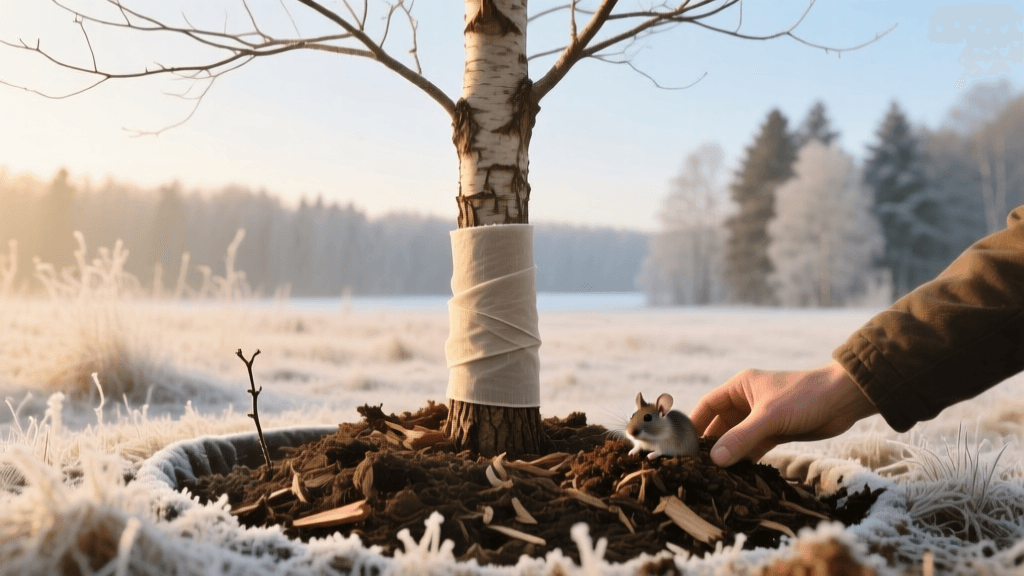
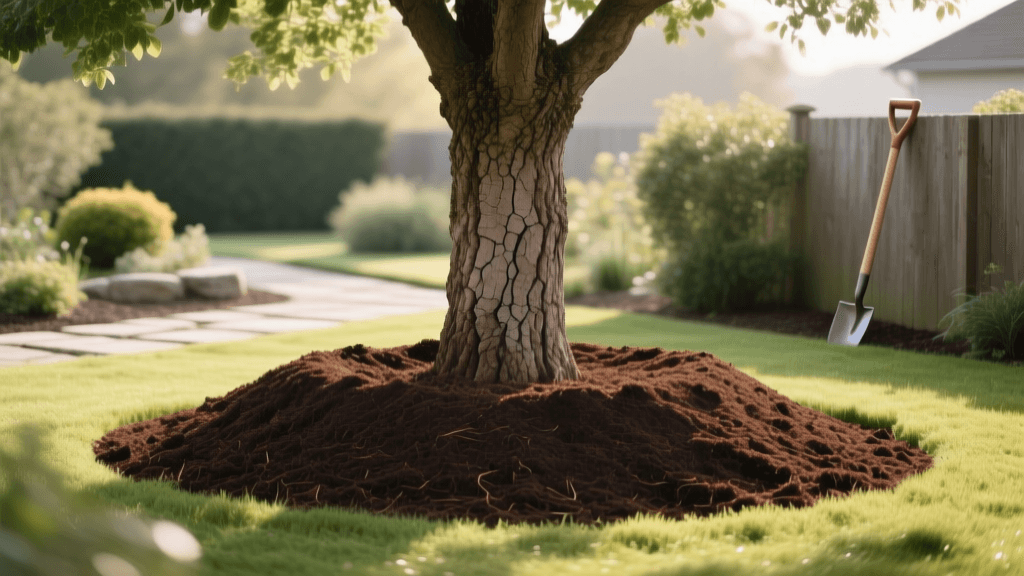
Crucial Warning: Never pile mulch against the tree trunk in a "volcano" shape. Keep the mulch at least three inches away from the trunk to prevent moisture buildup, rodent damage, and fungal infections.
Pruning and Ongoing Maintenance
Eastern Redbuds naturally develop a graceful, multi-trunked or low-branching vase shape. Heavy pruning is rarely needed, but structural training in the first few years prevents future splitting.
- When to Prune: Always prune in late spring or early summer, immediately after the tree finishes blooming. Pruning in late winter or early spring will cause the tree to "bleed" sap profusely, which, while not fatal, is unsightly and stressful for the tree.
- What to Remove: Focus on removing dead, damaged, or crossing branches. Look for narrow, V-shaped crotches (branch unions) which are structurally weak and prone to splitting in winter storms. Favor wide, U-shaped crotches.
- Sterilize Your Tools: Always wipe your pruning shears with a 10% bleach solution or 70% isopropyl alcohol between cuts to prevent the spread of fungal pathogens.
Identifying and Managing Common Pests and Diseases
While generally hardy, Redbuds are susceptible to a few specific issues. According to the Penn State Extension, the most devastating disease affecting Cercis canadensis is Botryosphaeria canker.
Botryosphaeria Canker
This fungal disease typically attacks trees that are already stressed by drought, extreme cold, or physical damage. It causes sunken, dark lesions on the bark, leading to branch dieback.
Management: There is no chemical cure for canker. Prevention is your only defense. Keep the tree adequately watered during dry spells, avoid wounding the trunk with lawnmowers or string trimmers, and immediately prune out infected branches, cutting at least six inches below the visible canker into healthy wood.
Leafhoppers and Caterpillars
You may notice notches on the edges of the heart-shaped leaves caused by leafhoppers or the Red-humped caterpillar. In most cases, this cosmetic damage is temporary and does not threaten the overall health of a mature tree. For severe infestations on young trees, a targeted application of Neem oil or Bacillus thuringiensis (Bt) can safely manage the pest population without harming beneficial pollinators.
Estimated Costs and Budgeting for Beginners
Growing an Eastern Redbud is a cost-effective investment in your property's curb appeal. Here is a realistic breakdown of first-year expenses:
- The Tree: A 5-to-7-gallon container tree (approx. 4-6 feet tall) typically costs between $60 and $120 at local nurseries. Balled-and-burlap specimens (15-gallon) can range from $150 to $300.
- Organic Mulch: A 2-cubic-foot bag of shredded hardwood mulch costs around $4 to $6. You will need 3 to 4 bags for a proper ring.
- Soil Amendments: A bag of composted pine bark or leaf mold for clay soil amendment runs about $8 to $12.
- Tools: If you do not own them, a quality pair of bypass pruning shears ($30) and a soaker hose ($25) are your only major equipment investments.
Final Thoughts
By following this beginner-friendly guide, your Eastern Redbud will reward you with decades of spectacular spring color, elegant architectural branching, and a welcoming habitat for local pollinators and songbirds. Start with the right site, respect the root flare during planting, and maintain consistent moisture, and you will cultivate a stunning landscape centerpiece with minimal stress.