Tree Care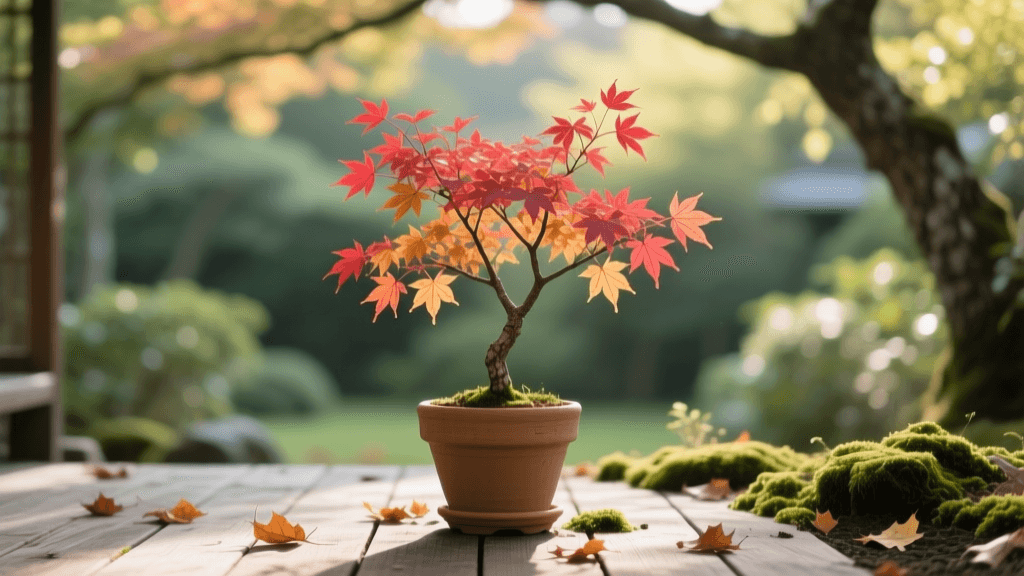
How to Plant and Grow Japanese Maples: A Beginner Guide
Why Choose a Japanese Maple?
Japanese maples (Acer palmatum) are widely considered the crown jewels of the ornamental landscape. For beginners, they offer an unmatched combination of delicate beauty, manageable size, and relatively low maintenance once established. Whether you are looking to create a striking focal point in your front yard, add vibrant autumn color to a garden bed, or cultivate a stunning patio container plant, Japanese maples provide year-round interest. Unlike massive shade trees that require heavy equipment and professional arborists to maintain, most Japanese maples grow slowly and stay within a manageable height of 10 to 25 feet, making them perfect for DIY home gardeners.
Choosing the Right Variety for Your Yard
The term 'Japanese maple' encompasses hundreds of cultivars, but they generally fall into two main categories for home growers: upright varieties and weeping (dissectum) varieties. Upright types tend to grow taller and feature broader leaves, while weeping types boast finely cut, lace-like foliage and a cascading growth habit. Selecting the right variety is crucial for long-term success and minimizing future pruning headaches.
| Cultivar Name | Growth Habit | Mature Size | Fall Foliage Color | Best Landscape Use |
|---|---|---|---|---|
| Bloodgood | Upright, Rounded | 15-20 ft tall | Deep Crimson | Focal points, property borders |
| Crimson Queen | Weeping, Mounding | 8-10 ft tall | Bright Scarlet | Water features, rock gardens |
| Sango-Kaku (Coral Bark) | Upright, Vase-shaped | 20-25 ft tall | Golden Yellow | Winter interest, patio planting |
| Butterfly | Upright, Compact | 12-15 ft tall | Scarlet/Magenta | Small spaces, partial shade beds |
Ideal Site Selection and Soil Preparation
Proper placement is the single most important decision you will make when planting a Japanese maple. These trees are notoriously susceptible to leaf scorch, a condition where the edges of the leaves turn brown and crispy due to excessive heat, wind, or intense sunlight.
Sunlight Requirements
While some red-leafed varieties can tolerate full sun in cooler climates (USDA Zones 5-6), most Japanese maples thrive in dappled sunlight or partial shade. In hotter regions (Zones 7-9), protection from the harsh, late-afternoon sun is absolutely mandatory. An east-facing location that receives gentle morning sun and afternoon shade is ideal.
Soil Testing and Drainage
Japanese maples demand well-draining, slightly acidic soil with a pH between 5.5 and 6.5. Before planting, invest $15 in a reliable home testing kit, such as the Luster Leaf Rapitest Soil Test Kit. If your soil is heavy clay or highly alkaline, you will need to amend it.
- For heavy clay: Do not just amend the planting hole, which can create a 'bathtub effect' that drowns the roots. Instead, plant the tree slightly elevated (2 inches above grade) and mound amended topsoil and compost around the root ball.
- For high pH (alkaline) soil: Apply Espoma Organic Soil Acidifier according to package directions to lower the pH and prevent iron chlorosis (yellowing leaves with green veins).
The Percolation Test
To ensure your soil drains adequately, perform a simple percolation test. Dig a hole 12 inches deep and 12 inches wide. Fill it with water and let it drain completely. Refill it with water and measure how much it drains in one hour. Ideal drainage is between 1 and 3 inches per hour. If it drains slower than 1 inch, consider planting in a raised berm or a large container.
Step-by-Step Planting Instructions
The best time to plant a Japanese maple is in early spring (after the last frost) or early fall (at least 6 weeks before the first hard freeze). Expect to spend between $45 and $120 for a healthy 3-to-5-gallon nursery tree, or up to $300 for a larger balled-and-burlapped (B&B) specimen.
- Measure the Root Ball: Measure the height and width of the nursery pot or root ball. This dictates the size of your hole.
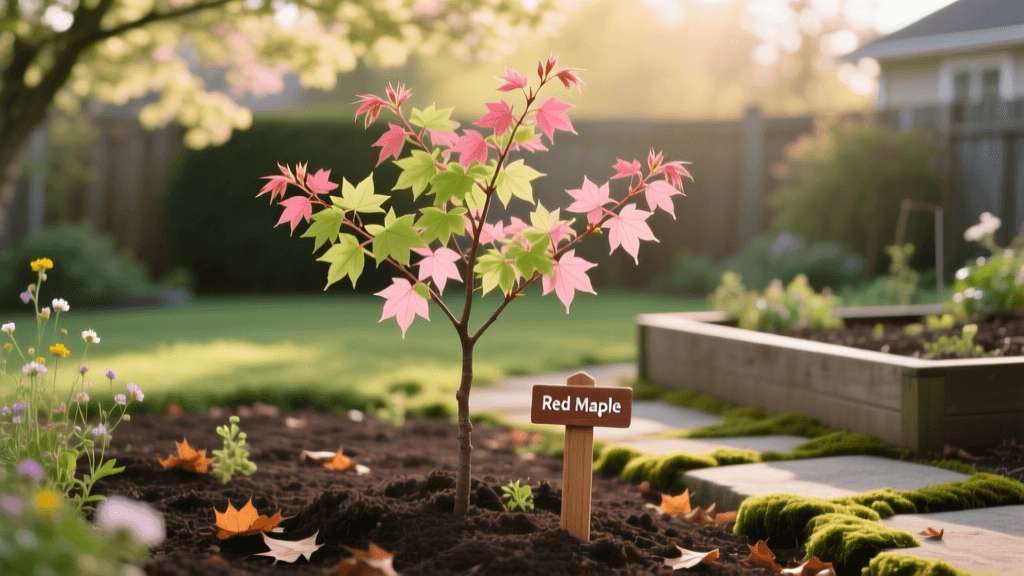
- Dig the Hole: Dig a hole that is 2 to 3 times wider than the root ball, but no deeper than the root ball itself. Planting too deep is a leading cause of tree death.
- Locate the Root Flare: Gently brush away the top layer of soil from the nursery pot to expose the root flare (the point where the trunk widens at the base). This flare must sit slightly above the surrounding soil grade.
- Position the Tree: Place the tree in the center of the hole. Turn it so the most attractive side faces your primary viewing angle.
- Backfill: Fill the hole with the native soil you just dug out. Avoid adding heavy fertilizers or rich potting soil directly into the hole, as this can discourage roots from expanding into the native earth.
- Water Thoroughly: Use a garden hose to slowly fill the hole with water, eliminating large air pockets. Let it settle, then add more soil if necessary.
Watering and Mulching Best Practices
Newly planted Japanese maples have shallow root systems and require consistent moisture to establish.
The Watering Schedule
During the first two growing seasons, provide 1 to 2 inches of water per week. Use a rain gauge to track natural precipitation and supplement with a slow, deep soaking from a garden hose or drip irrigation system. Avoid overhead watering, which can promote fungal foliar diseases.
The 3-Inch Mulching Rule
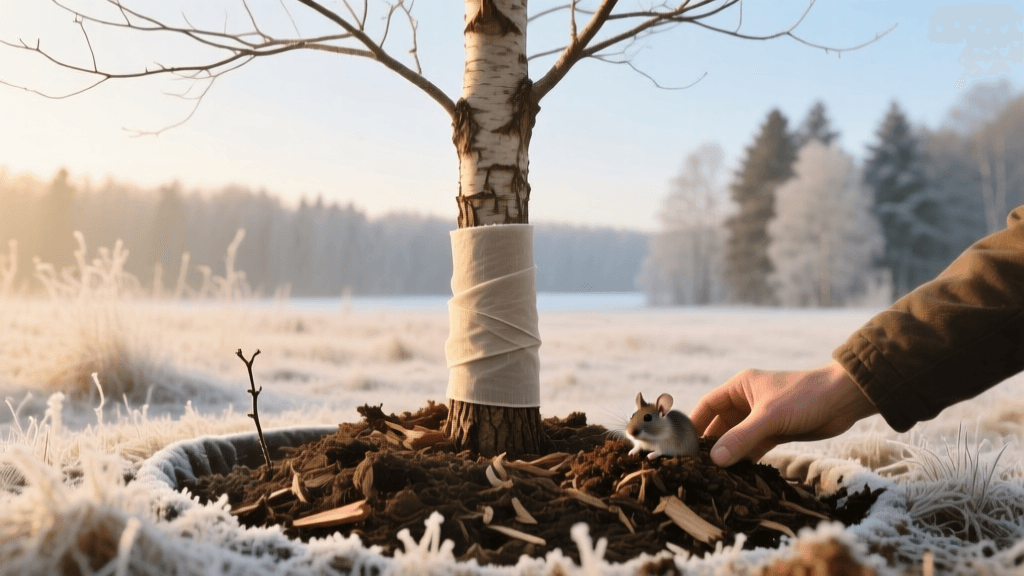
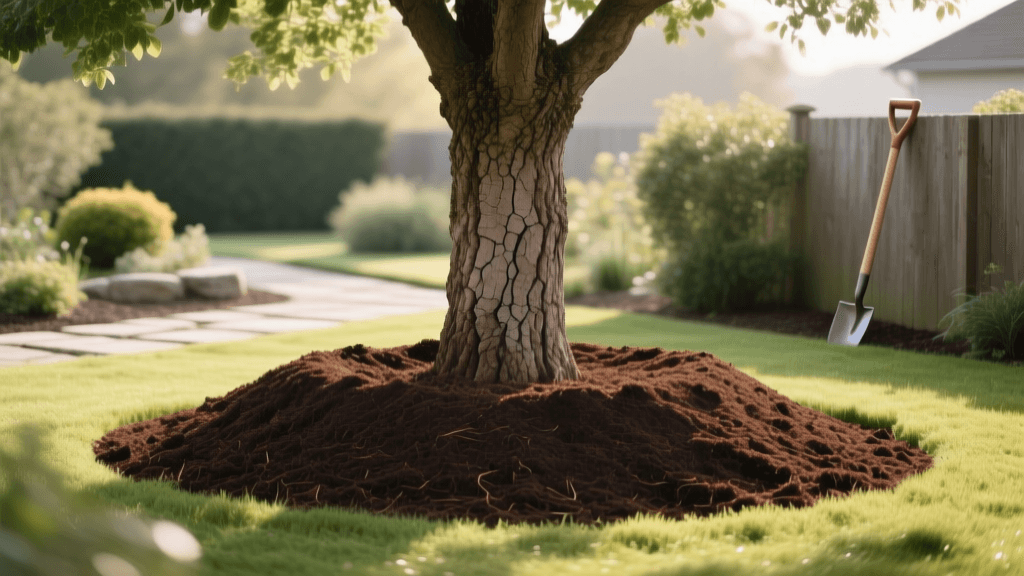
Mulch is non-negotiable for Japanese maples. It regulates soil temperature, retains moisture, and suppresses weeds. Apply a 2 to 3-inch layer of organic mulch, such as shredded pine bark or arborist wood chips, in a 3-foot radius around the tree. Crucial Warning: Keep the mulch at least 3 inches away from the actual trunk of the tree. Piling mulch against the bark (known as 'volcano mulching') invites rot, rodent damage, and girdling roots.
Pruning and Seasonal Maintenance
One of the greatest benefits of Japanese maples is their naturally elegant architecture. Over-pruning is a common beginner mistake. These trees require very little pruning to maintain their shape.
When and How to Prune
The optimal time for structural pruning is in late winter (February), while the tree is fully dormant and before the spring sap flow begins. Pruning in late spring or summer can cause the tree to 'bleed' sap excessively, stressing the plant.
- Tools: Use sharp, high-quality bypass pruners (like the Felco F-2) for branches under 1/2 inch, and a fine-toothed pruning saw for thicker limbs.
- Sanitation: Always wipe your blades with 70% isopropyl alcohol between cuts to prevent the spread of disease.
- What to Cut: Focus on the 'Three Ds': Dead, Damaged, or Diseased wood. Next, remove any crossing branches that rub against each other, and thin out the center canopy to allow light and air circulation.
Troubleshooting Common Pests and Diseases
While generally hardy, Japanese maples can fall victim to a few specific issues.
Aphids
These tiny, sap-sucking insects often congregate on new spring growth, causing leaves to curl and excrete a sticky 'honeydew' that attracts sooty mold. Solution: Blast them off with a strong jet of water from your hose, or apply an organic insecticidal soap or Neem oil extract (costing around $10-$15 per bottle) in the early evening to avoid leaf burn.
Verticillium Wilt
This is a devastating soil-borne fungal disease that causes sudden wilting and dieback of individual branches, often on one side of the tree. Solution: There is no chemical cure. Prevention is the only strategy. Ensure impeccable soil drainage, avoid planting in areas where tomatoes or potatoes have previously grown, and water deeply during droughts to reduce tree stress.
Tar Spot
Tar spot appears as unsightly black, raised spots on the leaves in late summer. While it looks alarming, it is primarily a cosmetic issue that rarely harms the overall health of the tree. Solution: Rake up and destroy all fallen leaves in autumn to remove the fungal spores from the garden environment.
Expert Insights on Japanese Maple Care
To ensure our guide aligns with the highest horticultural standards, we look to leading agricultural institutions for best practices regarding soil and light requirements.
'Japanese maples prefer a well-drained, acidic soil high in organic matter... Protection from late afternoon sun is crucial to prevent leaf scorch. If a tree is planted in a heavy clay soil, it is best to plant it slightly above grade and mound soil around the root ball to ensure proper drainage and prevent root rot.'
— Clemson University Cooperative Extension Service (HGIC 1016: Japanese Maple)
Final Thoughts for Beginners
Growing a Japanese maple is a rewarding endeavor that pays dividends in seasonal beauty. By prioritizing proper site selection, respecting the root flare during planting, and adhering to a consistent mulching and watering regimen, even novice gardeners can cultivate a thriving, picturesque specimen. Start with a resilient cultivar like 'Bloodgood' or 'Coral Bark', invest time in preparing your soil, and let nature do the rest. Your Japanese maple will soon become the most talked-about feature in your landscape.