Tree Care
Beginner's Guide to Planting and Growing Japanese Maples
Why Choose a Japanese Maple?
Japanese maples (Acer palmatum) are widely considered the crown jewels of the ornamental landscape. For beginners, they offer a forgiving yet deeply rewarding gardening experience. Unlike massive shade trees that require heavy equipment or complex pruning regimens, Japanese maples grow slowly, stay relatively compact, and provide year-round visual interest. From the vibrant crimson reds of spring to the fiery oranges of autumn and the striking architectural bark in winter, these trees deliver maximum impact with minimal square footage. Whether you have a sprawling suburban lawn or a modest urban courtyard, understanding the foundational requirements of planting and growing a Japanese maple will ensure your tree thrives for decades.
Selecting the Right Cultivar for Your Space
Before breaking ground, you must choose a variety that fits your microclimate and spatial constraints. Japanese maples generally fall into two categories: upright growers and weeping (laceleaf) varieties. Upright trees can reach 15 to 25 feet, while weeping forms typically stay under 8 feet tall but spread wide. Here is a comparison of popular beginner-friendly cultivars, including average nursery costs for a standard 5-gallon specimen:
| Cultivar | Growth Habit | Mature Size | Foliage Color | Average Cost |
|---|---|---|---|---|
| Bloodgood | Upright | 15-20 ft tall | Deep burgundy red | $80 - $130 |
| Crimson Queen | Weeping | 8-10 ft tall | Bright crimson | $100 - $160 |
| Sango Kaku (Coral Bark) | Upright | 20-25 ft tall | Light green / Red twigs | $120 - $180 |
| Tamukeyama | Weeping | 6-8 ft tall | Purple-red | $90 - $140 |
Site Selection: Sunlight and Soil Requirements
The most common mistake beginners make is planting Japanese maples in full, scorching afternoon sun. While these trees need light to produce vibrant fall colors, their delicate leaves are highly susceptible to sunscald. The ideal location receives dappled morning sunlight and is protected by shade during the intense heat of the late afternoon. If you live in USDA Hardiness Zones 5 through 8, morning sun with afternoon shade is non-negotiable for laceleaf varieties.
Soil drainage is equally critical. Japanese maples despise 'wet feet' and will quickly succumb to root rot in heavy, compacted clay. You need well-draining, loamy soil with a slightly acidic pH between 5.5 and 6.5. If your native soil is heavy clay, consider planting the tree on a slight mound or berm to elevate the root crown above standing water, or amend the planting zone heavily with organic matter like pine bark fines and compost.
Step-by-Step Planting Guide
Timing is everything. Plant your Japanese maple in early spring after the last frost, or in early fall at least six weeks before the ground freezes. This allows the root system to establish before extreme temperatures hit. Follow these actionable steps for a successful planting:
Step 1: Dig the Proper Hole
Measure the height and width of the nursery container. Dig a hole that is exactly the same depth as the root ball, but two to three times as wide. This wide, shallow hole encourages lateral root expansion. Do not dig deeper than the root ball; planting too deep is a primary cause of tree mortality.
Step 2: Prepare the Root Ball
Gently remove the tree from its plastic nursery pot. If the roots are circling tightly around the perimeter, use a sterilized hand saw or pruning shears to make four vertical slices (about one inch deep) down the sides of the root ball. This breaks the circling habit and stimulates outward growth.
Step 3: Backfill and Water
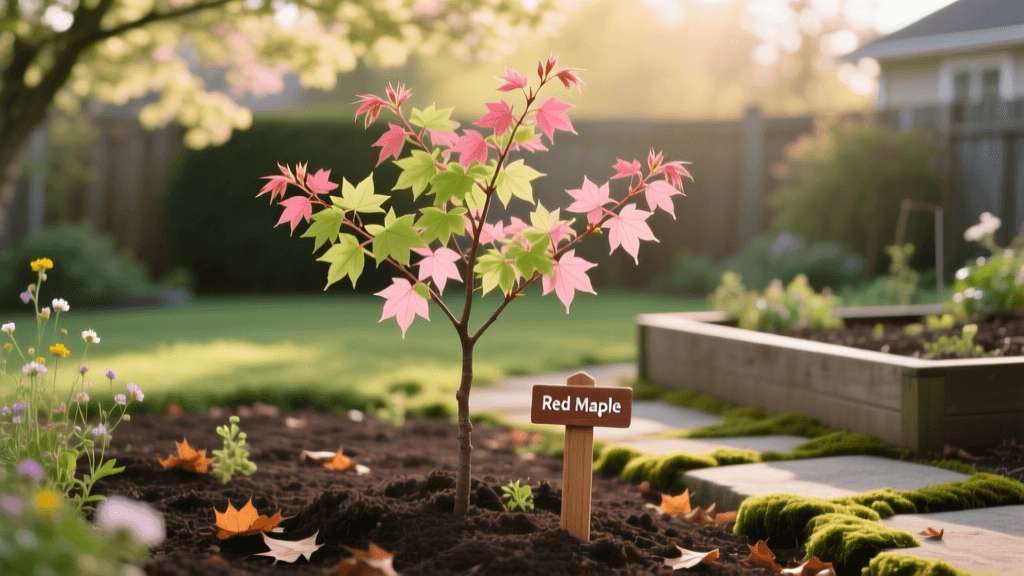
Place the tree in the center of the hole. The root flare (where the trunk widens at the base) must sit one to two inches above the surrounding soil grade to account for settling. Backfill with the native soil you removed, mixing in no more than 20% organic compost. Avoid heavy synthetic fertilizers at this stage, as they can burn tender new roots. Tamp the soil gently with your hands to remove large air pockets, and immediately water the planting zone with 10 to 15 gallons of water to settle the soil.
Watering and Mulching Routine
Newly planted Japanese maples require consistent moisture. During the first two growing seasons, provide 1.5 to 2 inches of water per week. Use a soaker hose or a slow-drip irrigation system rather than an overhead sprinkler, which can promote fungal foliar diseases. Check soil moisture by inserting your finger three inches into the dirt near the drip line; if it feels dry, it is time to water.
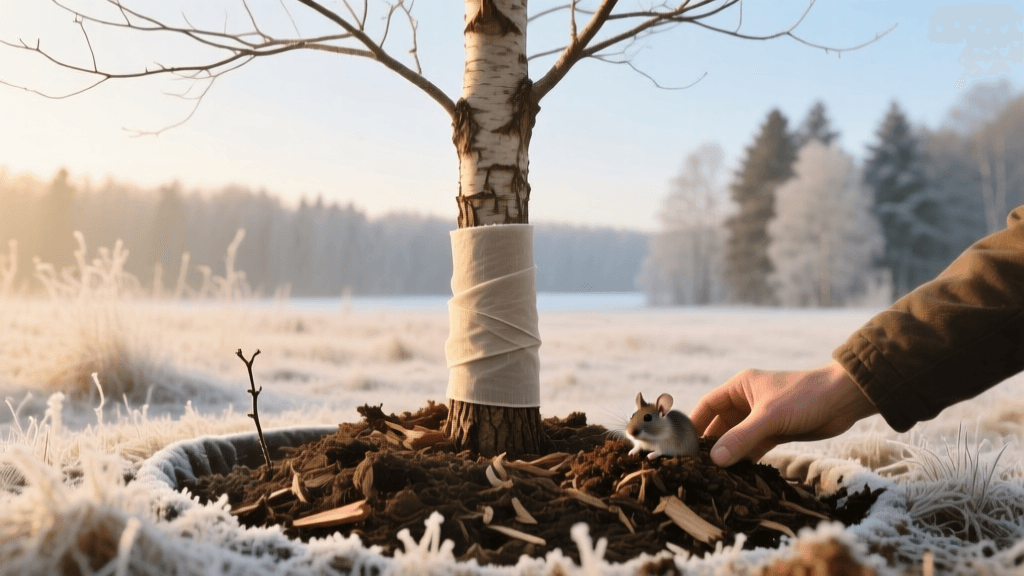
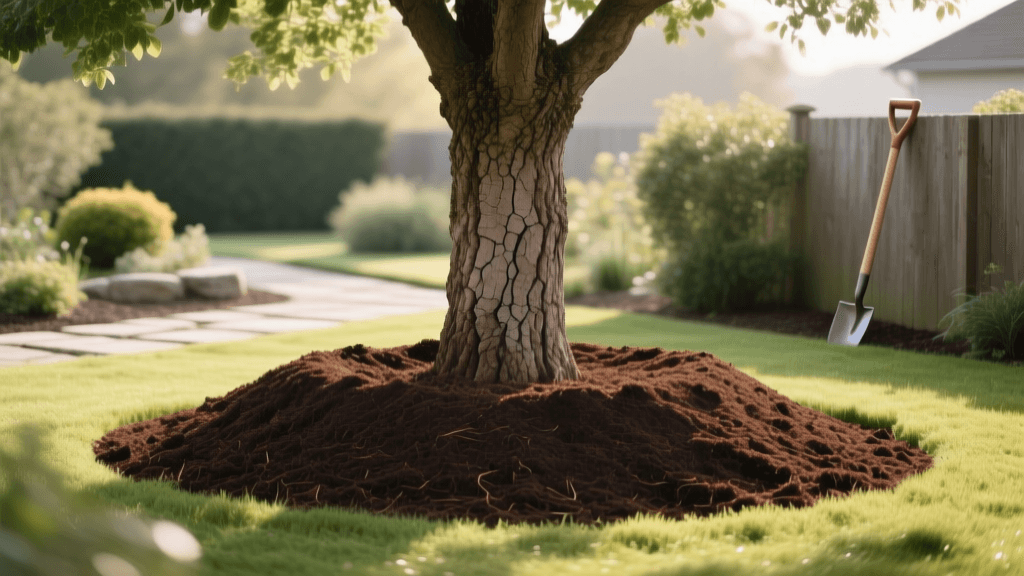
Mulching is vital for moisture retention and temperature regulation. Apply a 2 to 3-inch layer of organic mulch, such as shredded pine bark or leaf mold, over the root zone. Crucially, keep the mulch at least 3 inches away from the trunk itself. 'Volcano mulching' traps moisture against the bark, inviting rot and rodent damage.
Fertilizing and Pruning Basics
Japanese maples are light feeders. Over-fertilizing leads to weak, leggy growth and dull foliage color. Wait until the tree has completed its first full year in the ground before applying any fertilizer. In early spring, just as buds begin to swell, apply a slow-release, organic granular fertilizer formulated for acid-loving trees, such as Espoma Tree-tone (6-3-2) or Holly-tone. Apply approximately one cup per inch of trunk diameter, scattering it evenly under the drip line and watering it in thoroughly.
Pruning should be minimal and purposeful. The best time to prune is in late winter while the tree is fully dormant, which prevents sap bleeding and allows you to see the branch structure clearly. Focus on removing dead, diseased, or crossing branches. For weeping varieties, thin out the interior canopy to allow air circulation, which reduces the risk of fungal issues. Never use hedge shears; always make clean, angled cuts just outside the branch collar using sterilized bypass pruners.
Troubleshooting Common Pests and Diseases
While generally robust, Japanese maples can face a few specific threats. Japanese beetles may skeletonize the leaves in mid-summer. For small infestations, hand-pick the beetles in the early morning and drop them into a bucket of soapy water. For heavier outbreaks, apply a neem oil spray or a spinosad-based organic insecticide in the evening to protect pollinators.
Verticillium wilt is a soil-borne fungal disease that causes sudden wilting and dieback of individual branches. Unfortunately, there is no chemical cure. Prevention is your only defense: ensure perfect drainage, avoid planting in areas where tomatoes or potatoes have previously grown, and sterilize your pruning tools with a 10% bleach solution between cuts. If a branch is infected, prune it back to healthy, green wood immediately and dispose of the clippings in the trash, not the compost pile.
Expert Insights for Long-Term Success
Establishing a Japanese maple is a lesson in patience. To summarize the core requirements for long-term vitality, we look to university research. According to the Clemson University Cooperative Extension Home and Garden Information Center, 'Japanese maples prefer a soil pH between 5.5 and 6.5 and require consistent moisture, especially during their first two years of establishment. Mulching is highly recommended to keep roots cool and moist during summer heat.' By adhering to these science-backed guidelines, avoiding the temptation to over-fertilize, and respecting the tree's need for afternoon shade, even a novice gardener can cultivate a breathtaking landscape centerpiece that matures gracefully over a lifetime.