Tree Care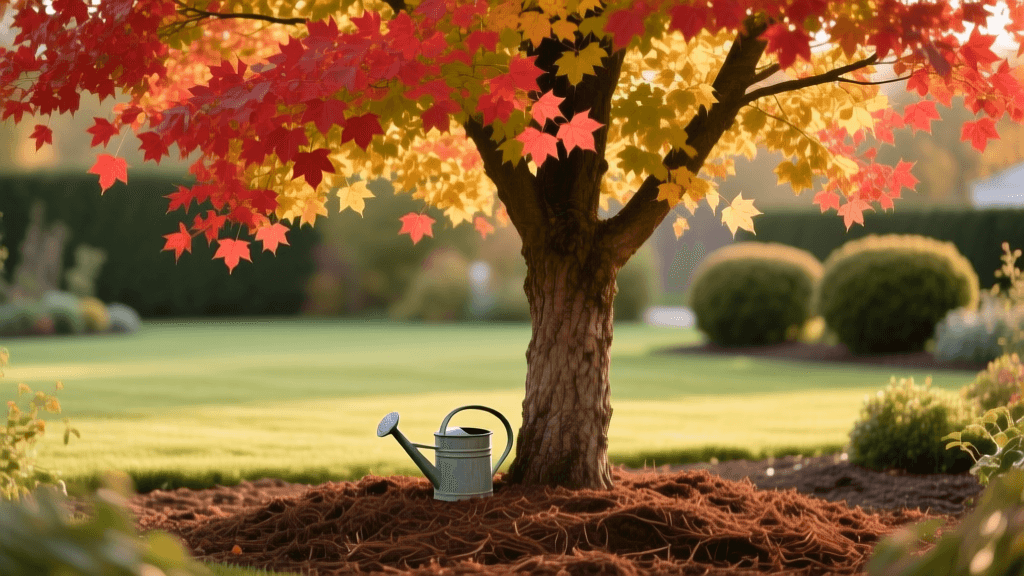
How to Plant and Grow a Red Maple Tree: Beginner Guide
Introduction to the Red Maple
The Red Maple (Acer rubrum) is one of the most popular deciduous trees in North America, celebrated for its brilliant autumn foliage, rapid growth rate, and adaptability to various soil types. For beginner gardeners and homeowners looking to establish long-lasting shade and vibrant seasonal color, the Red Maple is an exceptional choice. This comprehensive, beginner-friendly growing guide will walk you through everything from selecting the right cultivar to mastering the essential watering and mulching techniques required for a thriving tree.
Selecting the Right Cultivar
While the species Acer rubrum is beautiful, nurseries often sell specific cultivars bred for superior fall color, disease resistance, and predictable growth habits. Expect to pay between $80 and $150 for a healthy 7-gallon container tree, or $150 to $300 for a larger Balled-and-Burlapped (B&B) specimen with a 2-inch caliper trunk.
| Cultivar | Mature Height | Fall Color | Best Feature |
|---|---|---|---|
| October Glory | 40-50 ft | Brilliant Red to Purple | Holds leaves late into autumn |
| Red Sunset | 40-50 ft | Intense Orange-Red | Superior heat tolerance and early color |
| Autumn Flame | 40-60 ft | Bright Scarlet | Fastest growing with a dense, rounded canopy |
Pre-Planting Preparation
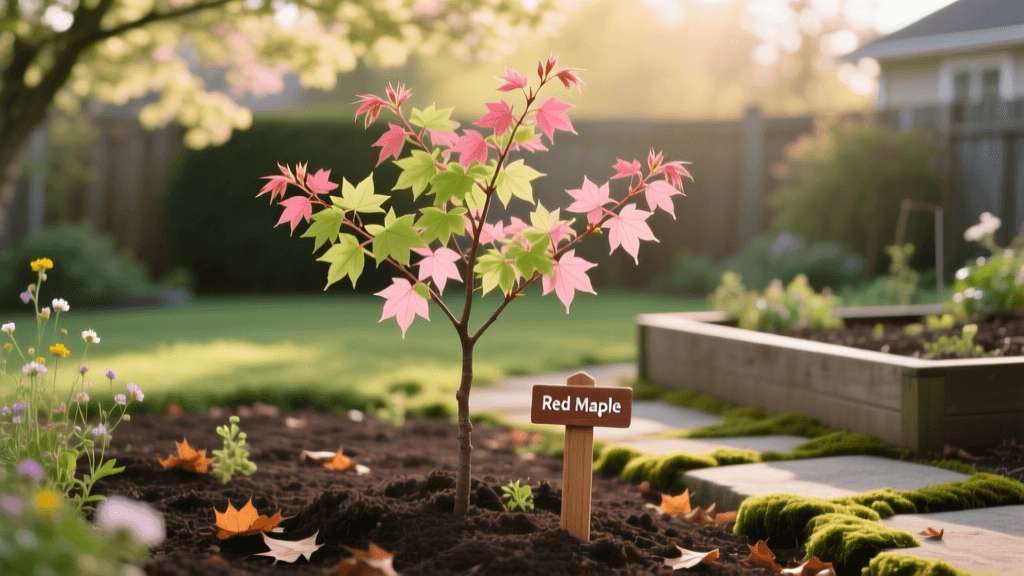
Timing is critical when planting a new tree. The optimal window for planting a Red Maple is in the early fall, roughly six weeks before the ground freezes. This allows the root system to establish without the stress of supporting summer foliage. Spring planting is the second-best option, provided you commit to rigorous summer watering.
Red Maples prefer slightly acidic, moist, and well-draining soil with a pH between 4.5 and 6.5. Before digging, call your local utility locating service (often 811 in the United States) to ensure you are not digging into underground gas, water, or electrical lines. Choose a planting site that receives full sun to partial shade, keeping in mind the tree's mature canopy spread of 30 to 40 feet. Ensure the planting location is at least 15 feet away from your home's foundation and clear of overhead power lines.
Step-by-Step Planting Instructions
Proper planting depth is the single most important factor in tree survival. Planting too deep is a leading cause of transplant mortality.
- Locate the Root Flare: Brush away soil from the top of the root ball until you find the root flare—the point where the trunk widens and transitions into roots. This flare must remain slightly above the surrounding soil grade.
- Dig the Hole: Dig a hole that is two to three times wider than the root ball, but no deeper than the root ball itself. For a standard 15-inch root ball, dig a hole roughly 36 inches wide and 14 inches deep. The shallow, wide hole encourages lateral root growth.
- Position the Tree: Carefully lower the tree into the hole. If it is in a plastic container, cut the pot away rather than pulling the tree out by the trunk. If B&B, cut away the wire basket and burlap once the tree is resting in the hole.
- Backfill: Use the native soil you just dug out to backfill the hole. Do not amend the backfill with heavy compost or potting soil, as this can create a 'bathtub effect' where water pools in the loose soil and rots the roots. Tamp the soil gently with your hands to remove large air pockets.
- Water In: Immediately water the newly planted tree deeply to settle the soil.
The 3-3-3 Mulching Rule
Mulching retains soil moisture, regulates temperature, and suppresses weeds. However, improper mulching can kill a Red Maple. Always follow the industry-standard 3-3-3 rule:
- 3 Inches Deep: Apply a layer of organic mulch, such as shredded hardwood bark or pine straw, no deeper than 3 inches.
- 3 Feet Wide: Create a mulch ring that extends at least 3 feet in diameter from the trunk. As the tree grows, expand this ring to the drip line.
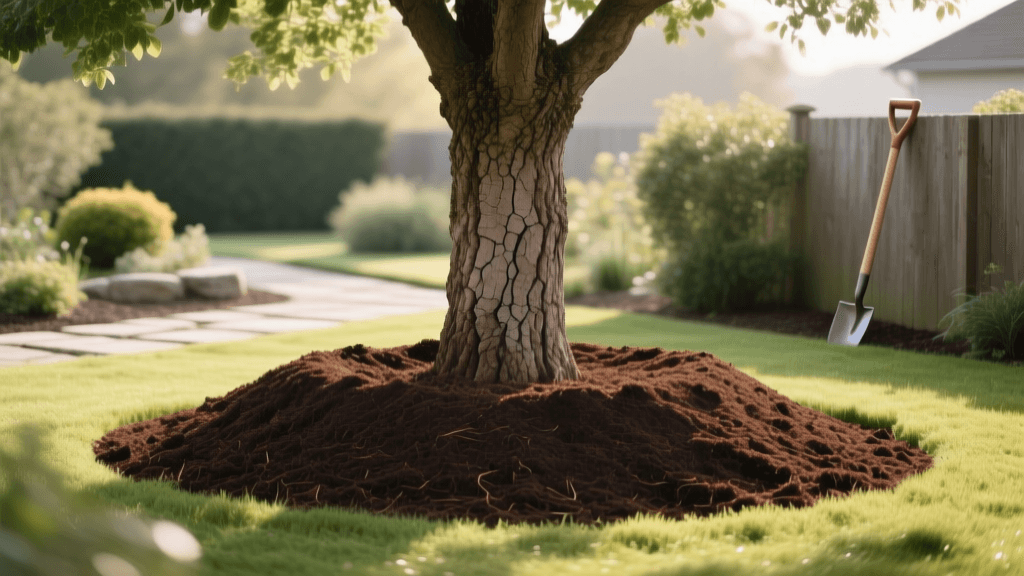
- 3 Inches Away: Keep the mulch at least 3 inches away from the actual tree trunk. Never pile mulch against the bark (a practice known as 'volcano mulching'), as this traps moisture, invites fungal pathogens, and encourages girdling roots.
First-Year Watering Schedule
Newly planted Red Maples have restricted root systems and require consistent moisture. A good rule of thumb is to provide 1.5 gallons of water per inch of trunk caliper diameter per watering session. For a 2-inch caliper tree, apply 3 gallons of water.
Invest in a slow-release watering bag, such as the Treegator (retailing around $25). These bags wrap around the trunk and release water directly to the root zone over 5 to 9 hours, preventing runoff and ensuring deep soil penetration. During the first growing season, water your tree twice a week in the absence of rainfall. Reduce watering in the late fall as the tree enters dormancy.
Fertilizing and Pruning Basics
Red Maples generally do not require heavy fertilization, especially if planted in a lawn that receives regular turf fertilizer. If a soil test indicates a nutrient deficiency, apply a balanced, slow-release granular fertilizer (like a 10-10-10 NPK ratio) in early spring just before bud break. Avoid fertilizing in late summer, as this stimulates tender new growth that will be damaged by early winter frosts.
Pruning should be minimal during the first three years, restricted only to removing dead, damaged, or crossing branches. If structural pruning is necessary to establish a strong central leader, perform this task in late winter while the tree is fully dormant. Pruning in late winter prevents the excessive 'bleeding' of sap that occurs if you prune Maples in early spring.
Troubleshooting Common Pests and Diseases
While resilient, Red Maples can fall victim to specific environmental stresses and pests:
- Leafhopper Damage (Hopperburn): These tiny insects feed on leaf sap, causing the leaf margins to turn brown and crisp. Control is rarely necessary unless the tree is severely stressed; encouraging natural predators like ladybugs is usually sufficient.
- Verticillium Wilt: A soil-borne fungus that blocks the tree's vascular system, causing sudden wilting and dieback on one side of the canopy. There is no chemical cure. Prevention is key: ensure excellent soil drainage and avoid planting in areas where previous susceptible plants have died from this disease.
- Chlorosis: If your Red Maple's leaves turn pale yellow while the veins remain green, it is likely suffering from iron or manganese chlorosis, often triggered by high soil pH (alkaline soil). Lower the soil pH using elemental sulfur or apply chelated iron supplements to restore vibrant green foliage.
Seasonal Care Calendar for Year One
Spring: Inspect for winter damage. Apply a 2-inch layer of fresh mulch if the winter layer has decomposed. Monitor for aphids on new growth. Apply horticultural oil if infestations are severe.
Summer: Focus heavily on deep watering. Check soil moisture by inserting a screwdriver into the soil; if it resists penetration past 3 inches, it is time to water. Keep lawn mowers and string trimmers away from the trunk to prevent 'mower blight' and bark damage.
Fall: Reduce watering frequency as temperatures drop. This is the ideal time to plant new trees or transplant existing ones. Enjoy the spectacular foliage display!
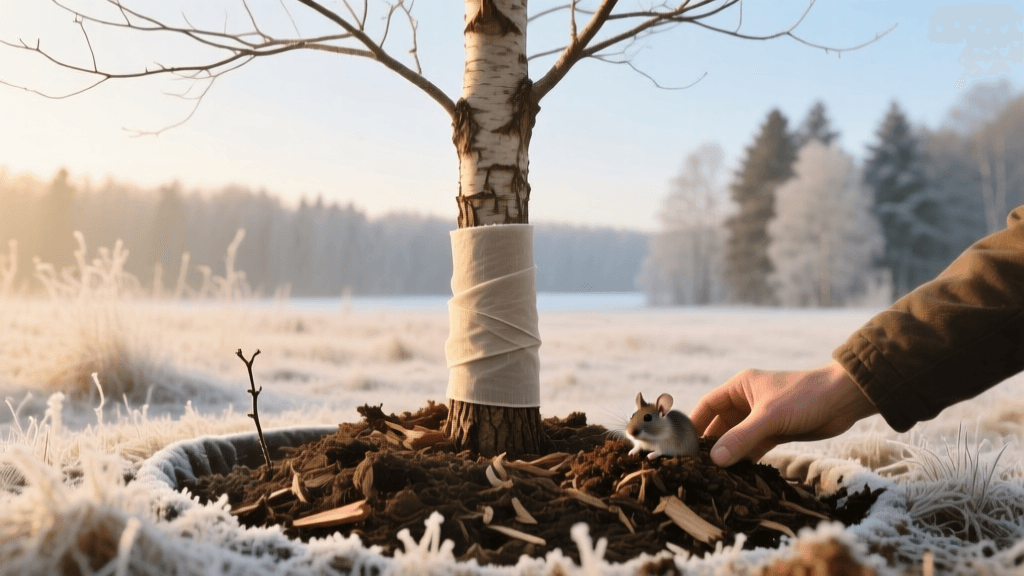
Winter: Protect the thin bark of young Red Maples from sunscald and frost cracks by wrapping the lower trunk with a white, reflective tree guard (costing roughly $10-$15). Remove the guard in early spring to prevent moisture buildup and pest harboring.
Expert Insights and Authoritative Guidance
Proper planting depth cannot be overstated in horticultural science. According to the Clemson University Cooperative Extension Service, 'Planting too deep is one of the most common and lethal mistakes made by homeowners. The root flare must be visible at the soil surface to allow for proper gas exchange and to prevent stem girdling roots.' By adhering to university-backed planting guidelines and maintaining a consistent watering regimen, even novice gardeners can successfully cultivate a magnificent Red Maple that will provide decades of spectacular autumn color and cooling shade.