Tree Care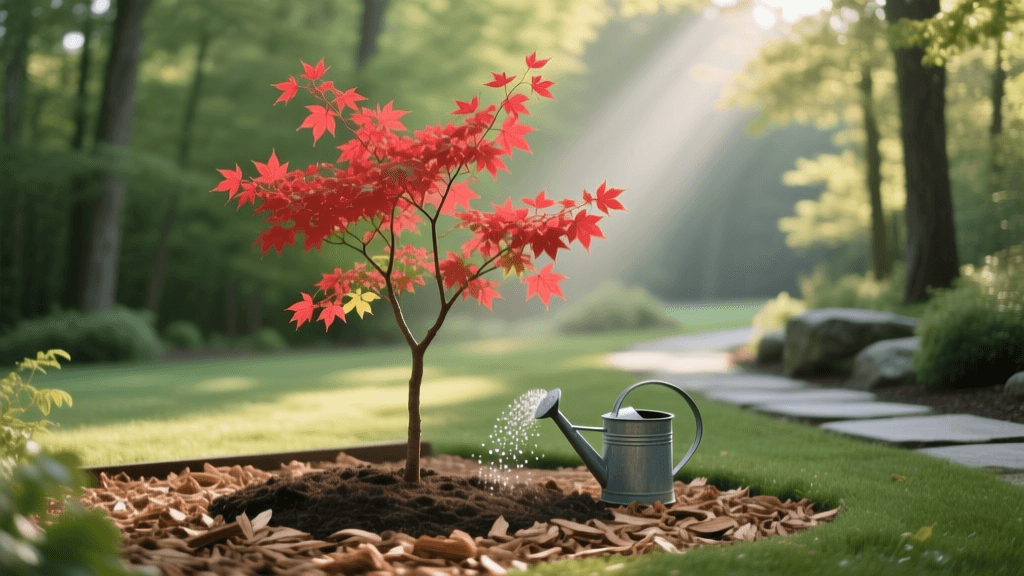
How to Plant and Grow a Red Maple Tree: A Beginner Guide
Why Choose a Red Maple for Your Landscape?
The red maple (Acer rubrum) is one of the most popular and recognizable deciduous trees in North America. Beloved for its brilliant crimson fall foliage, rapid growth rate, and adaptability, it serves as an excellent shade tree for residential lawns and gardens. For beginners, the red maple is a forgiving and rewarding choice, provided it is planted correctly and given the right foundational care during its first few years of establishment.
Native to the eastern and central United States and Canada, red maples thrive in USDA Hardiness Zones 3 through 9. They are incredibly versatile, tolerating everything from wet, poorly drained soils to drier, more upland conditions. Beyond their aesthetic appeal, these trees provide crucial ecological benefits, offering early spring pollen for bees and seeds that feed local bird populations. If you are looking to add a stunning, low-maintenance focal point to your yard, this beginner-friendly growing guide will walk you through everything you need to know to successfully plant and nurture a red maple tree.
Comparing Popular Red Maple Cultivars
While the straight species of Acer rubrum is beautiful, nurseries often sell specific cultivars bred for superior fall color, disease resistance, and predictable growth habits. Choosing the right cultivar for your specific yard size and climate is the first step to success. Below is a comparison chart of the most common red maple varieties found in garden centers.
| Cultivar | Mature Height | Mature Spread | Fall Color Timing | Best Use Case |
|---|---|---|---|---|
| October Glory | 40-50 feet | 25-35 feet | Late Autumn | Large lawns; reliable deep red color |
| Red Sunset | 45-50 feet | 30-40 feet | Early Autumn | Street trees; vibrant orange-red hues |
| Autumn Flame | 30-40 feet | 30-40 feet | Mid Autumn | Smaller yards; dense, round canopy |
| Brandywine | 35-45 feet | 20-30 feet | Late Autumn | Narrow spaces; heat and leafhopper resistance |
Cost Expectation: A 5-gallon container tree (typically 4 to 6 feet tall) will cost between $60 and $110. A larger 15-gallon container or a balled-and-burlapped (B&B) specimen (8 to 12 feet tall) usually ranges from $180 to $350, depending on your region and the nursery.
Site Selection and Soil Preparation
Red maples are adaptable, but they perform best in full sun to partial shade. Aim for a location that receives at least six hours of direct sunlight daily to ensure the most vibrant fall coloration. When selecting a planting site, look up and look down. Ensure the tree is planted at least 15 to 20 feet away from your home's foundation, driveways, and sidewalks, as the shallow surface roots of mature maples can eventually heave pavement.
Soil pH is a critical factor for red maples. They prefer slightly acidic to neutral soil, with a pH between 4.5 and 6.5. If your soil is highly alkaline (pH above 7.0), the tree may suffer from manganese chlorosis, a condition where the leaves turn pale yellow while the veins remain green. You can purchase a basic soil test kit from your local garden center for about $15 to $25. If your soil is too alkaline, you can lower the pH by incorporating elemental sulfur or peat moss into the planting area, though it is often easier to simply choose a different tree species if your soil is heavily chalky.
Step-by-Step Planting Instructions
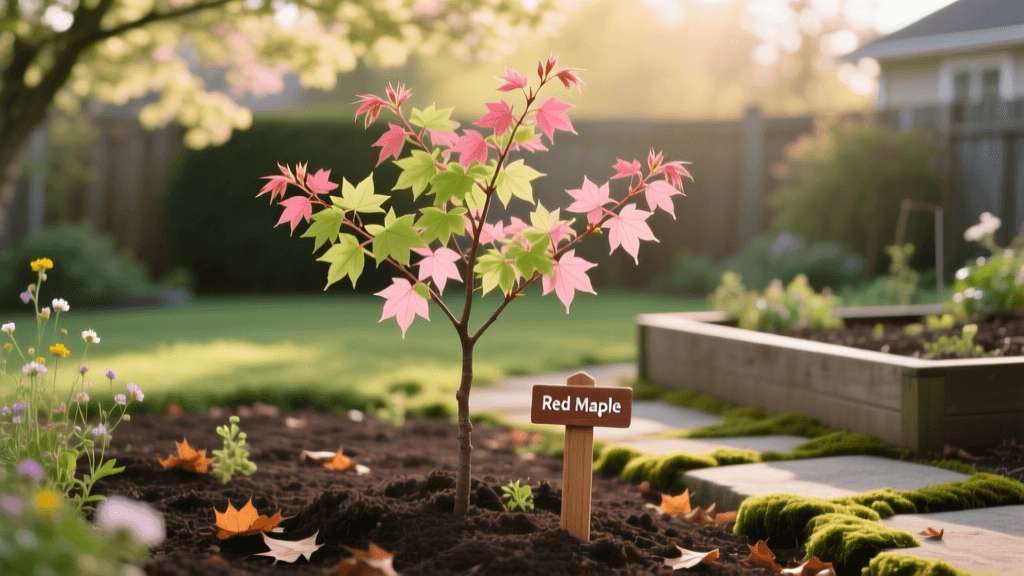
Proper planting is the most important factor in the long-term health of your tree. The best time to plant a red maple is in the early spring after the ground has thawed, or in the early fall, at least six weeks before the first hard frost. Follow these actionable steps to ensure your tree gets off to a strong start:
- Step 1: Call Before You Dig. Always dial 811 (in the US) a few days before digging to have utility lines marked. This is a free service and prevents dangerous and costly accidents.
- Step 2: Dig the Right Hole. Dig a hole that is two to three times wider than the tree's root ball, but no deeper. The width encourages lateral root growth, while the correct depth prevents the tree from sinking.
- Step 3: Locate the Root Flare. The root flare is the point where the trunk widens and transitions into the roots. This flare must be visible and sit slightly above the surrounding soil grade. Planting a tree too deep is the number one cause of premature tree death.
- Step 4: Position and Backfill. Gently place the tree in the center of the hole. If it is in a container, carefully tease out any circling roots with your fingers. Backfill the hole with the native soil you just dug out. Avoid adding heavy compost or fertilizer to the backfill, as this can create a 'pot effect' where roots refuse to expand into the surrounding native earth.
- Step 5: Water and Settle. As you backfill, periodically step on the soil gently to remove large air pockets. Once the hole is filled, water the tree deeply with 10 to 15 gallons of water to settle the soil around the roots.
Post-Planting Care: Watering and Mulching
Newly planted red maples require consistent moisture to establish their root systems. During the first two growing seasons, your tree will need approximately 10 to 15 gallons of water per week, either from rainfall or manual irrigation. For beginners, investing in a slow-release tree watering bag (such as a Treegator, which costs around $25) is highly recommended. You simply zip it around the base of the trunk, fill it with a hose, and it slowly drips water directly into the root zone over 5 to 9 hours, preventing runoff and ensuring deep soil penetration.
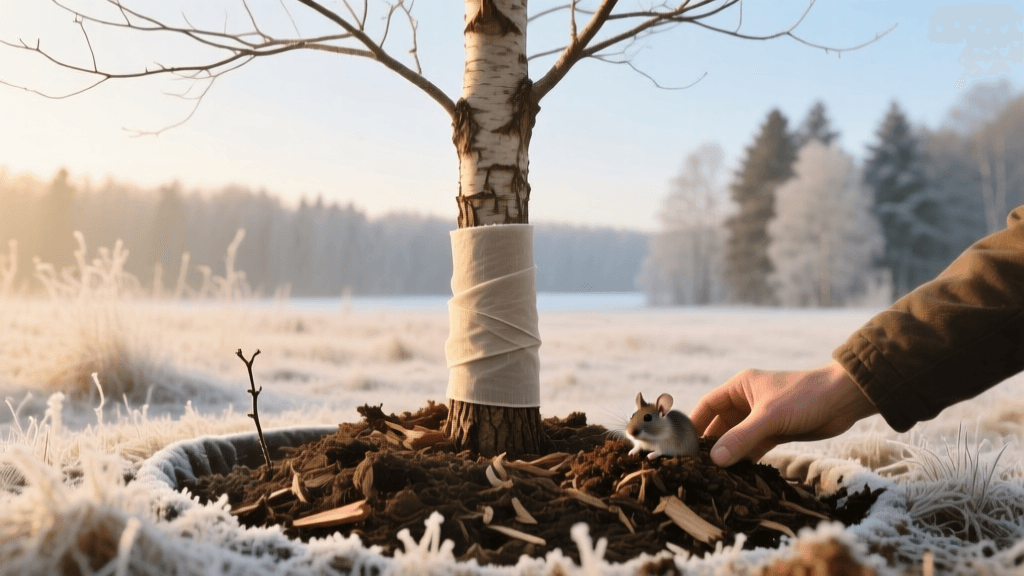
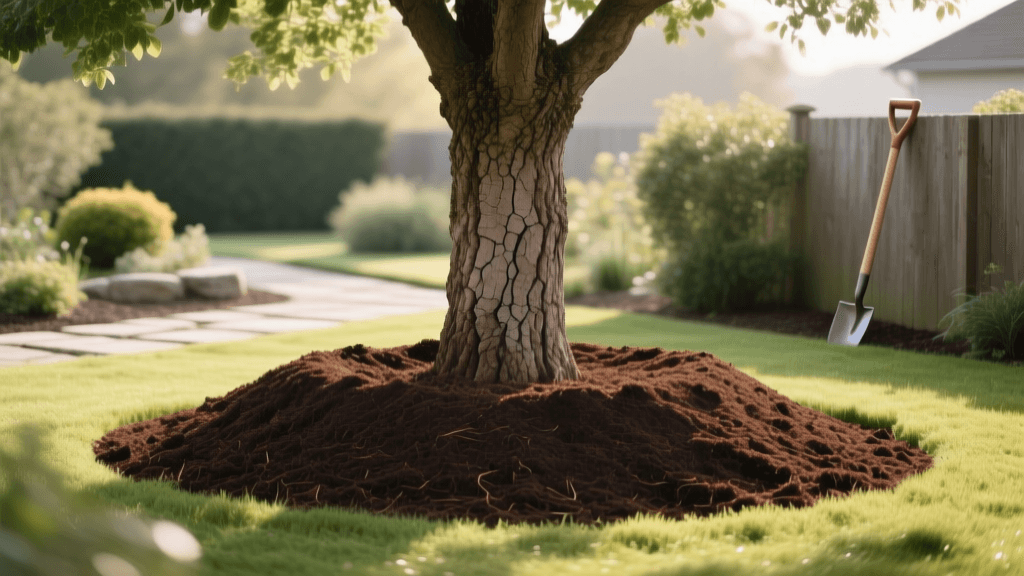
Mulching is equally vital, but it must be done correctly. Apply a 2 to 4-inch layer of organic mulch, such as shredded hardwood bark or pine needles, in a wide ring around the tree. This retains soil moisture, regulates temperature, and suppresses competing weeds. However, you must avoid 'volcano mulching.' Keep the mulch at least 3 inches away from the actual trunk of the tree to prevent bark rot, rodent damage, and fungal diseases. Think of the mulch ring as a donut, not a volcano.
Pruning, Fertilizing, and Troubleshooting
Red maples generally require minimal pruning when young. Limit your pruning to late winter or early spring while the tree is fully dormant. Use sterilized, sharp bypass pruning shears to remove any dead, damaged, or crossing branches. Avoid pruning in late spring or summer, as maples are known to 'bleed' sap heavily when cut during their active growing season. While this sap loss rarely harms the tree, it can be messy and attract unwanted pests.
Fertilization is usually unnecessary for the first year after planting. In the second spring, you can apply a slow-release, balanced granular fertilizer (such as a 10-10-10 NPK ratio) or a specialized tree and shrub fertilizer spikes. Apply the fertilizer at the drip line (the outer edge of the tree's canopy) rather than directly against the trunk, following the package instructions for the exact dosage based on your tree's trunk diameter.
Keep an eye out for common pests like aphids, scale insects, and leafhoppers. If you notice sticky 'honeydew' on the leaves or distorted foliage, an application of horticultural oil or Neem oil (an organic, beginner-friendly pesticide available for under $15) applied in the early morning or late evening can effectively manage the infestation without harming beneficial pollinators.
Common Beginner Mistakes to Avoid
Even with the best intentions, novice gardeners often make a few critical errors when establishing shade trees. Avoid these pitfalls to ensure your red maple thrives for decades:
- Planting Too Deep: Burying the root flare suffocates the root system and invites trunk-rotting fungi. Always err on the side of planting slightly too high rather than too deep.
- Staking the Tree Unnecessarily: Unless you live in an extremely windy area or planted a top-heavy B&B tree on a slope, avoid staking. Trees need to sway in the breeze to develop strong, tapering trunks and robust root anchorage.
- Using Weed Whackers Near the Trunk: String trimmers can easily slice through the thin bark of a young maple, girdling the tree and cutting off its nutrient supply. Maintain a grass-free mulch ring to keep trimmers at a safe distance.
Expert Insights on Red Maple Health
To further emphasize the importance of proper planting depth and root flare identification, we look to the research provided by leading horticultural institutions. According to the University of Minnesota Extension, one of the most frequent causes of landscape tree failure is improper planting depth.
'A common mistake is planting trees too deep. The root flare should be visible at the soil surface. If the tree is planted too deep, roots may grow up and girdle the trunk, eventually strangling the tree. Furthermore, deep planting restricts oxygen to the root zone, leading to slow growth and increased susceptibility to disease and environmental stress.'
— University of Minnesota Extension, 'Planting and Transplanting Trees and Shrubs'
By following these expert guidelines and taking the time to properly site, plant, and water your red maple, you will be rewarded with a magnificent, resilient tree that provides cooling summer shade and spectacular autumn color for generations to come. Remember that tree care is a marathon, not a sprint; consistent, attentive care during the first two years will set the foundation for a lifetime of vigorous growth.