Lawn Care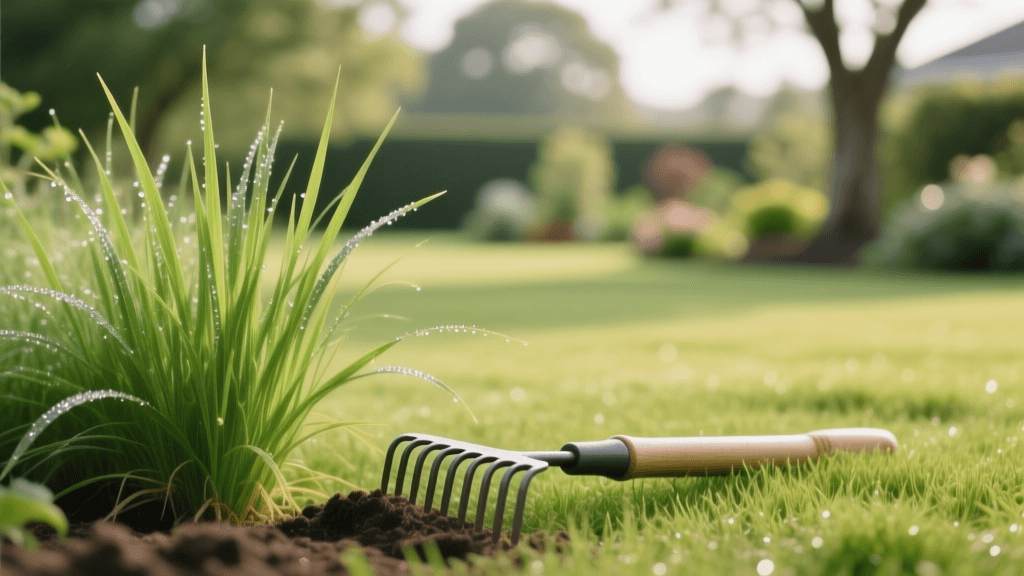
How to Plant Tall Fescue Grass: A Beginner's Guide
Introduction to Tall Fescue Grass
If you are looking for a durable, adaptable, and lush lawn, tall fescue (Festuca arundinacea) is an outstanding choice for beginners and seasoned landscapers alike. As a cool-season grass, tall fescue thrives in the transition zone of the United States, bridging the gap between northern cold-hardy grasses and southern heat-tolerant varieties. Unlike Kentucky bluegrass, which spreads via rhizomes, tall fescue is a bunchgrass. This means it grows in clumps and relies heavily on proper seeding and overseeding to maintain a thick, uniform carpet.
For beginners, tall fescue is highly forgiving. It boasts a deep root system that can reach up to three feet into the soil, granting it exceptional drought tolerance and resilience against heavy foot traffic. Whether you are establishing a brand-new lawn or overseeding a patchy existing one, this comprehensive guide will walk you through the exact steps, measurements, and schedules needed to grow a vibrant tall fescue lawn.
Climate and Soil Requirements
Before purchasing seed, it is crucial to understand the environment tall fescue prefers. This grass performs best in USDA Hardiness Zones 4 through 7, though modern turf-type and dwarf cultivars can survive in Zone 8 with adequate summer irrigation. It requires a minimum of four to six hours of direct sunlight daily, making it one of the most shade-tolerant cool-season grasses available.
Soil composition plays a massive role in your success. Tall fescue prefers well-draining loamy soils with a pH ranging from 6.0 to 7.0. If your soil is too acidic (below 6.0), you will need to apply pelletized limestone. If it is too alkaline (above 7.0), elemental sulfur is required. Conducting a soil test through your local university extension office is the most accurate way to determine your baseline pH and nutrient deficiencies before planting.
Best Time to Plant Tall Fescue
Timing is everything when growing cool-season grasses. The absolute best time to plant tall fescue seed is in the early fall, typically between late August and mid-October, depending on your region. During this window, soil temperatures are still warm (around 65°F to 75°F), which promotes rapid seed germination, while the cooler autumn air reduces heat stress and weed competition.
Spring planting is a distant second choice. If you must plant in the spring, wait until the danger of frost has passed and soil temperatures reach at least 55°F. Keep in mind that spring-planted fescue will have a shallow root system and will struggle to survive the intense heat and drought of its first summer without rigorous, costly irrigation.
Step-by-Step Guide to Planting Tall Fescue
Step 1: Site Preparation and Tilling
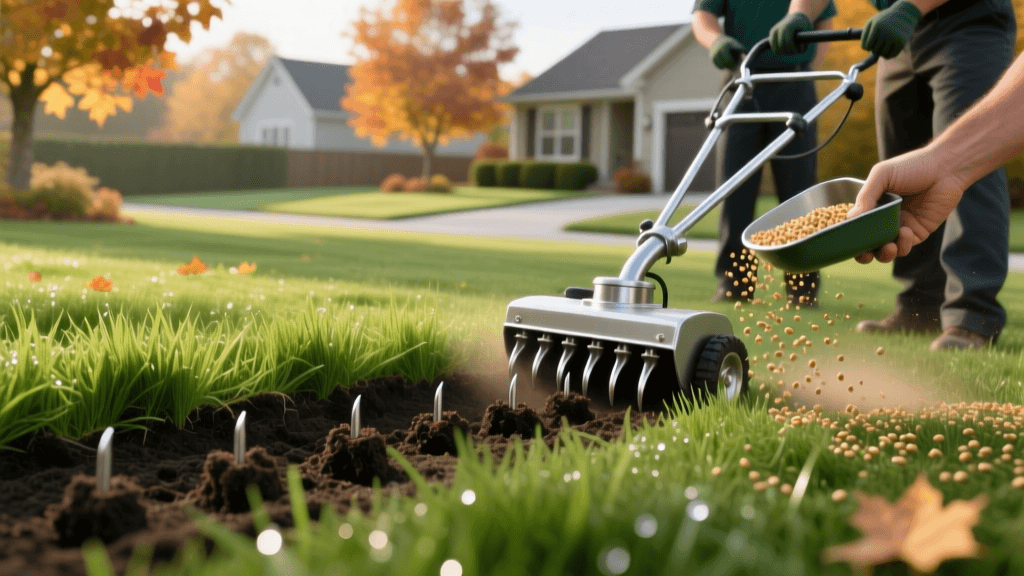
Proper seed-to-soil contact is the golden rule of germination. Start by clearing the area of debris, rocks, and existing weeds. If you are starting from bare dirt, use a rear-tine tiller to loosen the top four to six inches of soil. For existing lawns that are being overseeded, rent a core aerator to pull half-inch plugs of soil, which alleviates compaction and creates perfect pockets for new seeds.
Step 2: Selecting the Right Seed and Fertilizer
Do not buy cheap, generic pasture fescue (like Kentucky 31), as it grows too tall and clumpy for a residential lawn. Instead, invest in a high-quality 'Turf-Type' or 'Dwarf' tall fescue blend. Blends containing three or more cultivars offer better disease resistance and adaptability. Expect to pay between $0.15 and $0.25 per square foot for premium seed.
For new lawns, apply a starter fertilizer high in phosphorus to encourage root development. A product like Scotts Turf Builder Starter Food (24-25-4) is ideal. Apply it at a rate of 3.5 pounds per 1,000 square feet on the same day you seed.
Step 3: Seeding and Raking
Use a broadcast spreader to apply the seed evenly. For a brand-new lawn, the seeding rate is 8 to 10 pounds of seed per 1,000 square feet. For overseeding an existing thin lawn, reduce the rate to 4 to 5 pounds per 1,000 square feet. After spreading, lightly rake the area with a leaf rake to cover the seeds with no more than one-quarter inch of soil. Finally, use a lawn roller to press the seeds firmly into the soil bed.
Step 4: Watering for Germination
Tall fescue seeds must remain consistently moist to germinate. Water the seeded area lightly two to three times a day for the first 14 to 21 days. Once the grass seedlings reach a height of two inches, gradually reduce the frequency of watering but increase the duration. Transition to deep, infrequent watering (about 1 inch per week) to force the roots to grow deep into the soil profile.
Seasonal Maintenance Schedule
Maintaining a tall fescue lawn requires adapting your routine to the changing seasons. Below is a structured maintenance chart designed specifically for beginners to keep their turf healthy year-round.
| Season | Mowing Height | Watering Needs | Fertilization | Key Tasks |
|---|---|---|---|---|
| Spring | 2.5 to 3.0 inches | 1 inch per week | Light application in late spring | Pre-emergent weed control, patch repair |
| Summer | 3.0 to 4.0 inches | 1 to 1.5 inches per week | None (avoid burning the turf) | Monitor for brown patch fungus, grub control |
| Fall | 2.5 to 3.0 inches | 1 inch per week | Heavy application (early and late fall) | Core aeration, overseeding, winterizer fertilizer |
| Winter | N/A (dormant) | Natural precipitation | None | Keep off frozen grass, service mower blades |
Mowing and Fertilization Rules for Success
Mowing tall fescue incorrectly is the fastest way to invite weeds and disease. Never remove more than one-third of the grass blade in a single mowing session. During the heat of summer, raise your mower deck to 3.5 or 4 inches. Taller grass shades the soil, conserving moisture and preventing crabgrass seeds from germinating. Always keep your mower blades sharp; dull blades tear the grass, leaving ragged tips that turn brown and invite fungal pathogens.
Fertilization should be heavily skewed toward the fall. Tall fescue stores carbohydrates in its roots during autumn to survive the winter and fuel spring growth. Apply a high-nitrogen winterizer fertilizer in late October or November. Avoid heavy nitrogen applications in May and June, as excessive spring growth leads to shallow roots and severe summer drought stress.
Common Problems: Weeds and Brown Patch Disease
Because tall fescue is a bunchgrass, bare spots can quickly be invaded by broadleaf weeds and crabgrass. Apply a pre-emergent herbicide like Prodiamine in early spring when soil temperatures reach 55°F to stop crabgrass before it sprouts. For broadleaf weeds like dandelion and clover, use a selective post-emergent herbicide containing 2,4-D and Dicamba.
The most common disease affecting tall fescue is Brown Patch (Rhizoctonia solani), a fungal infection that thrives in hot, humid weather when nighttime temperatures stay above 68°F. It appears as circular, brown, sunken patches on the lawn. To prevent Brown Patch, avoid watering in the evening, do not over-apply nitrogen in the summer, and apply a preventive fungicide like Azoxystrobin in early June if your region is prone to high humidity.
Expert Advice and Authoritative Insights
When dealing with cool-season grasses, relying on university-backed research is paramount for long-term success. Turfgrass specialists consistently emphasize the importance of fall renovations over spring planting.
According to the Penn State Extension, 'Late summer to early fall is the best time to seed cool-season turfgrasses. The warm soil speeds up germination, while the cool fall air promotes strong root development before the stress of the following summer.' They also note that turf-type tall fescue requires approximately 2 to 4 pounds of nitrogen per 1,000 square feet annually, with the majority applied during the autumn months to ensure winter survival and spring vigor.
By following these expert-backed timelines and adhering to the specific seeding rates and maintenance schedules outlined above, even a first-time homeowner can cultivate a thick, resilient, and beautiful tall fescue lawn that will withstand the tests of weather, pets, and heavy foot traffic for years to come.