Tree Care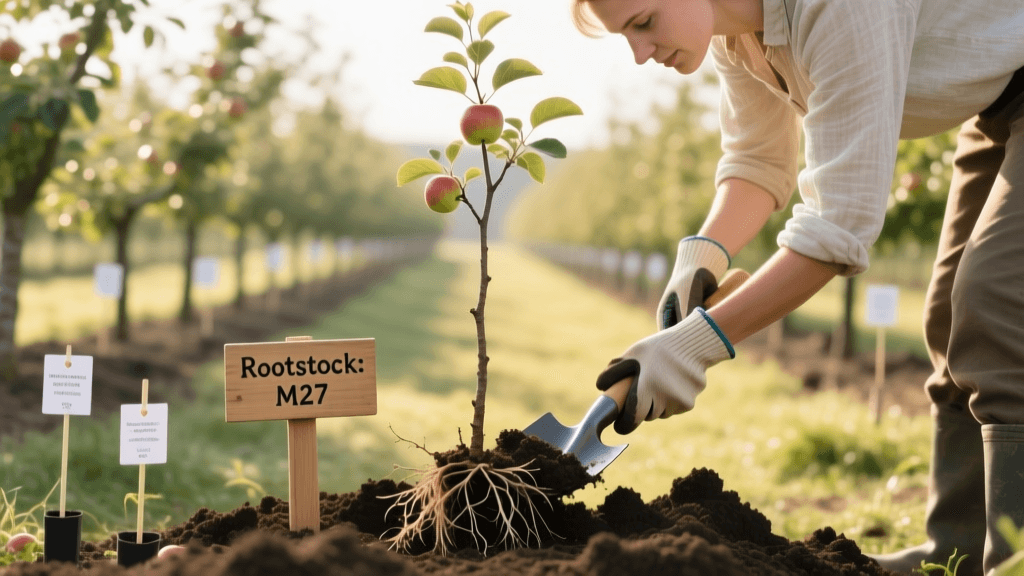
Beginner's Guide to Planting Apple Trees: Step-by-Step
Why Grow Your Own Apple Trees?
Planting an apple tree (Malus domestica) is one of the most rewarding long-term investments you can make in your home landscape. Not only do apple trees provide beautiful spring blossoms and welcome summer shade, but they also yield crisp, delicious fruit that far surpasses anything you can find in a grocery store. For beginners, the prospect of growing fruit trees can seem intimidating, requiring knowledge of soil pH, pruning techniques, and pest management. However, with the right foundational knowledge and a step-by-step approach, anyone can successfully cultivate a thriving apple tree.
This comprehensive, beginner-friendly guide will walk you through everything you need to know about selecting, planting, and caring for your first apple tree. We will cover rootstock selection, precise planting measurements, first-year watering schedules, and organic pest control strategies to ensure your tree establishes a robust root system and produces fruit for decades to come.
Understanding Apple Tree Rootstocks
Unlike many ornamental trees, apple trees are rarely grown from seed. Instead, they are grafted onto specific rootstocks. The rootstock determines the mature size of the tree, its disease resistance, its cold hardiness, and how quickly it will bear fruit. Choosing the right rootstock is the most critical decision you will make as a beginner, as it dictates the spatial requirements of your yard.
Below is a comparison chart of the three primary rootstock categories to help you choose the best fit for your landscape:
| Rootstock Type | Mature Height | Spacing Required | Years to First Fruit | Best For |
|---|---|---|---|---|
| Dwarf (e.g., M.9, Budagovsky 9) | 8-10 feet | 8-10 feet | 2-3 years | Small yards, container growing, easy harvesting |
| Semi-Dwarf (e.g., MM.106, M.7) | 12-15 feet | 12-15 feet | 3-4 years | Average suburban lawns, balance of yield and size |
| Standard (Seedling) | 18-25+ feet | 18-25 feet | 5-7 years | Large properties, orchards, dual-purpose shade/fruit |
For most home gardeners, semi-dwarf rootstocks offer the perfect balance. They produce a substantial harvest while remaining small enough to prune and harvest without needing a tall orchard ladder.
Selecting the Perfect Location
Apple trees are sun-worshippers. To produce high-quality fruit and resist fungal diseases, they require a minimum of 8 hours of direct, unfiltered sunlight per day. Avoid planting near large, established shade trees or on the north side of your home.
Soil drainage is equally important. Apple trees will not tolerate 'wet feet' (waterlogged roots), which quickly leads to root rot and tree death. To test your drainage, dig a hole 12 inches deep and fill it with water. If it takes longer than 4 hours to drain, you will need to plant your tree on a slight mound or berm to elevate the root crown above the poor-draining native soil. The ideal soil pH for apple trees ranges between 6.0 and 6.8.
Step-by-Step Planting Instructions
Timing is everything. The best time to plant bare-root apple trees is in early spring, just as the ground thaws but before the buds break. Container-grown trees can be planted in spring or early fall, provided they are in the ground at least six weeks before the first hard freeze.
Step 1: Digging the Hole
Dig a hole that is twice as wide as the root ball or root spread, but no deeper than the root system itself. The goal is to provide loose soil for the lateral roots to expand into, while ensuring the tree sits on firm, undisturbed soil at the bottom so it does not sink over time.
Step 2: Inspecting and Prepping the Roots
If you are planting a bare-root tree, soak the roots in a bucket of water for 2 to 4 hours before planting to rehydrate them. Prune away any broken, circling, or dead roots with sterilized bypass pruners. For container trees, gently tease out the outer roots to prevent them from girdling the trunk in the future.
Step 3: Locating the Graft Union
Every grafted apple tree has a visible bump or crook near the base of the trunk called the graft union. This is where the desired apple variety (scion) was attached to the rootstock.
According to the University of Minnesota Extension, 'Planting the graft union below the soil line is a critical error. If the scion wood develops its own root system, the tree will lose its dwarfing characteristics and revert to a standard-sized tree, while also becoming highly susceptible to soil-borne diseases.'
Ensure the graft union sits 2 to 3 inches above the final soil grade.
Step 4: Backfilling
Fill the hole with the native soil you removed. Avoid the temptation to amend the backfill heavily with compost or potting soil. Creating a 'bathtub effect' of rich soil surrounded by dense native clay encourages roots to stay in the hole rather than venturing outward. Water the soil deeply as you backfill to eliminate air pockets.
First-Year Tree Care Schedule
The first year is all about root establishment, not fruit production. In fact, you should pinch off any blossoms that appear in the first year to force the tree to direct its energy into root and branch development.
Watering Requirements
Young apple trees require consistent moisture. Provide 5 to 10 gallons of water per week during the growing season, depending on rainfall and soil type. Use a soaker hose or let a garden hose trickle slowly at the base for 30 minutes to ensure deep soil penetration. Shallow, frequent watering encourages weak surface roots.
The 'Donut' Mulching Method
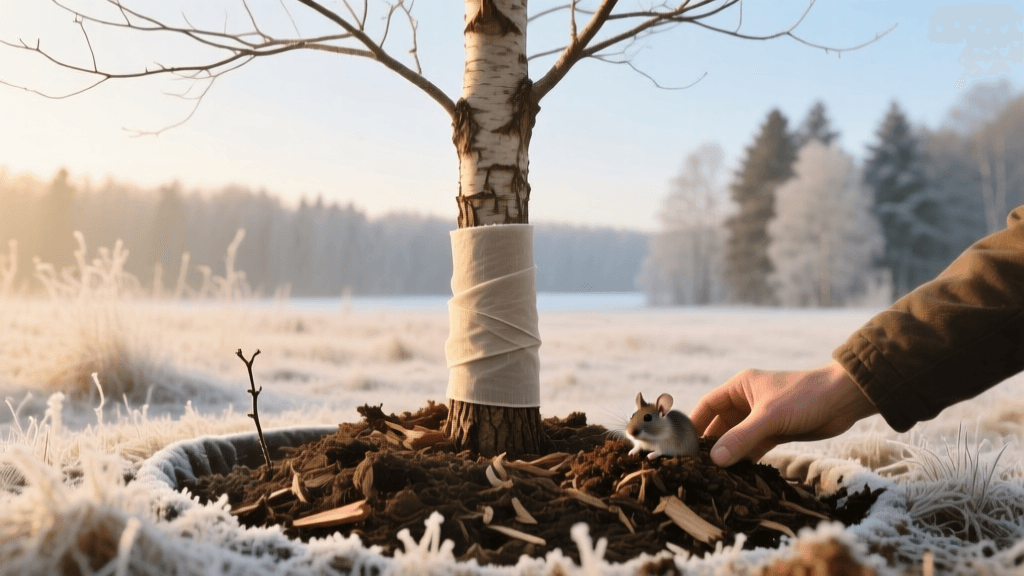
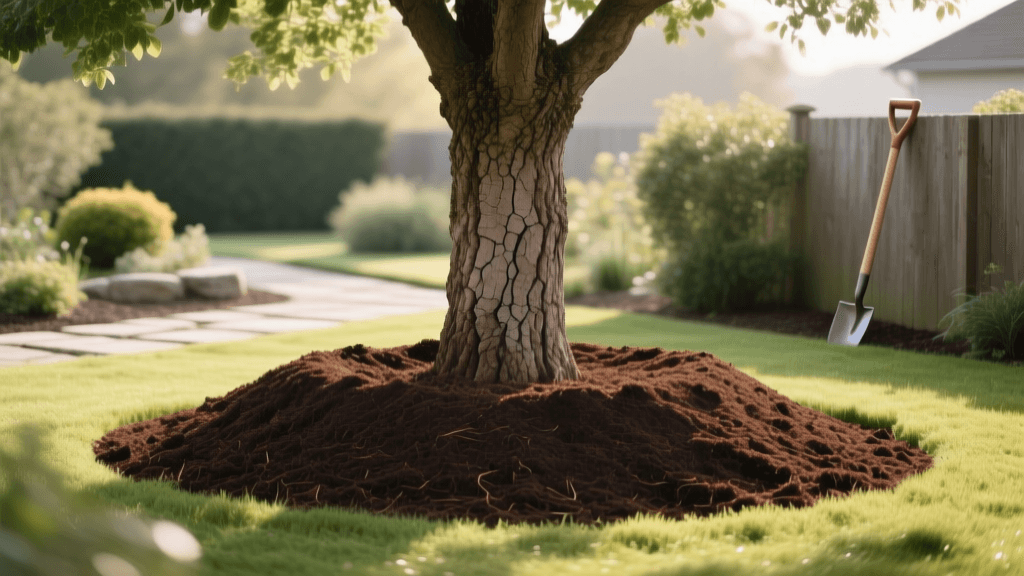
Mulch is essential for retaining moisture and suppressing weeds, but improper mulching kills thousands of trees annually. Apply a 2 to 3-inch layer of arborist wood chips or shredded bark in a 3-foot radius around the tree. Crucially, keep the mulch 3 inches away from the trunk, creating a 'donut' shape. Piling mulch against the bark (often called a mulch volcano) traps moisture, inviting fungal cankers and rodent damage.
Fertilizing
Do not fertilize your apple tree at the time of planting, as this can burn tender new roots. Wait until the tree has been in the ground for a full year. In the second spring, apply an organic, slow-release fertilizer like Espoma Tree-tone (6-2-3 NPK) according to the package directions, broadcasting it evenly under the drip line.
Pruning for a Strong Structure
Pruning a newly planted apple tree sets the stage for its lifelong structure. For beginners, the Central Leader System is the most straightforward and effective method.
- Identify the Leader: Select the strongest, most upright central branch to be your main trunk (the leader).
- Remove Competitors: Prune away any other branches that are growing vertically and competing with the leader.
- Heading Cuts: If your bare-root tree is a simple 'whip' (no side branches), cut the top of the leader at a 45-degree angle, about 30 to 36 inches above the ground. This forces the tree to push out lateral side branches (scaffold limbs) in the spring.
- Scaffold Selection: In the following years, select 3 to 4 strong lateral branches spaced evenly around the trunk and vertically separated by at least 6 inches to form your main fruit-bearing tiers.
Common Pests and Diseases to Watch
Apple trees are magnets for pests, but proactive care can keep them at bay without resorting to harsh synthetic chemicals.
- Aphids: These tiny sap-sucking insects curl new leaves. Control them by introducing beneficial insects like ladybugs, or by spraying a strong jet of water from your hose to knock them off.
- Apple Maggots & Codling Moths: These pests cause wormy fruit. Hang red sphere sticky traps in the canopy in early summer to monitor and trap apple maggot flies. For codling moths, use pheromone traps to disrupt mating cycles.
- Fungal Diseases (Apple Scab, Powdery Mildew): Prevention is key. Rake up and destroy all fallen leaves in autumn to remove overwintering fungal spores. In late winter, just before the buds swell and open, apply a dormant horticultural oil (such as Bonide All Seasons Horticultural Oil) to smother overwintering insect eggs and fungal spores.
Estimated Costs for Beginners
Starting your home orchard is surprisingly affordable. Here is a realistic cost breakdown for planting a single semi-dwarf apple tree:
- Semi-Dwarf Apple Tree (Bare-root): $35 - $55
- Organic Compost/Topsoil (for mounding if needed): $10
- Arborist Wood Chip Mulch (2 cubic foot bag): $6
- Wooden Tree Stake and Rubber Tree Ties: $12
- Dormant Horticultural Oil Spray: $15
- Total Estimated Initial Investment: $78 - $98
With proper site selection, careful attention to the graft union during planting, and a disciplined first-year watering schedule, your new apple tree will establish a vigorous root system. Within three to four years, you will be rewarded with the unparalleled taste of homegrown apples, making every ounce of effort entirely worthwhile.