Tree Care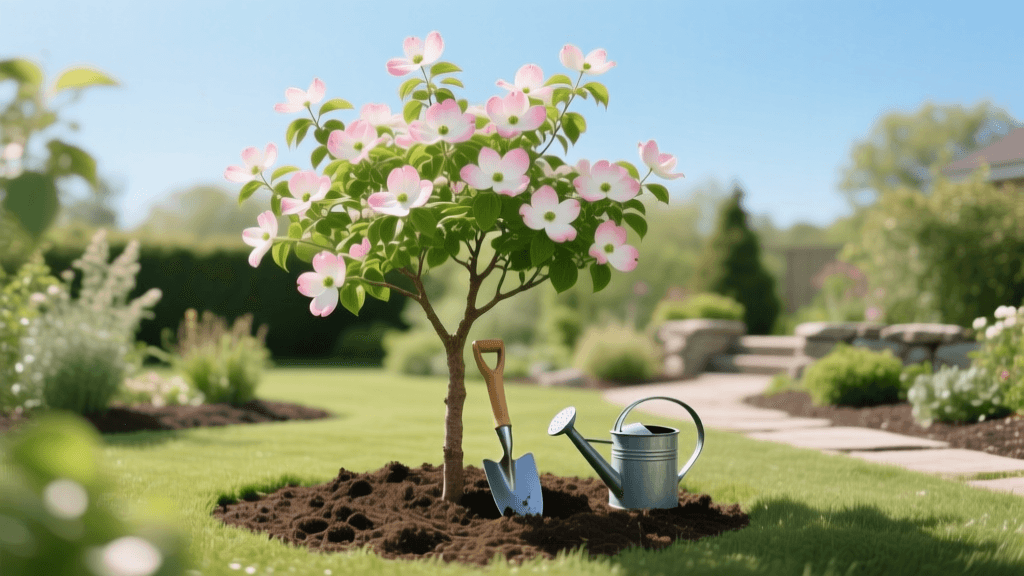
Beginner's Guide to Planting and Growing Dogwood Trees
Why Choose a Dogwood Tree for Your Yard?
Welcome to the rewarding world of tree planting. If you are a beginner looking to add stunning seasonal interest to your landscape, few trees rival the elegance of the dogwood. Known for their spectacular spring blooms, attractive layered branching, and vibrant autumn foliage, dogwoods (Cornus species) are a staple in North American gardens. However, their reputation for being somewhat finicky often deters novice gardeners. The truth is, with the right site selection and planting techniques, dogwoods are incredibly resilient and easy to grow.
According to the Clemson University Home & Garden Information Center, dogwoods thrive when their specific environmental needs are met from day one. This comprehensive, beginner-friendly guide will walk you through everything you need to know to successfully plant, grow, and maintain a healthy dogwood tree in your yard.
Comparing Popular Dogwood Varieties
Before heading to the nursery, it is crucial to select the right variety for your climate and yard conditions. While the native Flowering Dogwood is a classic, other varieties offer unique benefits, including better disease resistance and later bloom times. Below is a comparison chart to help you choose the best dogwood for your landscape.
| Variety | Scientific Name | Bloom Time | Sun Tolerance | Mature Size |
|---|---|---|---|---|
| Flowering Dogwood | Cornus florida | Early Spring | Partial Shade | 15-30 ft tall & wide |
| Kousa Dogwood | Cornus kousa | Late Spring | Full Sun to Part Shade | 15-25 ft tall & wide |
| Cornelian Cherry | Cornus mas | Very Early Spring | Full Sun to Part Shade | 15-20 ft tall, 20 ft wide |
Pro Tip: If you live in an area prone to dogwood anthracnose or powdery mildew, the Kousa Dogwood is highly recommended for its superior disease resistance.
Tools and Materials You Will Need
Proper preparation makes the planting process seamless. Budget approximately $100 to $250 for the tree itself (depending on size and whether it is balled-and-burlapped or container-grown), plus the following supplies:
- Round-point shovel: For digging the planting hole ($30-$45).
- Garden hose with a soaker attachment: For deep, slow watering ($20-$35).
- Hardwood or pine bark mulch: 3 to 4 bags for proper coverage ($4-$6 per bag).
- Soil test kit: To determine pH and nutrient levels ($15-$30).
- Bypass pruning shears: For clean cuts on roots and branches ($25-$50).
- Acid-loving plant fertilizer: Such as Espoma Holly-tone, for year-two feeding ($10-$15).
Preparing for Planting: Site Selection and Soil
Dogwoods are naturally understory trees, meaning in the wild, they grow beneath the canopy of larger forest trees. Consequently, they prefer partial shade, specifically morning sun with protection from the harsh, scorching afternoon rays. Planting a dogwood in full, unfiltered afternoon sun is a common beginner mistake that leads to scorched leaves and stunted growth.
Soil quality is equally important. Dogwoods require well-draining, slightly acidic soil with a pH between 5.5 and 6.5. Heavy clay soils that retain water will quickly lead to root rot. If your yard has dense clay, you must amend the planting area with organic compost to improve drainage. The Penn State Extension strongly advises against planting dogwoods in low-lying areas where water pools after heavy rains.
Step-by-Step Dogwood Planting Guide
The ideal time to plant a dogwood is in early spring after the last frost or in early fall, allowing the root system to establish before extreme temperatures hit. Follow these precise steps for a successful planting:
Step 1: Dig the Perfect Hole
Dig a hole that is two to three times wider than the root ball, but no deeper than the root ball itself. The goal is to provide loose soil for the roots to spread horizontally. Crucially, the root flare (the point where the trunk widens and meets the roots) must sit 1 to 2 inches above the surrounding soil grade. Burying the trunk flare is the number one cause of tree death in residential landscapes.
Step 2: Prepare the Root Ball
If your tree is container-grown, gently tease out any circling roots at the bottom and sides of the root ball using your hands or a sterilized knife. If it is balled-and-burlapped, place it in the hole, then cut and remove all wire baskets, twine, and synthetic burlap. Natural burlap can be left in the hole but should be pulled away from the top of the root ball.
Step 3: Backfill and Water
Backfill the hole with the native soil you removed. Do not add heavy fertilizers or rich potting soil to the hole, as this can create a 'container effect' where roots refuse to expand into the native soil. As you backfill, gently tamp the soil to remove large air pockets. Immediately water the tree deeply with 10 to 15 gallons of water to settle the soil around the roots.
The Arbor Day Foundation emphasizes that proper planting depth is non-negotiable. Always err on the side of planting slightly too high rather than too deep.
The Golden Rules of Watering and Mulching
Establishing a proper watering and mulching routine is critical during the tree's first two years.
Watering Schedule
Newly planted dogwoods need about 1 to 2 inches of water per week. During the hot summer months, use a soaker hose placed at the drip line (the outer edge of the tree's canopy) and let it run on a slow drip for 2 to 3 hours. This encourages deep root growth. Avoid overhead watering, as wet foliage promotes fungal diseases.
The 'Donut' Mulching Method
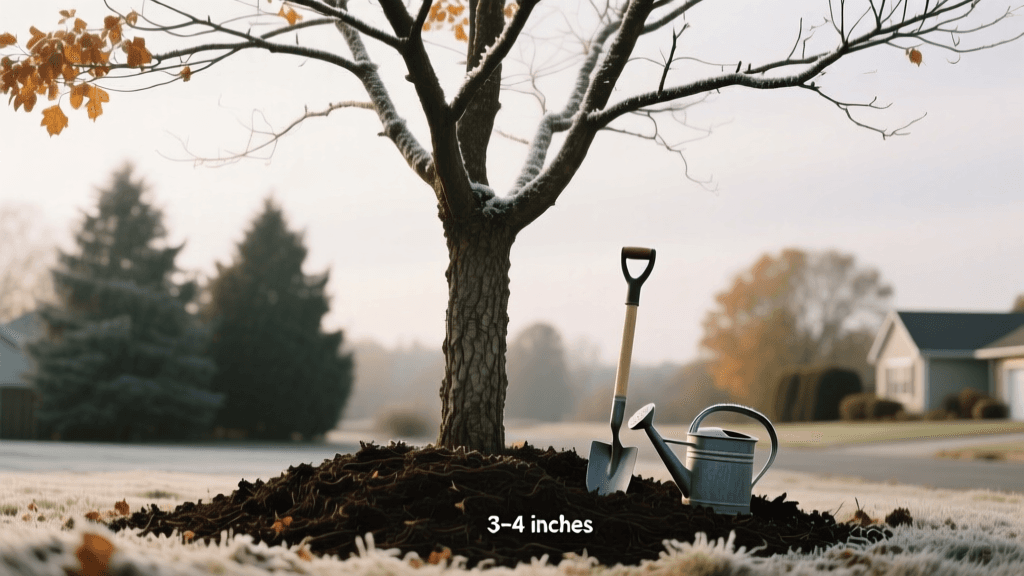
Mulch helps retain soil moisture, regulates soil temperature, and suppresses weeds. However, you must avoid the dreaded 'mulch volcano.' Apply a 2 to 3-inch layer of hardwood or pine bark mulch in a wide ring around the tree, extending out to the drip line if possible. Keep the mulch at least 3 inches away from the trunk itself, creating a donut shape. Piling mulch against the trunk traps moisture, invites rot, and provides a hiding place for bark-gnawing rodents.
Fertilizing and Pruning for Long-Term Health
Fertilizing: Do not fertilize your dogwood at the time of planting. The tree needs to focus on root establishment, not top growth. Wait until the second spring to apply a balanced, slow-release fertilizer formulated for acid-loving plants (like Holly-tone). Apply it at the drip line, following the package instructions based on the trunk diameter.
Pruning: Dogwoods require minimal pruning. The best time to prune is in late winter or early spring while the tree is dormant. Use sharp bypass shears to remove any dead, diseased, or crossing branches. Avoid heavy pruning, as dogwoods bleed sap heavily if cut in late winter/early spring, which can stress the tree. Always sterilize your tools with rubbing alcohol between cuts to prevent the spread of pathogens.
Seasonal Care Schedule
To keep your dogwood thriving year-round, follow this simple seasonal maintenance checklist:
- Spring: Inspect the trunk for signs of borer damage (small holes with sawdust-like frass). Apply a fresh 2-inch layer of mulch and water deeply if spring rains are scarce.
- Summer: Monitor for powdery mildew (a white, dusty coating on leaves). Ensure the tree receives adequate deep watering during droughts. Avoid pruning during this time.
- Fall: Rake up and destroy fallen leaves, especially if the tree has shown signs of fungal issues, to prevent spores from overwintering in the soil.
- Winter: Perform structural pruning while the tree is fully dormant. Protect young trunks from sunscald and rodent damage using a plastic tree guard.
Identifying and Managing Common Pests and Diseases
Even with perfect care, dogwoods can face environmental stressors. Being able to identify issues early is key to saving your tree.
Dogwood Borer
The dogwood borer is a clearwing moth whose larvae tunnel into the trunk, typically near the soil line or at pruning wounds. Symptoms include peeling bark, oozing sap, and dieback of branches. Prevention is the best cure: avoid injuring the trunk with lawnmowers or string trimmers, as the borers target damaged bark.
Anthracnose and Powdery Mildew
Dogwood anthracnose causes tan spots with purple borders on leaves, leading to premature leaf drop and twig dieback. Powdery mildew appears as a white, powdery fungus on the foliage, usually in late summer. To manage these fungal issues, ensure your tree has good air circulation, avoid overhead watering, and rake up infected leaves in the fall. For severe cases, a fungicide containing chlorothalonil or copper can be applied in the spring as leaves emerge.
Conclusion
Growing a dogwood tree is a deeply rewarding experience that pays dividends in seasonal beauty for decades. By respecting the tree's need for partial shade, well-draining acidic soil, and proper planting depth, you set the foundation for a resilient, stunning landscape centerpiece. Grab your shovel, follow this guide, and enjoy the spectacular spring blooms that only a healthy dogwood can provide.